Books for Overcoming Self-Doubt and Trusting Yourself Again
Megan had already written the email three times before sending it. She knew what she wanted to say, but each version raised another question: Was the wording too strong? Would her manager think she was difficult? Should she change her idea after all? By the time she finally sent it, she was more exhausted by second-guessing herself than by the decision itself.
Self-doubt often works this way. It is not always a loud voice telling you that you are incapable. Sometimes it sounds like endless checking, comparing, hesitation, and wondering whether everyone else knows something you do not. Books can be useful here because they give these patterns a name and offer different ways to respond to them.

1. Break the Anxiety Circle by Miles Carter
Break the Anxiety Circle looks at the connection between overthinking, self-doubt, and repetitive thought patterns. Instead of treating every doubtful thought as something that needs to be solved, the book focuses on recognizing when the mind has started looping.
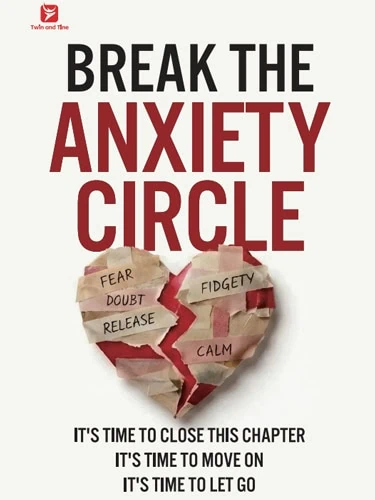
That makes it relevant for people who constantly question decisions, replay conversations, or look for reassurance before trusting themselves. The book also touches on people-pleasing and the fear of being judged, which can make self-doubt even stronger when your confidence depends too heavily on other people’s reactions.
Its practical approach is less about becoming fearless and more about noticing the cycle before it takes over. For someone whose self-doubt shows up through overthinking, that distinction can make the problem feel much more manageable.

Break the Anxiety Circle
Miles CarterA mental reset for people trapped in the overthinking loop. Understand why your mind won’t stop racing — and how to break free from anxiety, people-pleasing, and emotional exhaustion.
2. The Confidence Gap by Russ Harris
The Confidence Gap takes a different approach to self-doubt by questioning the idea that you need to feel confident before doing something difficult. Russ Harris draws from Acceptance and Commitment Therapy to explain how waiting for fear or uncertainty to disappear can keep people stuck.
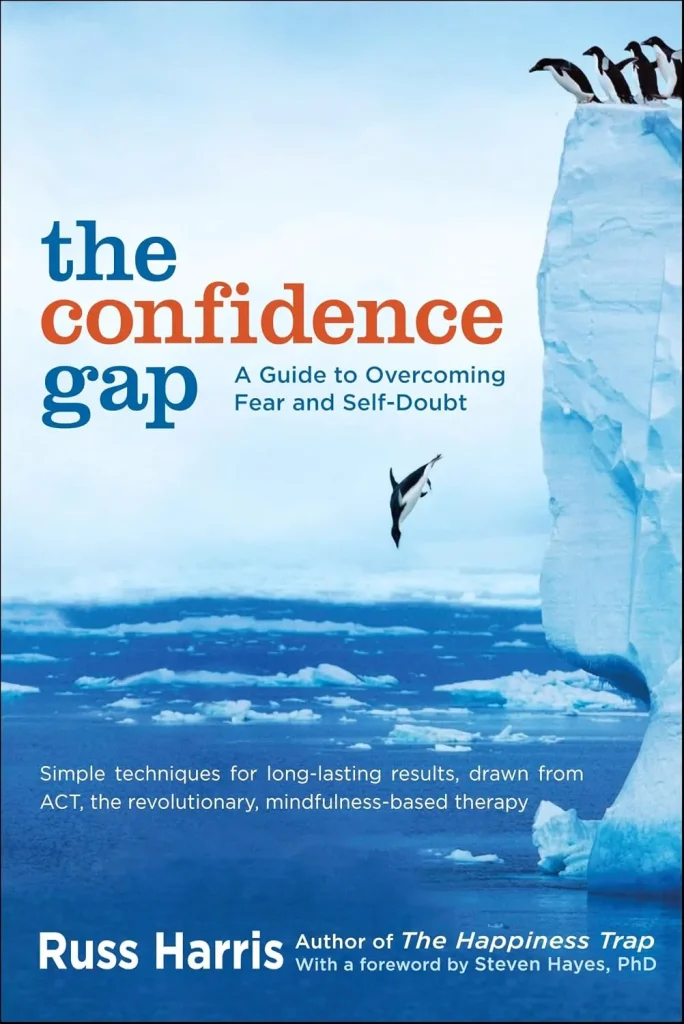
The book is particularly useful for readers who avoid action because they do not feel ready enough. Rather than making confidence the starting point, it encourages people to act according to their values while making room for uncomfortable thoughts and feelings.
That can be helpful when self-doubt is less about endless analysis and more about hesitation. You may still feel uncertain, but uncertainty no longer has to make every decision for you.
3. The Gifts of Imperfection by Brené Brown
The Gifts of Imperfection explores another common source of self-doubt: the belief that you have to perform perfectly to feel worthy. Brené Brown connects perfectionism, comparison, shame, and the pressure to appear as though everything is under control.
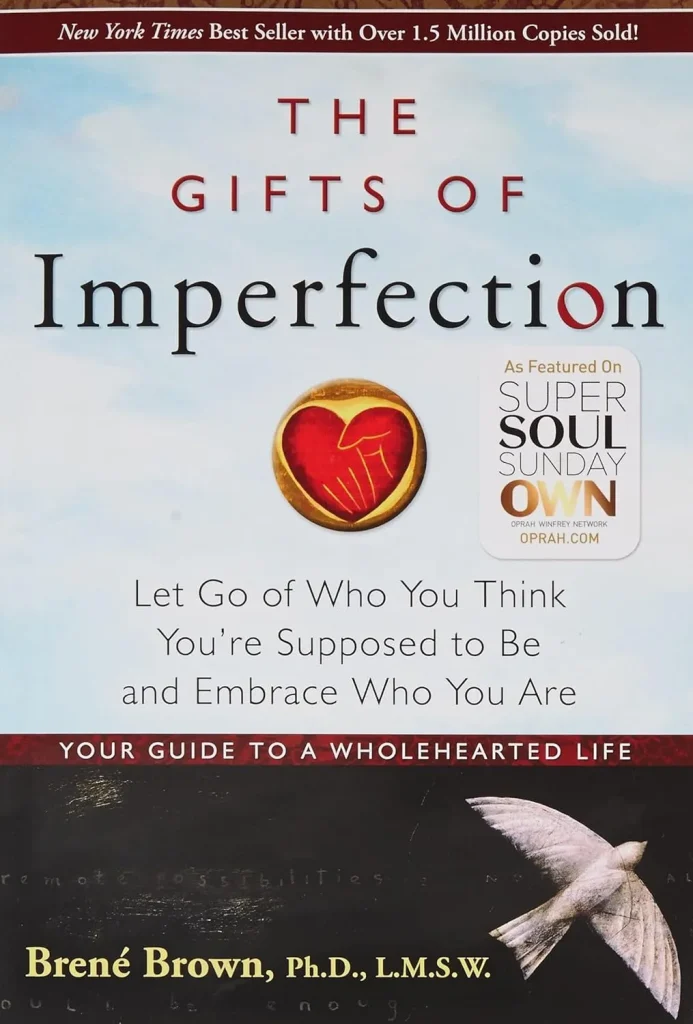
For readers who are constantly measuring themselves against coworkers, friends, family members, or imagined standards, this perspective can be especially useful. The book encourages a healthier relationship with mistakes and imperfections instead of turning every weakness into evidence that something is wrong with you.
Its focus is broader than decision-making, but that is part of its value. Sometimes self-doubt does not disappear because you need better reasoning. It softens when you stop demanding impossible proof that you are good enough before allowing yourself to move forward.
Choosing the Right Book for Your Kind of Self-Doubt
The most useful choice depends on what your self-doubt actually looks like. You might recognize yourself in one of these patterns:
- You keep replaying choices and looking for certainty.
- You avoid action because you do not feel confident enough.
- You compare yourself with other people and feel that you fall short.
- You treat mistakes as proof that you are not capable.
These books approach those patterns from different directions, so the one that fits your experience may depend on where the doubt starts.
Confidence Does Not Have to Come First
Self-doubt can become much smaller when you stop expecting yourself to eliminate every uncertain thought before taking action. The right book can help you understand whether your biggest obstacle is overthinking, fear, perfectionism, or the habit of seeking outside approval.
What matters is not becoming someone who never doubts themselves. It is learning how to make decisions without giving every doubtful thought the final word.
If you found this helpful, these books go deeper into the same themes.



Break the Anxiety Circle
$19.90

From Debt to Wealth
$19.90

