Stress does not always look dramatic. Sometimes it looks like lying in bed while your mind goes through tomorrow’s schedule, replaying something that happened earlier, or thinking about the same problem from five slightly different angles.
You may even be tired enough to know you should stop thinking, yet your brain seems determined to keep going. The more pressure you feel, the harder it becomes to tell whether you are actually solving a problem or simply thinking about it again.
That is where the right book can help. Instead of giving you another generic reminder to “relax,” a good book can help you understand why your mind keeps returning to the same thoughts and what you can do when that pattern starts again.
Start by Figuring Out What Kind of Overthinking You Have
Not all overthinking feels the same.
Sometimes you are trying to solve a problem. Sometimes you are replaying a past interaction. Sometimes you are worrying about what might happen next, even though there is no new information to consider.
The common thread is that your mind has trouble letting the subject rest. You keep returning to it because some part of you believes there is still something to figure out.
That is the pattern worth paying attention to.
Break the Anxiety Circle by Miles Carter
Break the Anxiety Circle by Miles Carter is particularly relevant when overthinking has become a repeating cycle rather than an occasional reaction to stress.
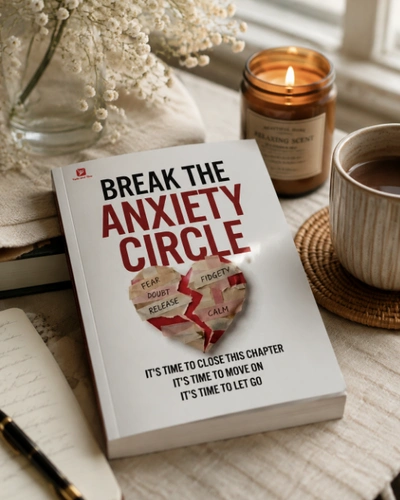
The book looks at how an anxious thought can trigger emotional discomfort and then lead to familiar responses such as checking, analyzing, seeking reassurance, avoiding uncertainty, or mentally replaying the same situation. Those responses can provide a brief sense of relief, but they may also keep your attention attached to the original concern.
This is useful because the topic of your worry can change while the pattern stays the same. Today you may be stressed about work, tomorrow about a relationship, and next week about a decision you have already made. What connects these situations may not be the subject itself, but the way your mind reacts when uncertainty appears.
The book encourages you to examine that cycle instead of treating every new worry as a completely separate problem.
That can change the question you ask yourself. Rather than immediately thinking, “How do I solve this?”, you can begin asking, “What am I doing because I feel uncomfortable about this?”
That difference matters.
Maybe you are searching for more information even though you already know enough. Maybe you are asking someone to reassure you. Maybe you are replaying a conversation because you want certainty about what another person thought.
Once those responses become visible, you have something concrete to work on.
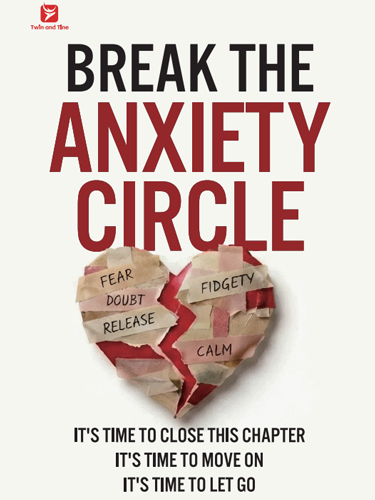
Break the Anxiety Circle
Miles CarterA mental reset for people trapped in the overthinking loop. Understand why your mind won’t stop racing — and how to break free from anxiety, people-pleasing, and emotional exhaustion.
When Stress Turns Into Mental Noise
Stress can make thinking feel faster without making it better.
You may jump between tasks, worry about what you have forgotten, think about what needs to happen next, and still feel as though you are falling behind. The problem is not necessarily a lack of effort. Your attention is simply being pulled in too many directions.
Burnout by Emily Nagoski and Amelia Nagoski looks at stress from a different angle, particularly the effects of prolonged stress and the difficulty of fully recovering from it.
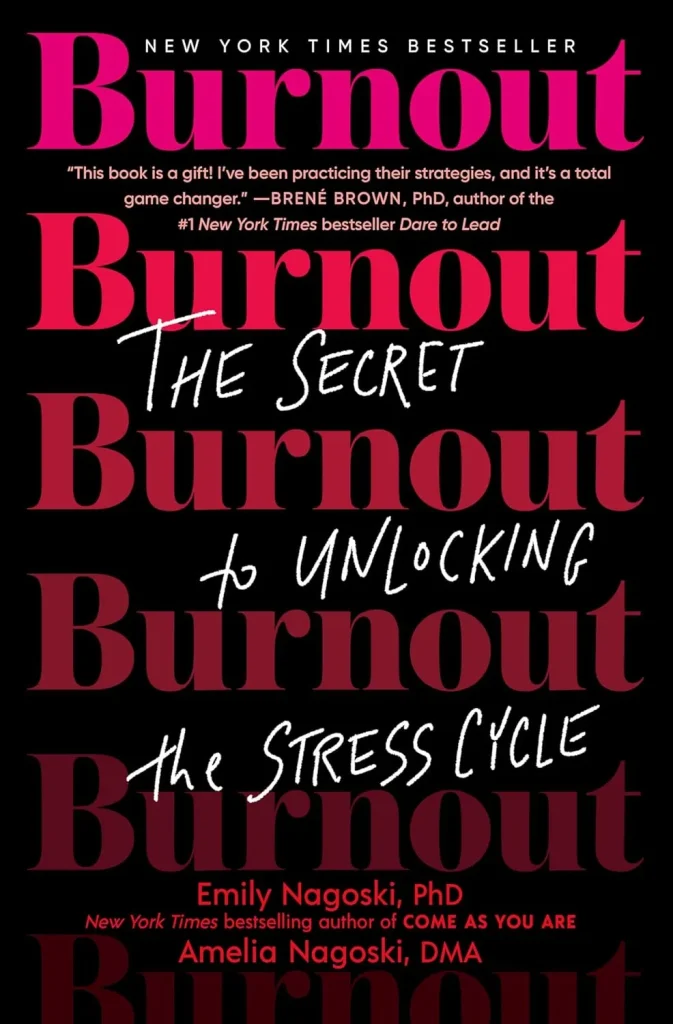
For someone whose overthinking is closely tied to feeling chronically overloaded, this perspective can be useful. It shifts attention from individual thoughts toward the broader experience of carrying stress for too long.
When You Need a Different Relationship With Your Thoughts
Some people are not necessarily overwhelmed by their workload. Their biggest problem is the constant stream of internal commentary.
Chatter by Ethan Kross takes a closer look at inner dialogue and the way self-talk can become unhelpful when you are stressed or emotionally involved.
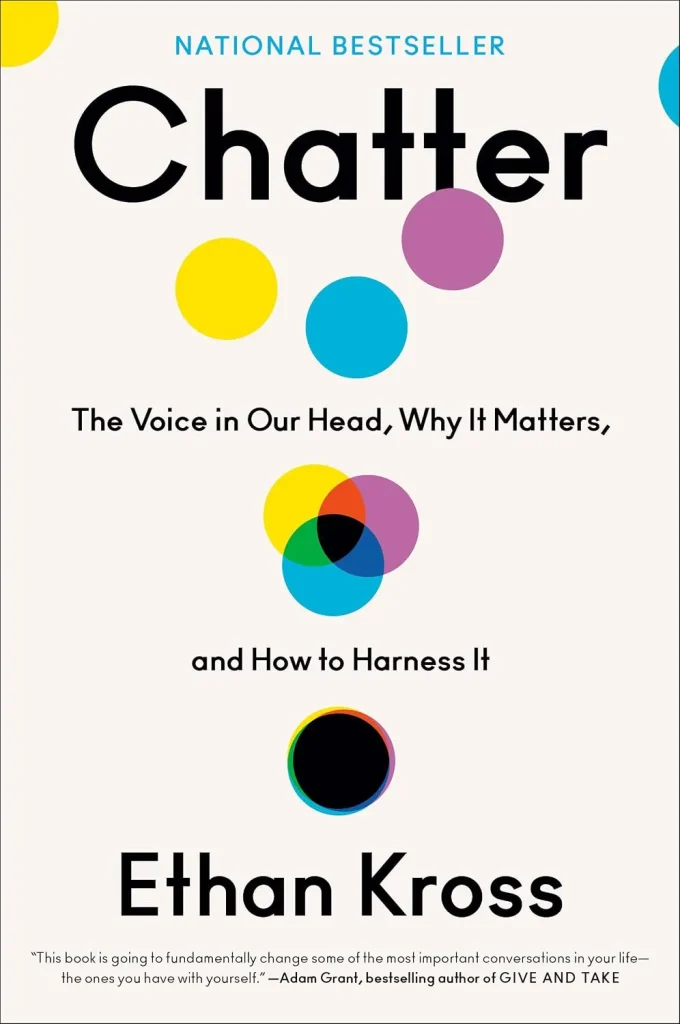
This can be particularly relevant when your mind keeps revisiting conversations, mistakes, and uncomfortable experiences. Rather than trying to silence every thought, the book explores ways to create more distance from the internal voice that keeps pulling you back into the same material.
The Three Books Solve Different Problems
These books are worth separating because they start from different places.
Break the Anxiety Circle looks at the repeating cycle connecting anxious thoughts, emotional discomfort, and habitual responses. Burnout focuses more on prolonged stress and recovery, while Chatter examines the internal conversations that can keep emotional experiences alive.
That means your starting point depends on what your overthinking actually feels like.
If you keep getting pulled into the same anxiety loop, Break the Anxiety Circle is the most direct fit. If you feel exhausted from carrying stress for too long, Burnout may speak more directly to your experience. If your mind is dominated by repetitive inner dialogue, Chatter offers another useful perspective.
A Useful Question When Your Mind Will Not Slow Down
The next time you notice yourself thinking about the same problem again, ask whether anything has changed since the last time you considered it.
If there is new information, a new decision to make, or a clear action you need to take, then thinking may still be useful. But if you are going through the same details again without discovering anything new, you may be caught in repetition rather than problem-solving.
Recognizing that moment can help you stop feeding the thought with more attention.
Why Break the Anxiety Circle Is a Strong Starting Point
The biggest strength of Break the Anxiety Circle is that it gives overthinking a structure. Instead of viewing every stressful thought as a separate issue, you can begin looking for the sequence that keeps appearing underneath different concerns.
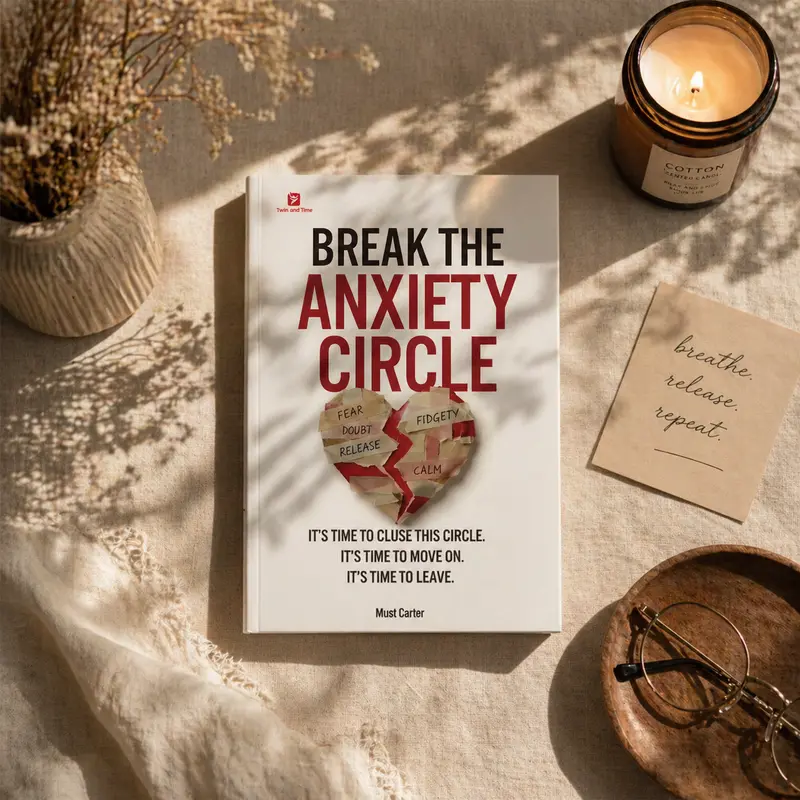
That is especially useful when stress and overthinking seem to follow you everywhere. The specific problem changes, but your response remains familiar, and understanding that response can be the first step toward changing it.
For readers who want to understand not only what they are thinking about but why they keep getting pulled back into the same mental process, the book offers a practical place to start.
Final Thoughts
Stress can make an already busy mind even harder to manage, especially when thinking becomes repetitive instead of productive. The goal is not to stop thinking altogether, but to recognize when more thinking is no longer helping.
For readers searching for books for overthinking and stress, Break the Anxiety Circle by Miles Carter, Burnout, and Chatter offer three different ways to approach the problem. Among them, Break the Anxiety Circle is the strongest choice for understanding recurring patterns that keep turning ordinary worries into prolonged mental overload.