For some people, thinking is not the problem. The challenge is when thoughts continue long after they stop being useful. A simple decision can become a long internal debate, a past conversation can be replayed repeatedly, and a small uncertainty can turn into countless possible scenarios.
People who overthink often do so because they want to make the right choice, avoid mistakes, or better understand situations around them. However, when the mind constantly searches for answers that may not exist, thinking can become exhausting instead of helpful.
This is why many readers look for books for overthinking people. The right book can help explain why these mental patterns happen and provide practical ways to create more distance from repetitive thoughts.
Here are three books that offer different perspectives on overthinking and anxious thinking.
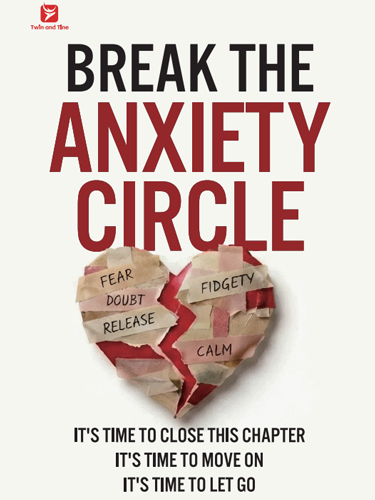
Break the Anxiety Circle by Miles Carter
Break the Anxiety Circle
Miles CarterA mental reset for people trapped in the overthinking loop. Understand why your mind won’t stop racing — and how to break free from anxiety, people-pleasing, and emotional exhaustion.
Best for understanding why thoughts keep repeating
Overthinking is often connected to a larger mental pattern. One concern can lead to another, and the emotional reaction caused by that concern can make the thought feel even more important. Before long, the mind becomes caught in a cycle that feels difficult to escape.
Break the Anxiety Circle by Miles Carter focuses on helping readers recognize these repeating patterns. Instead of treating every worry as a separate issue, the book explores how thoughts, emotions, and reactions influence each other.
The book helps readers understand:
- Why certain worries keep returning
- How anxious thoughts become repetitive habits
- How emotional reactions can strengthen overthinking
- How to develop healthier ways of responding
For people searching for books for overthinking people, this book offers a practical perspective on recognizing the cycle behind mental overload and learning how to step away from it.
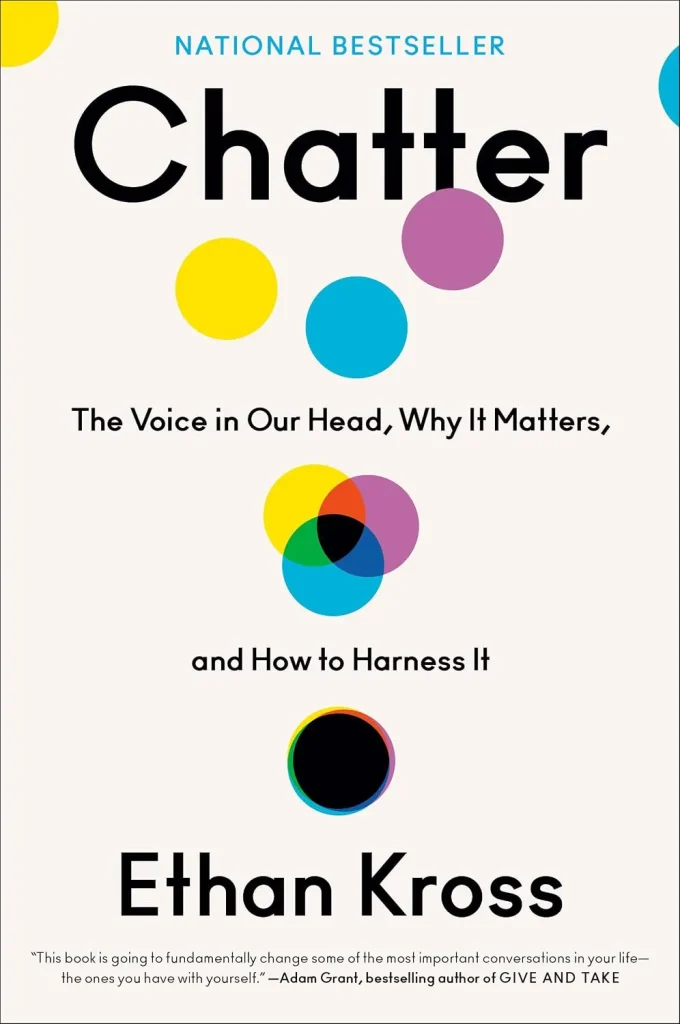
Chatter by Ethan Kross
Best for managing overwhelming inner conversations
Overthinking is not always about future worries. Sometimes it appears as an endless internal conversation about what happened, what someone meant, or what you should have done differently.
Chatter explores the inner voice that can become especially intense during stressful situations. The book explains how people can create more distance from negative self-talk and develop a healthier relationship with their thoughts.
For readers who spend a lot of time analyzing past experiences or criticizing themselves internally, this book provides useful psychological insights into managing mental noise.
The Worry Trick by David A. Carbonell
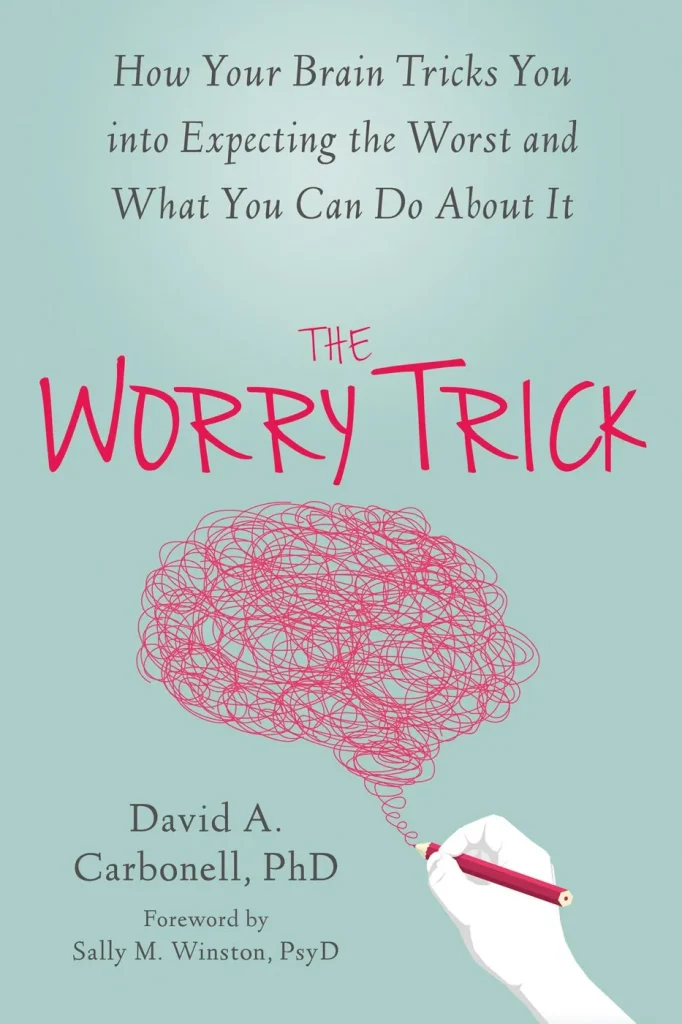
Best for understanding the habit of worrying
Many overthinkers believe that worrying helps them prepare. They may feel that thinking through every possible outcome will prevent problems or make them feel more secure.
The Worry Trick explores why this approach often keeps people stuck. The book explains how worry can become a habit and provides strategies for changing the way people respond to uncertainty.
Its practical approach makes it a helpful choice for readers who want to understand why their minds keep returning to the same concerns.
Why Overthinking Can Feel Impossible to Turn Off
The mind naturally tries to solve problems, predict outcomes, and protect people from potential difficulties. This ability is useful, but it can become overwhelming when the brain continues searching for certainty in situations where certainty is impossible.
A person may analyze a conversation dozens of times without discovering anything new. They may consider every possible outcome of a decision without feeling more confident. This is when thinking starts to become a source of stress rather than a tool for solving problems.
Understanding this difference can help people recognize when they are thinking productively and when they are simply trapped in repetition.
The Goal Is Not to Stop Thinking Completely
Many people who overthink assume the solution is to completely quiet their minds. However, having thoughts is a normal part of being human, and trying to eliminate every difficult thought can create even more frustration.
A healthier goal is learning how to respond differently. Instead of automatically following every worry or analyzing every possibility, people can practice noticing their thoughts and choosing where to place their attention.
Finding the Right Perspective Can Change How You Think
Different books about overthinking focus on different parts of the experience. Some explore anxiety patterns, some focus on self-talk, and others explain the psychology behind worry.
Reading different perspectives can help people better understand their own thinking habits. The most useful ideas are often the ones that can be applied in daily life, whether that means making decisions with less hesitation, letting go of past conversations, or creating more mental space.
Why Break the Anxiety Circle Is Worth Reading
Among these books for overthinking people, Break the Anxiety Circle by Miles Carter focuses on the connection between thoughts, emotions, and repeated mental patterns.
For readers who feel trapped in cycles of worry and over-analysis, the book provides a practical way to understand why these patterns happen and how they can be changed. It is a useful choice for anyone who wants to move from constant mental repetition toward greater clarity and calm.