Parenting can bring out some of our strongest emotions.
A child refuses to listen.
A toddler has a meltdown.
The same request gets repeated again and again.
Even the most loving parents can sometimes reach a breaking point.
After reacting with frustration, many parents wonder:
“Why did I lose my patience?”
“How can I respond differently next time?”
“How can I become the parent I want to be?”
Patience in parenting is not about never feeling frustrated.
It is about learning how to recognize emotions, understand triggers, and choose responses that strengthen the relationship with your child.
The right parenting books can help parents develop more awareness and create a calmer family environment.
The Parent You Aspire to Be by Miles Carter
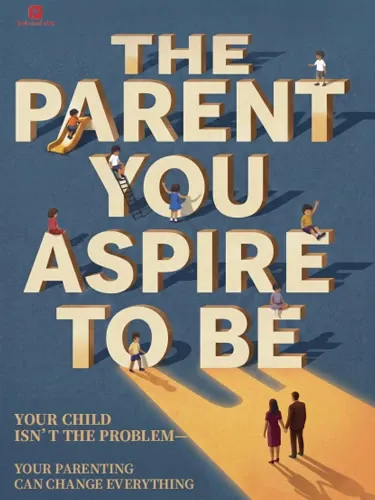
The Parent You Aspire to Be is written for parents who want to become more intentional in their everyday interactions with their children.
The book encourages parents to look beyond difficult behaviors and consider the emotions and needs behind them.
Instead of reacting automatically, parents can learn to pause and reflect:
- What is my child communicating?
- What emotion is behind this behavior?
- How can I respond in a way that builds trust?
The book focuses on the idea that becoming a better parent is also a journey of personal growth.
For parents who want to replace frustration with understanding, this book provides thoughtful guidance.
No-Drama Discipline by Daniel J. Siegel and Tina Payne Bryson
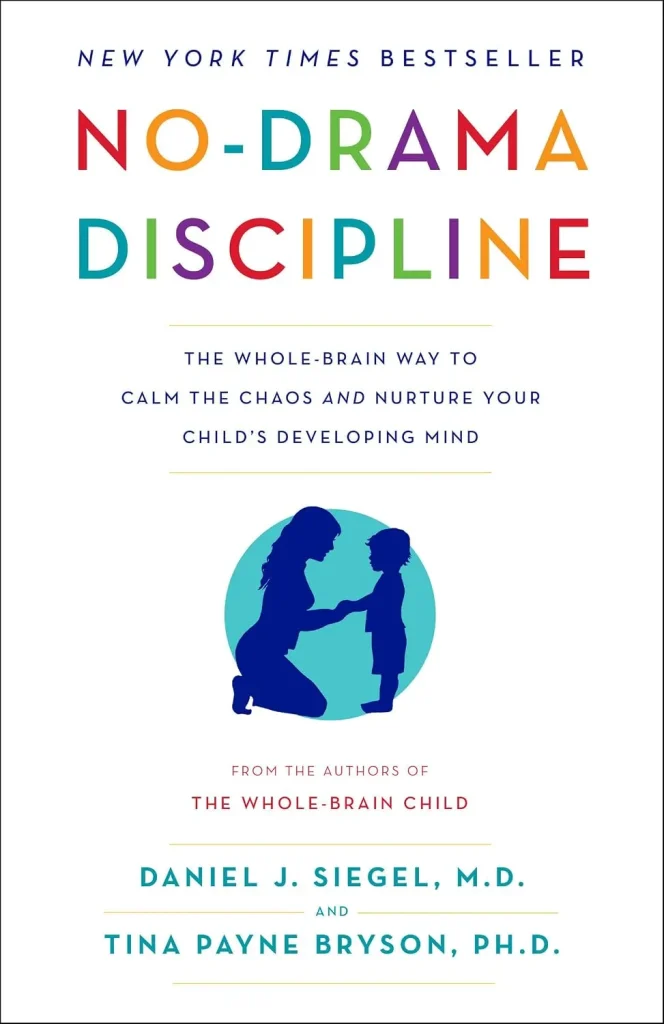
No-Drama Discipline by Daniel J. Siegel and Tina Payne Bryson helps parents understand how to guide children without creating unnecessary conflict.
The book explains that discipline is not only about correcting behavior.
It is also about teaching children emotional skills.
Parents can learn how to:
- Stay connected during difficult moments
- Respond instead of reacting
- Understand the reasons behind behavior
- Set boundaries with empathy
This book is especially helpful for parents who feel exhausted by repeated struggles and want calmer ways to handle challenges.
How to Talk So Little Kids Will Listen by Joanna Faber and Julie King
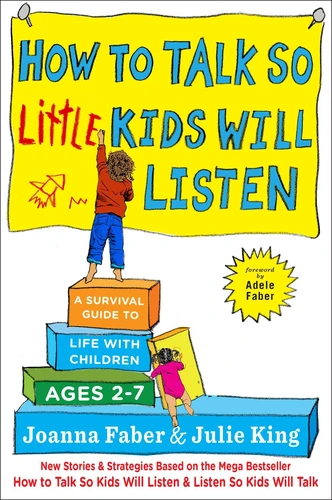
How to Talk So Little Kids Will Listen by Joanna Faber and Julie King focuses on improving everyday communication between parents and young children.
Many frustrating parenting moments happen because both sides feel misunderstood.
This book offers practical ideas for:
- Handling resistance
- Encouraging cooperation
- Responding to emotions
- Reducing daily arguments
It helps parents discover that changing the way they communicate can often change the entire dynamic at home.
Why Parents Lose Patience
Losing patience does not always mean a parent is not caring.
Often, frustration comes from:
- Lack of rest
- Unrealistic expectations
- Repeated stress
- Feeling unheard
- Trying to manage too much at once
Understanding these triggers is an important step toward creating change.
How to Become a More Patient Parent
Notice Your Triggers
Pay attention to situations that make you react strongly.
Awareness creates the opportunity to respond differently.
Pause Before Responding
A short pause can help create space between an emotion and an action.
Even a few seconds can change the direction of a difficult moment.
Focus on Connection Before Correction
Children are more open to guidance when they feel understood.
Connection does not mean removing boundaries.
It means creating trust while setting limits.
Who Should Read These Books?
These books may be helpful for parents who:
- Feel guilty after losing patience
- Want to stop reacting emotionally
- Struggle during challenging parenting moments
- Want a closer relationship with their child
- Are trying to create a calmer home environment
Final Thoughts
Being a patient parent does not mean being calm every second of every day.
It means learning, repairing, and growing through everyday experiences.
Books like The Parent You Aspire to Be, No-Drama Discipline, and How to Talk So Little Kids Will Listen can help parents understand their emotions, improve communication, and build stronger relationships with their children.
The goal is not perfect parenting.
It is more intentional parenting.