Children often express their feelings before they have the ability to explain them.
A child may cry because they feel overwhelmed.
They may become angry because they do not know how to communicate frustration.
They may refuse to cooperate because something deeper is bothering them.
For parents, these moments can be challenging.
It is easy to focus only on the behavior:
“Why is my child acting this way?”
But understanding the emotion behind the behavior can completely change the way parents respond.
The right parenting books can help parents look beyond actions and understand what their children are experiencing internally.
The Parent You Aspire to Be
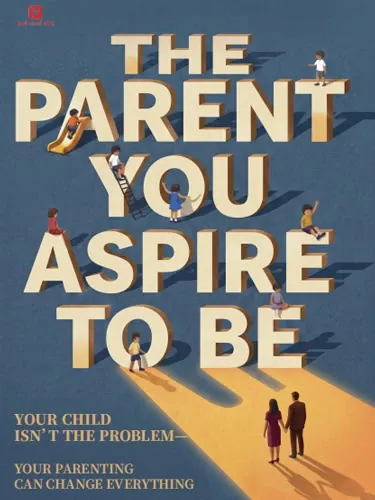
Best for: Parents who want to understand their child’s needs beyond behavior
Many parents want to respond better to their children.
But during stressful moments, it can be difficult.
A child refuses to listen.
A child has a strong emotional reaction.
A simple situation becomes a conflict.
In these moments, parents often focus on stopping the behavior quickly.
However, The Parent You Aspire to Be encourages parents to consider a different question:
“What is my child trying to communicate?”
The book focuses on developing a deeper understanding of parenting by exploring:
- How children’s emotions influence behavior
- How parents’ reactions affect connection
- How to create a more supportive relationship
- How to respond with greater awareness
It helps parents move from simply managing behavior to understanding the child behind the behavior.
For parents who want to build trust and emotional connection, this approach can be especially valuable.
The Whole-Brain Child
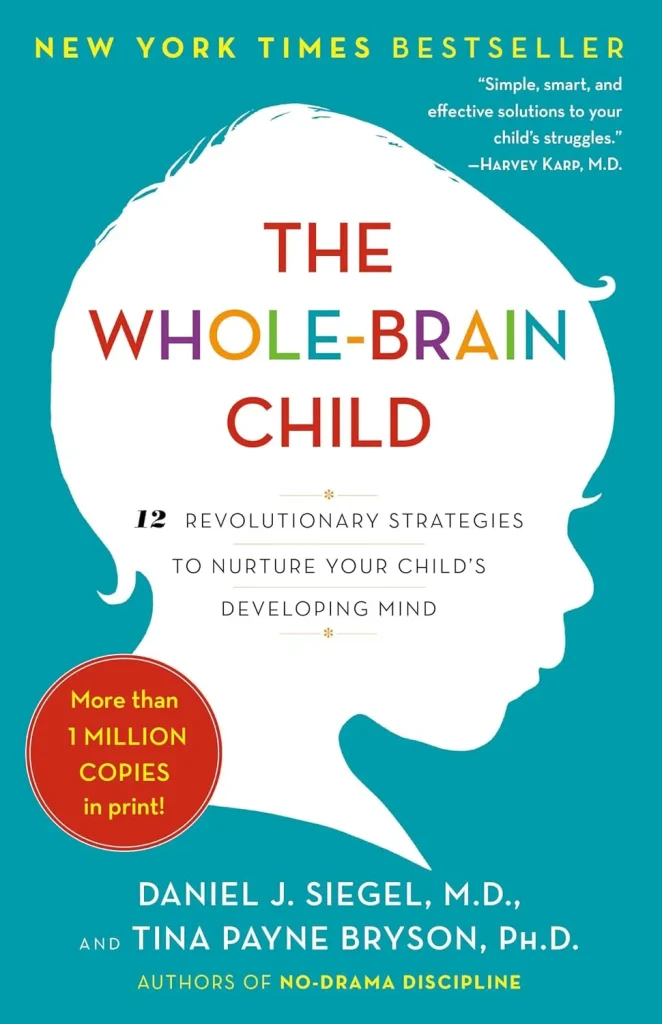
Best for: Parents who want to understand how children’s brains affect emotions
Children’s emotional reactions can sometimes seem confusing.
A child may become upset over something that seems small.
A child may struggle to calm down even after receiving comfort.
The Whole-Brain Child explains how children’s developing brains influence their emotions and actions.
The book helps parents understand:
- Why children react strongly in certain situations
- How emotional development happens
- How parents can support children’s ability to regulate feelings
It provides practical ideas for responding to children in ways that encourage understanding and emotional growth.
Why Is Understanding Children’s Emotions So Important?
Children are still learning how to manage feelings.
They need support to understand emotions before they can control them.
Behavior Often Communicates a Feeling
A child’s actions are sometimes a message.
Anger, crying, or withdrawal may reflect emotions they cannot explain.
Emotional Support Builds Trust
When children feel understood, they are more likely to communicate openly with parents.
Parents Also Learn Through the Process
Understanding children requires parents to observe, reflect, and adjust.
Parenting is a relationship that grows over time.
How Can Parenting Books Help You Understand Your Child Better?
A good parenting book can provide a different perspective.
Instead of asking:
“How do I stop this behavior?”
Parents can begin asking:
“What is causing this reaction?”
“What does my child need right now?”
“How can I respond in a way that strengthens our relationship?”
This shift can create more meaningful interactions.
Which Parenting Book Should You Start With?
Choose The Parent You Aspire to Be if you want to:
- Build a stronger emotional connection
- Understand your role in the parent-child relationship
- Develop a more thoughtful parenting approach
Choose The Whole-Brain Child if you want to:
- Learn about children’s brain development
- Understand emotional reactions
- Support your child’s emotional growth
Both books help parents see children’s emotions from a deeper perspective.
Final Thoughts
Children’s emotions are not problems to eliminate.
They are messages to understand.
When parents learn to recognize those messages, everyday challenges can become opportunities for connection.
The Parent You Aspire to Be is a valuable choice for parents who want to understand their children better and create a relationship built on trust, patience, and emotional awareness.