You know what you should do. Spend less. Save more. Stop buying things you do not need. But knowing and doing are two different things.
You tell yourself you will start next month. Then next month comes. And you do the same thing again.
If you have ever felt like something is wrong with you because you cannot seem to get your finances right, here is the truth: you are not broken. Your behavior around money is not about intelligence. It is about psychology, habits, emotions, and patterns you inherited before you had a choice.
These books do not teach you how to budget. They explain why your money behaviors keep sabotaging you—and what to do about it.
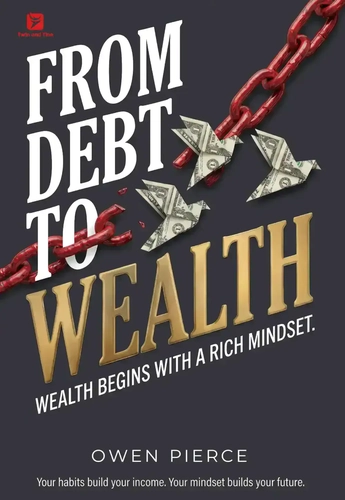
From Debt to Wealth by Owen Pierce
Understand the mindset patterns keeping you financially stuck
Most people assume their financial problems are about math. They think if they just earn more or cut a few expenses, everything will fix itself.
Pierce argues that this misses the deeper issue. Many people stay stuck because they never move beyond trading time for income. They never learn how to build assets, create financial flexibility, or think about money in a way that leads to freedom.
This book explains why a salary is a starting point, not a destination. Why luxury is often a display of money you do not have. Why working more hours has a ceiling. And why investing in yourself is the most important financial decision you can make.
It is not a budgeting book. It is a book about how to think about money differently—so you stop running in place and start building something that lasts.
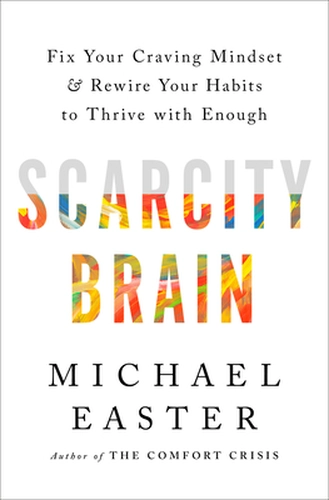
Scarcity Brain by Michael Easter
Understand why your brain keeps chasing short-term rewards
You are not always making bad money choices because you lack discipline. Sometimes your brain is designed to chase immediate rewards.
Easter’s book explores why humans fall into “scarcity loops”—patterns where the brain keeps seeking quick hits of pleasure or relief, even when those choices harm us in the long run. It is the same mechanism behind impulse buying, emotional spending, and the feeling that you cannot stop yourself.
This is not about willpower. It is about understanding how your brain works under pressure. Once you see the loop, you can start to interrupt it.
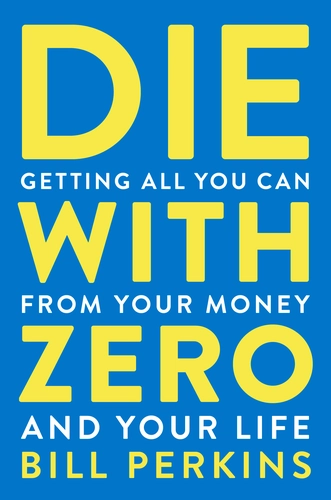
Die With Zero by Bill Perkins
Understand why spending and saving are both emotional decisions
Some people are bad with money because they spend too much. Others are bad with money because they never spend at all. Both are avoidance.
Perkins challenges the idea that money is only about accumulation. He argues that money is a tool for life experiences—and that saving too much can be just as costly as spending too much.
The question is not “how much can I save?” The question is “what am I actually using my money for?”
This book helps you rethink the purpose of money: not just to have it, but to use it intentionally for the life you want to live.
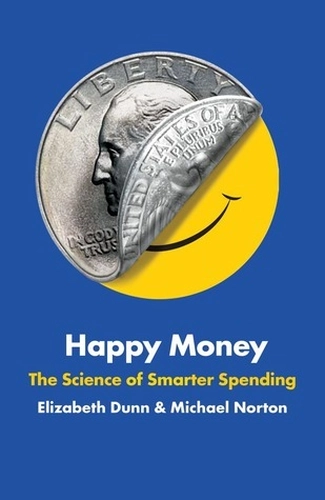
Happy Money by Elizabeth Dunn and Michael Norton
Understand why some spending makes you happy and some does not
Many people who are “bad with money” are not spending too much. They are spending on the wrong things.
Dunn and Norton, both psychologists, studied what actually makes people happy. They found that buying status, expensive things, or stuff you do not really want rarely improves life satisfaction. But spending on experiences, time with others, and things that genuinely matter to you does.
This is not a book about frugality. It is about spending with intention. It helps you stop wasting money on things that do not make you happy—so you have more for the things that do.
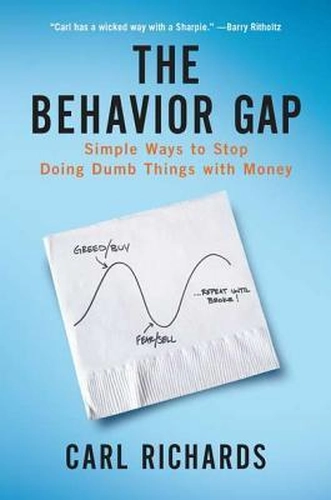
The Behavior Gap by Carl Richards
Understand why smart people make bad financial decisions
You know the right thing to do. But in the moment, panic, comparison, or emotion takes over.
Richards, a certified financial planner, noticed that many of his smartest clients still made terrible decisions. Not because they lacked information. Because they reacted emotionally—selling when the market dropped, buying when everyone else was buying, chasing trends instead of sticking to a plan.
The “behavior gap” is the difference between what you should do and what you actually do.
This book is not about advanced investing. It is about understanding your own emotional triggers and building simple rules that keep you from getting in your own way.
Quick comparison
| Book | What it helps you understand |
|---|---|
| From Debt to Wealth | Why earning more does not fix the problem |
| Scarcity Brain | Why your brain chases short-term rewards |
| Die With Zero | Why you struggle to use money intentionally |
| Happy Money | Why your spending does not make you happy |
| The Behavior Gap | Why you know what to do but do not do it |
How these books work together
These five books explain why you are bad with money from five different angles.
First, understand the mindset.
From Debt to Wealth shows you the mental models that keep you stuck in the paycheck cycle.
Second, understand the brain.
Scarcity Brain explains why your brain keeps pulling you toward short-term rewards.
Third, understand the purpose.
Die With Zero helps you rethink what money is actually for.
Fourth, understand the spending.
Happy Money shows you how to spend on things that actually matter.
Fifth, understand the execution.
The Behavior Gap explains why you still make mistakes—and how to close the gap between knowing and doing.
FAQ
Why am I bad with money even though I know what to do?
Because knowing and doing are processed by different parts of the brain. Financial decisions are often emotional before they are logical. You are not bad with money because you are stupid. You are bad with money because your habits, emotions, and patterns were formed before you had control over them.
Why does my money disappear so fast?
Usually because of small, automatic spending habits. Not the big purchases. The small ones that happen without thinking. The key is not to shame yourself. The key is to see the pattern.
Why does my income increase but I still feel broke?
Lifestyle inflation. When income goes up, spending often goes up with it unless you deliberately redirect the difference. It is not about earning more. It is about what you do with the gap between your income and your spending.
Can someone who is bad with money actually change?
Yes. But change does not come from a budgeting app. It comes from understanding the behavior, seeing the pattern, and building a system that works with how you actually operate.
