You believed them. That’s the part that stings. Not the money you lost, or the time, or the opportunity. It’s that you believed them, and they knew you would.
Maybe it was a friend who borrowed something and disappeared. A partner who lied so smoothly you didn’t question it. A colleague who took credit for your work while smiling to your face. Or a stranger with a story so convincing you handed over something you can’t get back.
You don’t want to become suspicious of everyone. But you’re tired of being the last one to figure it out. The five books below address that from different angles. One gives you the foundation everything else builds on.
Book 1: Dangerous Personalities by Joe Navarro
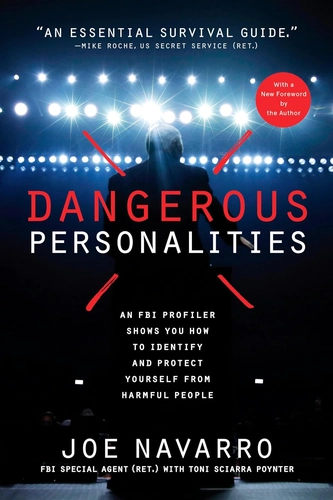
Some people are not just difficult. They are dangerous. And they look exactly like everyone else.
Navarro spent twenty-five years as an FBI counterintelligence agent, reading people for a living. In this book, he identifies four personality types that cause the most harm. Narcissists. Predators. Psychopaths. Paranoids. What they share is a willingness to use others without guilt and a talent for appearing trustworthy.
You’ll learn the warning signs that appear early, often before any damage is done. The charm that feels slightly too smooth. The stories that don’t quite connect. The way they treat people who can’t help them. Navarro doesn’t make you paranoid. He makes you literate in a language you didn’t know you needed to read.
Book 2: Awakening to Human Nature by Owen Pierce
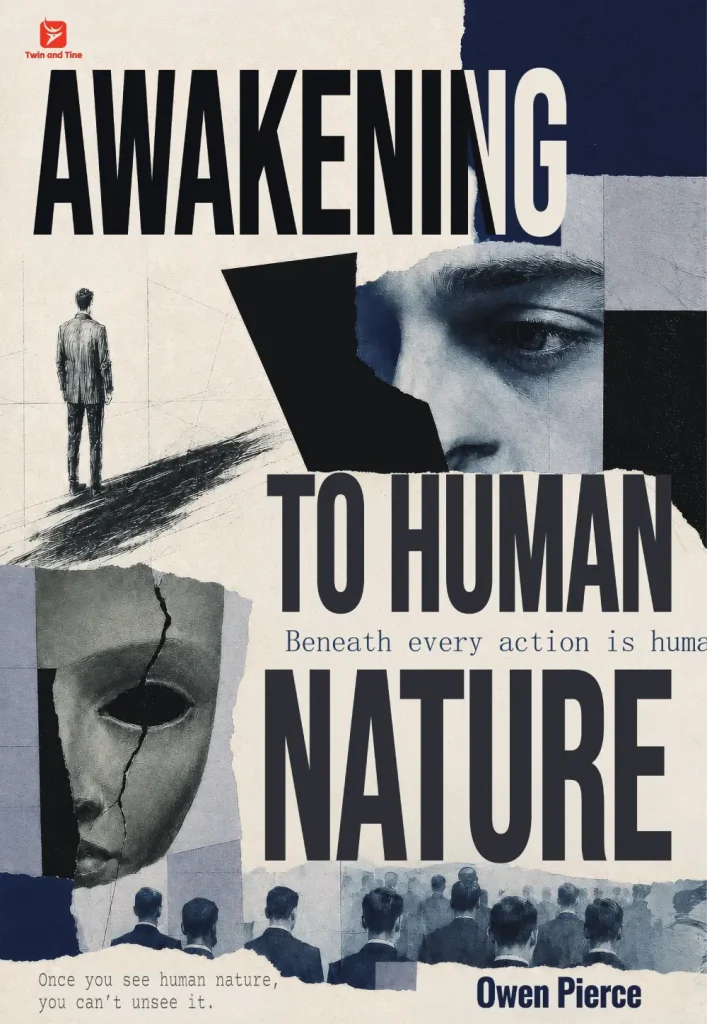
Trust isn’t broken by strangers. It’s broken by people you believed you knew.
This book explains why trust fails so often. Not because you’re naive, but because you’ve been taught to assume others operate the way you do. They don’t. Loyalty expires when needs change. Kindness gets withdrawn when it stops serving the person offering it. Promises made in one emotional state get broken in another.
You’ll learn why people can betray you and genuinely feel like the victim. Why they construct reasons after the fact to justify what they did. Why the same person who seemed honest last year can treat you as a stranger today.
The book also turns the lens inward. Why you keep ignoring the signs you already see. Why you give second chances to people who haven’t earned a first one. Why the hope that someone will change keeps you in the same cycle. Once you understand the machinery underneath, you stop being surprised when trust breaks.
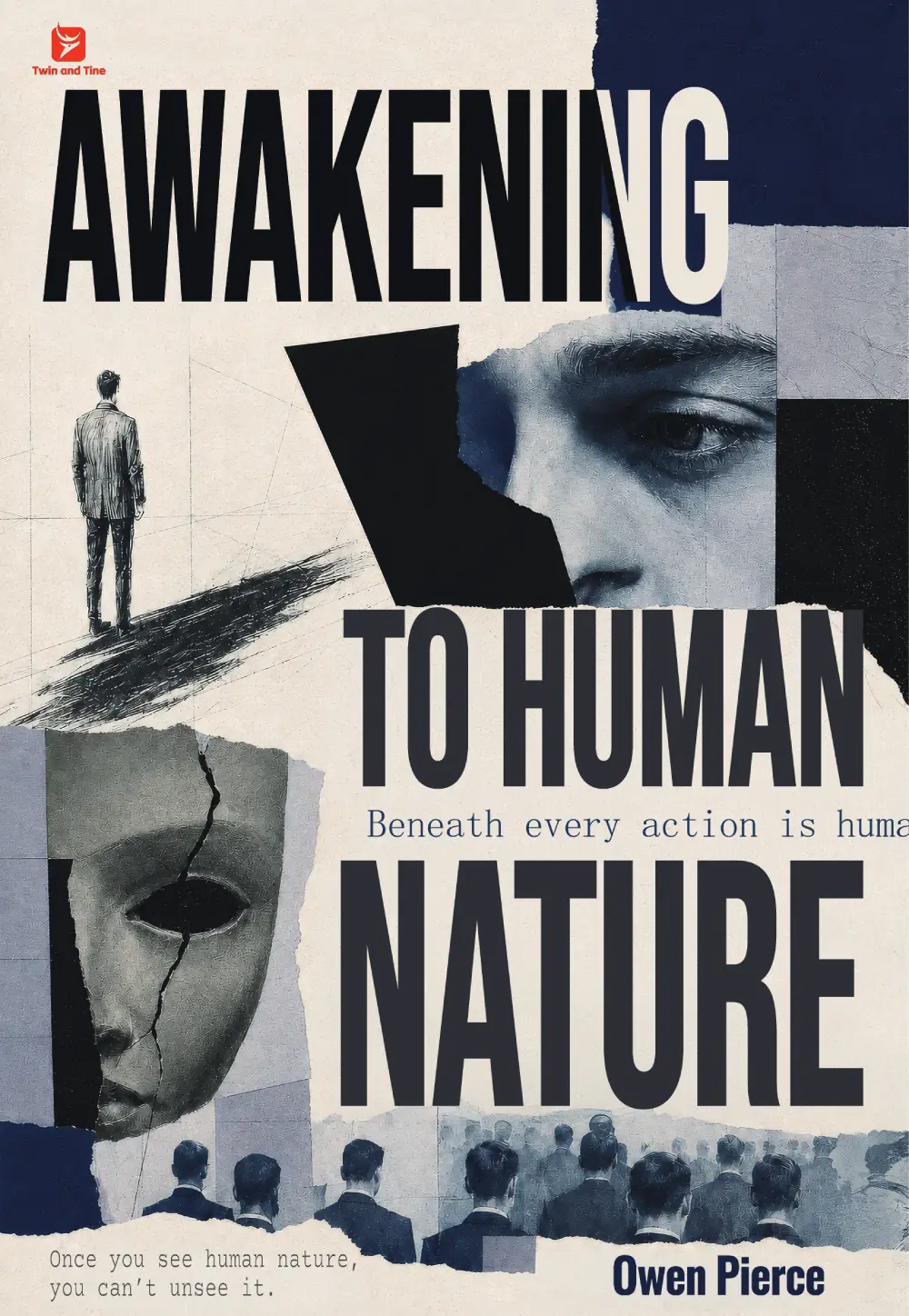
Awakening to Human Nature
Owen PierceYou saw the signs. You just didn’t know what they meant yet.
Learn how to notice the patterns behind people’s words, choices, loyalty, pressure, and changing behavior.
Book 3: The Power of Strangers by Joe Keohane
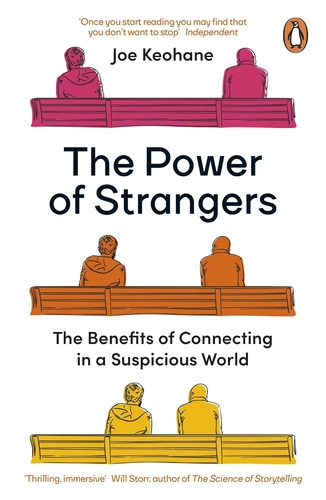
Not everyone deserves your trust. But shutting everyone out isn’t the answer either.
Keohane, a journalist, spent years studying how humans interact with strangers. What he found was surprising. Most people are more trustworthy than we assume, and our fear of strangers is often more dangerous than the strangers themselves. The problem isn’t trust itself. It’s trust that hasn’t been calibrated.
You’ll learn why some people are naturally more trusting and why that’s not always a weakness. How to distinguish between reasonable caution and paralyzing suspicion. And why the ability to connect with strangers is a skill worth preserving, even after you’ve been burned.
Book 4: Think Again by Adam Grant
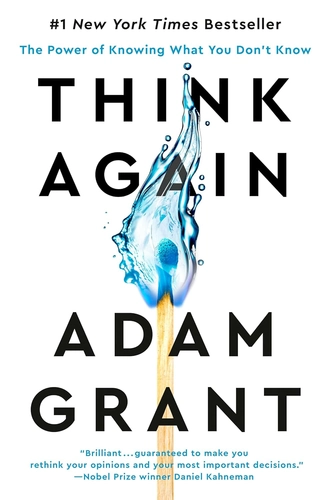
The ability to change your mind isn’t weakness. It’s a survival skill.
Grant, a Wharton psychologist, argues that the most successful people aren’t the ones who hold onto their beliefs. They’re the ones who update them when new information arrives. This applies to trust as much as anything else. Holding onto your assessment of someone after the evidence has changed isn’t loyalty. It’s stubbornness.
You’ll learn how to separate your identity from your opinions. How to question what you believed without feeling like you’re betraying yourself. And how to recognize when the person in front of you has shown you who they really are, even if you wish they hadn’t.
Book 5: The Scout Mindset by Julia Galef
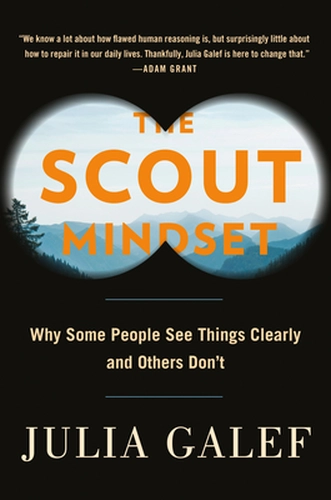
Most people see what they want to see. Scouts see what’s actually there.
Galef, a decision analyst, draws a distinction between soldiers and scouts. Soldiers defend their existing beliefs. Scouts explore to find out what’s true. When you’ve been too trusting, the instinct is to overcorrect and become a soldier for suspicion. The better path is to become a scout. Curious. Open. But clear-eyed.
You’ll learn how to gather evidence about people without jumping to conclusions. How to hold your assessments loosely enough to be accurate. And how to rebuild your ability to trust without abandoning your judgment.
The signs were there. They usually are. The pause that lasted a beat too long. The story that changed slightly each time. The way they treated the waiter differently than they treated you.
You noticed. You just didn’t want to believe what you noticed.
The other books help you identify dangerous people, understand the psychology of trust, and update your beliefs when the evidence changes. But Awakening to Human Nature explains why you ignored what you saw in the first place. It shows you the self-deception, the hope, and the emotional patterns that keep you giving chances to people who haven’t earned them.
You don’t need to stop trusting people. You need to stop overriding what you already see.
If you found this helpful, these books go deeper into the same themes.




Break the Anxiety Circle
$19.90

From Debt to Wealth
$19.90

