You open your banking app after a weekend of “small purchases” and feel that familiar sinking feeling. You know you spent too much again. You tell yourself next month will be different. Then next month comes, and the cycle repeats.
The problem is not that you do not understand money. You know you should save. You know you should spend less. But knowing and doing are two different things.
For many people, overspending is not a math problem. It is a behavior problem. It is driven by emotions, habits, and automatic responses that happen before you even realize you are making a choice.
The three books below do not tell you to “just stop spending.” They help you understand why you spend, what drives the behavior, and how to change it.
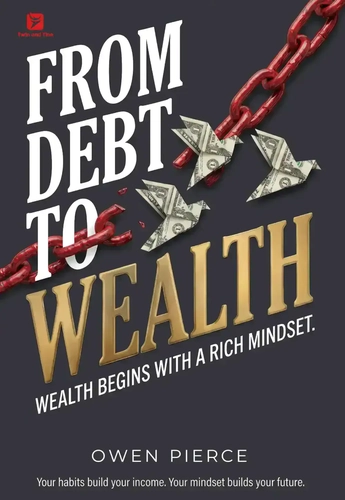
From Debt to Wealth by Owen Pierce
Understand why you keep making the same money mistakes
Many people believe their spending problems come from a lack of willpower. They think if they just tried harder, they could stop.
Pierce argues that the real issue is deeper. He explains how beliefs about money—what it means, how it should be used, what it says about you—shape your financial decisions without you realizing it. He challenges the idea that earning more will solve the problem, showing why many people who get raises end up in the same financial position.
A salary is a starting point, not a destination. Luxury is often a display of money you do not have. Working more hours has a ceiling. The most important financial decision you can make is often not about money at all. It is about understanding the beliefs that influence every financial choice you make.
This book shifts how you think about your finances. You stop asking “how do I make more?” and start asking “where is my money actually going and what is it building?”
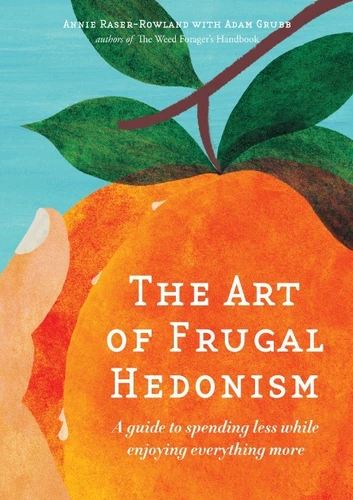
The Art of Frugal Hedonism by Annie Raser-Rowland and Adam Grubb
Learn to enjoy life without constantly spending
Many people overspend because they believe spending is the fastest path to feeling good.
A stressful week? Buy something.
A bad day? Treat yourself.
A small achievement? Reward yourself.
The problem is that these small purchases add up. Over time, spending becomes less about what you need and more about how you regulate your emotions.
This book challenges the idea that a better life requires more consumption. The authors show how to create more satisfaction with less spending—not through restriction, but through changing what you value. They explore cheaper sources of pleasure, simple joys, and why spending and happiness are not the same thing.
The message is not deprivation. It is freedom. Once you stop equating spending with happiness, you stop needing to spend as much.
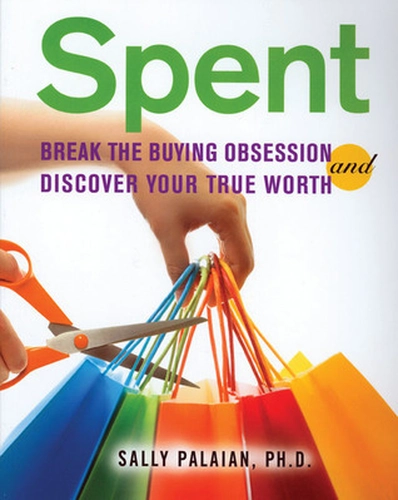
Spent by Sally Palaian
Understand the emotional reasons behind overspending
Many people who cannot stop spending feel ashamed. They hide purchases. They lie about what things cost. They feel like they are the only ones who cannot get it together.
Palaian, a psychologist who specializes in compulsive spending, wrote this book for people who have tried every budgeting system and failed. Her approach is different. She does not start with money. She starts with emotions.
She explains that spending is often a coping mechanism. It helps people manage stress, avoid uncomfortable feelings, or feel a sense of control when everything else feels chaotic. The problem is not the spending itself—it is what the spending is trying to fix.
This book helps you understand what you are really trying to buy. Is it relief from anxiety? A feeling of worth? A temporary escape? Once you see the underlying need, you can start addressing it directly instead of through your credit card.
What these books teach you
These three books explain why you cannot stop spending from different angles.
From Debt to Wealth helps you understand the beliefs and habits that keep you stuck. You realize that your spending decisions are not random—they are shaped by how you think about money.
The Art of Frugal Hedonism helps you separate spending from happiness. You learn that enjoying life does not require constant consumption.
Spent explores the emotional reasons behind overspending. You understand what you are really trying to get from the purchases you make.
Together, they give you a complete picture of why you spend the way you do. And once you understand the why, you can actually change the behavior.
FAQ
Why do I keep spending money even when I know I should not?
Because spending is often driven by emotion and habit, not logic. The urge happens fast—faster than your rational mind can intervene. Understanding the emotional and psychological drivers is the first step to gaining control.
How do I stop impulse buying?
Start by creating a pause between the urge to buy and the act of buying. A 24-hour rule is often enough to break the spell. Ask yourself: am I buying this because I need it, or because I want the feeling of buying it?
What if I am spending to cope with stress or sadness?
You are not alone. Many people use spending to manage difficult emotions. The key is to find other ways to process those feelings. Books like Spent can help you identify what is really driving the behavior.
Can someone who is bad with money actually change?
Yes. Being bad with money is usually not an identity. It is a set of habits and beliefs that developed over time. And patterns that were learned can be unlearned.
