You earn a decent income. You pay your bills. You are not buying luxury cars or taking expensive vacations every month. Yet somehow, at the end of every month, your bank account looks almost exactly the same.
You are not alone.
Many people feel like their money simply evaporates. There is no single purchase to blame—no vacation, no designer bag, no obvious mistake. Just a thousand small transactions that add up to something you never see.
The problem is not that you are bad with money. The problem is that you have never been taught how to see where it actually goes.
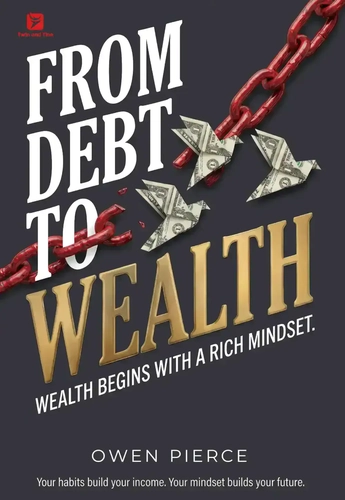
From Debt to Wealth by Owen Pierce
Understand why your money disappears
Before you can figure out where your money is going, you have to understand why it leaves so easily in the first place.
Pierce explains that most people are not bad with money. They are running on beliefs about money they never examined. The belief that a higher paycheck will fix everything. The belief that spending equals success. The belief that financial security is something that just happens later.
Many people do not lose money because of one bad decision. They lose it because their financial choices are happening automatically. The patterns are invisible until you learn to see them.
He challenges the assumption that earning more is the answer, showing why raises often disappear into lifestyle inflation. The problem is not your income. It is the system you are running.
This book shifts how you think about your finances. You stop asking “how do I make more?” and start asking “where is my money actually going and what is it building?”
The Art of Money by Bari Tessler
Understand your emotional relationship with money
Many people avoid looking at their finances because money has become connected to shame, fear, or anxiety.
Tessler argues that managing money is not just about numbers. It is about developing a healthier relationship with money itself. Her approach helps readers become aware of their patterns instead of judging themselves for them.
She guides you through a process of understanding your financial story—where your money beliefs came from, what triggers your avoidance, and how to build a gentler relationship with your spending.
The reason this matters is simple: you cannot change a financial pattern you refuse to look at.
For anyone who has ever felt anxious just opening their banking app, this book reframes money as something to understand, not fear.
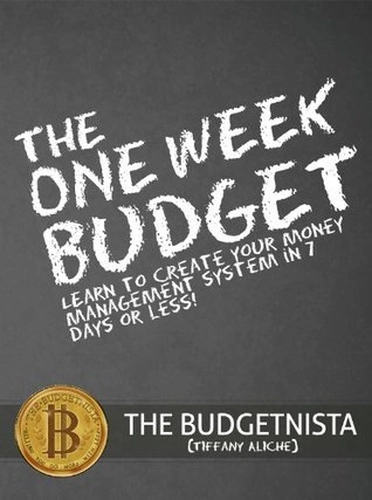
The One-Week Budget by Tiffany Aliche
Create a system for managing your money
Many people avoid budgeting because they think it means tracking every purchase forever. They try apps. They try spreadsheets. Nothing sticks.
Aliche’s approach is different. Instead of making budgeting a full-time job, she focuses on getting clear on your numbers and then automating the right behaviors. You do not need to track every dollar for the rest of your life. You just need to know where your money is going long enough to build a system.
For people who do not know where their money goes, this is the missing piece. You stop guessing. You stop avoiding. You create a system that works without constant effort.
What these books teach you
The first book helps you understand why your money leaves so quickly. You see the beliefs and habits that keep you stuck.
The second book helps you address the emotions that make you avoid looking at your finances. You stop feeling ashamed and start feeling curious.
The third book gives you a practical system for managing your money. You stop wondering where it went and start directing it intentionally.
Together, they answer one question: where does my money go? Not with a spreadsheet. With a new way of seeing your financial life.
FAQ
Why do I earn more but never seem to have more?
Because lifestyle inflation often grows alongside income. The solution is not just earning more—it is learning to see where your money is going and making intentional choices before your spending catches up to your raise.
Is it possible to build wealth without tracking every dollar?
Yes. Tracking every dollar is not sustainable for most people. The goal is not perfection. The goal is awareness. Once you understand your patterns, you can build systems that work without constant effort.
Why do I avoid looking at my bank account?
For many people, money is tied to shame, anxiety, or fear. Avoiding it feels safer than facing it. But avoidance rarely fixes anything. Books like The Art of Money can help you shift your relationship with money from fear to understanding.
What is the first step if I do not know where my money goes?
Look back at 30 days of spending. Not to judge yourself. Just to see the pattern. Most people do not know where their money disappears. The clarity comes first. The change comes second.
