You have probably done this. You make a plan to pay off your debt. You cut back on spending. You make an extra payment. You feel good about it.
Then something happens. A car repair. A medical bill. A month where your hours get cut. And you are back to where you started.
The cycle repeats. And you start to wonder: will I ever be free of this?
Most debt advice starts with numbers: lower your spending, increase your payments, follow a budget. But debt is rarely a math problem. It is a behavior problem, a belief problem, and a system problem. Until those change, the debt tends to come back.
The books below do not just give you another repayment strategy. They help you understand why you stay stuck, how to actually pay it off, and what changes so you never go back.
2026 Best Books for People Trying to Pay Off Debt: Quick Comparison
| Book | Best For | Key Focus | Experience Level |
|---|---|---|---|
| From Debt to Wealth | Understanding Why You Stay in Debt | Beliefs, Patterns, Systems | All Levels |
| Debt Free Forever | Creating a Realistic Repayment Plan | Action Steps, Budgeting, Accountability | Debt-Carrying |
| The Simple Path to Wealth | Building Wealth After Debt | Investing, Long-Term Growth | Post-Debt |
1. From Debt to Wealth by Owen Pierce — Best for Understanding Why You Stay in Debt
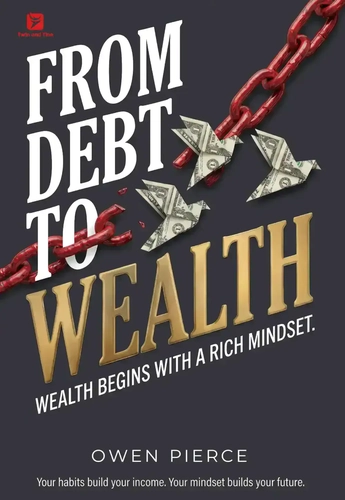
Best for: Anyone who has tried to pay off debt and found themselves back in the same place.
What we like:
- Explains why debt is usually a symptom, not the root problem
- Helps you see the beliefs and patterns that keep you stuck
- Focuses on root causes rather than quick fixes
- Works for any income level
Most debt advice assumes you are in debt because you made bad choices. If you just spend less, earn more, and make bigger payments, the problem will solve itself.
Pierce argues that this view misses the real issue. Debt is often the result of something deeper: the beliefs you have about money, the lifestyle you are trying to maintain, and the system you are running. A person who gets a raise and immediately spends more is not making a bad choice. They are following a belief about what success looks like. A person who avoids looking at their debt is not lazy. They are protecting themselves from shame. A person who makes minimum payments and never gets ahead is not failing. They are stuck in a system designed to keep them there.
Pierce helps you see the pattern beneath the debt. You stop asking “how do I pay this off?” and start asking “why do I keep getting into debt?”
What you will learn:
- How beliefs about money keep you in debt
- Why earning more does not always fix the problem
- How lifestyle inflation makes debt hard to escape
- The difference between paying off debt and breaking the cycle
Who should read this: Anyone who has tried to pay off debt and found themselves back in the same place.
2. Debt Free Forever by Gail Vaz-Oxlade — Best for Creating a Realistic Repayment Plan
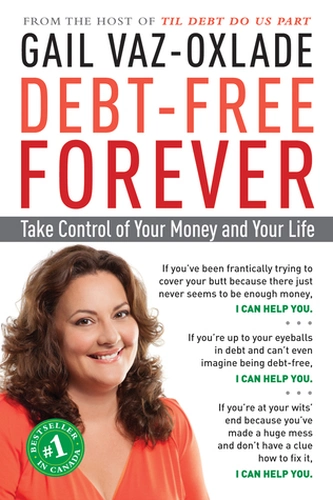
Best for: Anyone who is overwhelmed by debt and needs a clear, step-by-step plan.
What we like:
- Clear, step-by-step action plan
- No judgment—meets you where you are
- Realistic and achievable
- Proven to work for thousands of readers
Understanding why you are in debt is the first step. But understanding alone does not pay the bills. You need a system that works.
Vaz-Oxlade has spent decades helping people get out of debt. Her approach is direct, compassionate, and relentlessly practical. She does not spend chapters exploring the psychology of spending. She gives you a plan.
The book covers everything from listing your debts to negotiating with creditors to creating a realistic budget that you can actually follow. Vaz-Oxlade does not pretend it will be easy. She tells you it will require sacrifice. But she also tells you exactly what to do, in what order, and how to stay motivated when it gets hard.
What you will learn:
- How to create a realistic debt repayment plan
- How to negotiate with creditors
- How to stay motivated through a long payoff process
- How to stop living paycheck to paycheck
Who should read this: Anyone who is overwhelmed by debt and needs a clear, step-by-step plan.
3. The Simple Path to Wealth by JL Collins — Best for Building Wealth After Debt
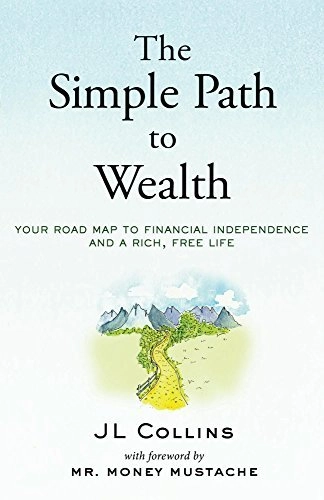
Best for: Anyone who has paid off debt and wants to know what comes next.
What we like:
- The clearest explanation of index fund investing available
- Direct, honest, and actionable
- Written in a personal, letter-to-daughter format
- The most widely recommended investing book in FIRE communities
Many people pay off their debt and then feel lost. They spent years focused on getting to zero, and once they arrive, they do not know what to do next.
Collins wrote this book as a series of letters to his daughter. He wanted to give her everything she needed to know about money in one place. The result is the clearest explanation of index fund investing available anywhere.
He argues that the average investor does not need complex strategies or active management. They need a simple, low-cost index fund, held for decades. For anyone who has just paid off debt, this book provides the next step: building actual wealth instead of just surviving.
What you will learn:
- How to invest without taking unnecessary risks
- Why index funds outperform most active strategies
- How to build wealth that lasts
- What financial freedom actually looks like
Who should read this: Anyone who has paid off debt and wants to know what comes next.
How These Books Work Together
These three books approach debt from different angles.
The first book helps you understand the beliefs and patterns that keep you in debt. You stop blaming yourself and start seeing the system.
The second book gives you a clear, step-by-step plan to pay off what you owe. You stop feeling overwhelmed and start taking action.
The third book helps you build a life after debt. You stop thinking about getting to zero and start building wealth that lasts.
Together, they help you pay off your debt and build a life where you never have to start over.
Paying off debt is not just about reaching a zero balance. It is about changing the habits, beliefs, and systems that determine what happens after you reach it.
Frequently Asked Questions
Why do I keep getting into debt even when I earn enough?
Because debt is rarely about income. It is about habits, beliefs, and the lifestyle you are trying to maintain. Until those change, more income often means more spending.
What is the first step to paying off debt?
Stop avoiding your numbers. Write down what you owe, to whom, and at what interest rate. You cannot fix what you are afraid to look at.
Should I save money while paying off debt?
Yes, but prioritize high-interest debt first. Build a small emergency fund, then focus on eliminating the most expensive debt.
How do I make sure I never get into debt again?
By changing the system. Willpower alone will not keep you out of debt. You need automated savings, a realistic budget, and a way to handle unexpected expenses without falling back on credit.
