You tell yourself you will spend less next month.
Then something happens.
A stressful week. A bad day. A little reward you think you deserve.
And somehow, your budget disappears again.
The problem is not always that you do not know how to save. The problem is that spending often solves something deeper.
It relieves stress. It gives a sense of control. It creates a brief moment of excitement. It feels like a reward for surviving another week.
The goal is not to become someone who never spends money. The goal is to understand why you spend—so you can start choosing what actually matters.
Why overspending is rarely about money
When people spend too much, the obvious explanation is: they lack discipline. But that explanation ignores almost everything important.
Spending is often:
- emotional — buying to feel better
- habitual — automatic purchases you barely notice
- identity-driven — spending to look successful
- reward-seeking — chasing short-term pleasure
- attention-seeking — filling emptiness with things
Until you address the actual driver, willpower alone will not fix the problem. You will keep spending, feel guilty, and repeat the cycle.
The five books below address these drivers directly. Each one helps you understand a different layer of why you spend—so you can finally stop fighting a battle you were never going to win with discipline alone.
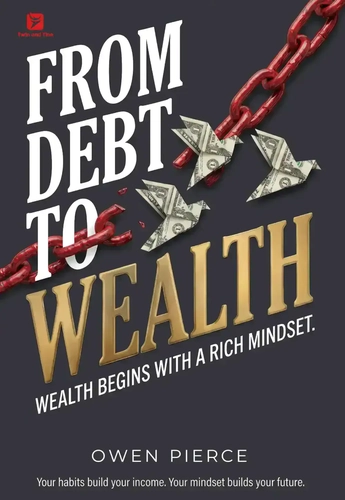
From Debt to Wealth by Owen Pierce
Understand the mindset behind your spending habits
Before you change what you buy, you need to understand why you buy.
Pierce argues that many people overspend because they confuse spending with success. They buy things to feel wealthy. They use money to create an identity. They choose short-term pleasure over long-term freedom.
His book explains why a salary is a starting point, not a destination. Why luxury is often a display of money you do not have. Why trading time for income has a ceiling. And why the fastest path to changing your financial life is investing in yourself first.
The goal is not to feel guilty about spending. The goal is to see the patterns—so you can stop using money to solve problems it was never designed to fix.
Dopamine Nation by Anna Lembke
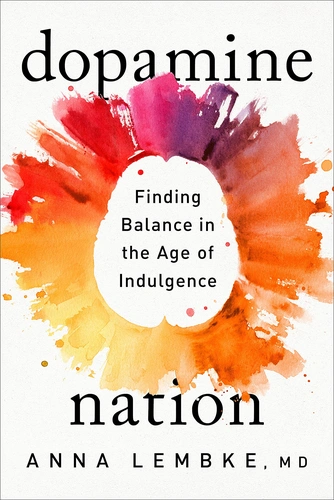
Understand why your brain keeps chasing more
Overspending is not just about money. It is about the brain’s reward system.
Lembke, a psychiatrist and addiction specialist, explores why modern life makes us constantly seek more. More stuff. More stimulation. More immediate gratification.
She explains that shopping often provides a hit of dopamine—the brain’s feel-good chemical. It is not just about buying things. It is about the excitement, the escape, the brief sense of control. That is why online shopping, impulse buys, and “just one more thing” feel so hard to resist.
The book helps you see the loop. Once you understand what your brain is actually doing, you stop treating yourself as “weak” and start recognizing the mechanism behind the behavior.
Happy Money by Elizabeth Dunn and Michael Norton
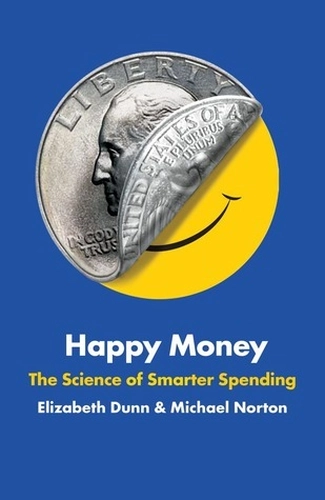
Learn how to spend money without wasting it
Many people assume the solution to overspending is: stop spending. But that is not realistic. People want to enjoy their money.
Dunn and Norton, both psychologists, studied what actually makes people happy. They found that spending on experiences, time with others, and things that genuinely matter creates lasting satisfaction. Spending on status, expensive things, or stuff you do not really want does not.
The book shifts the question from “how do I stop spending?” to “how do I spend better?”
This is not about becoming cheap. It is about spending in a way that actually delivers value—so you are not wasting money on things that do not make your life better.
The Art of Frugal Hedonism by Annie Raser-Rowland and Adam Grubb
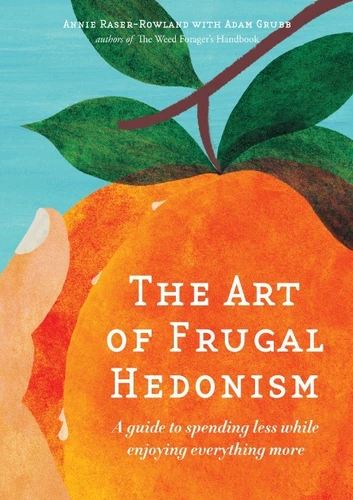
Learn how to enjoy life without constantly buying things
Many people overspend because they believe pleasure requires consumption.
Raser-Rowland and Grubb challenge that assumption. Their book is about how to enjoy life more while spending less. Social activities. Simple hobbies. Low-cost pleasures that actually feel good.
The goal is not deprivation. It is learning that many of the best things in life are either free or cheap—and that buying things is often a shortcut to a feeling you could get another way.
This book is different from typical frugality guides. It is not about sacrifice. It is about rediscovering sources of happiness that do not require a receipt.
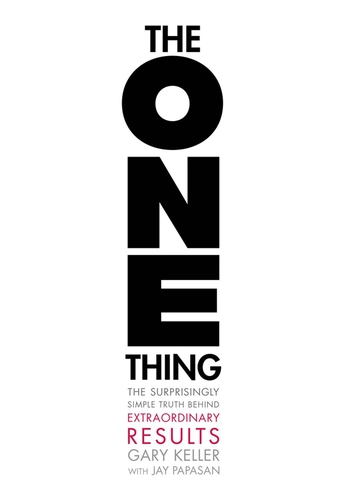
The One Thing by Gary Keller
Understand why too many priorities lead to wasted spending
Overspending is often a symptom of a bigger problem: you do not know what actually matters.
Keller argues that when your life lacks clarity, you become vulnerable to distraction, comparison, and impulse. You buy things to fill the void. You spend to keep up with others. You waste money on things you do not really want because you have not defined what you do want.
When you know your one thing—your true priority—spending becomes clearer. You stop buying things that do not align with your actual goals. You stop spending to impress people who are not paying attention.
This book is not about money. It is about focus. But for people who cannot stop spending, it might be the most useful one on the list.
Quick comparison
| Book | What it helps you understand |
|---|---|
| From Debt to Wealth | The mindset behind your spending habits |
| Dopamine Nation | Why your brain keeps chasing more |
| Happy Money | How to spend money without wasting it |
| The Art of Frugal Hedonism | How to enjoy life without constantly buying things |
| The One Thing | Why too many priorities lead to wasted spending |
How these books work together
These five books address overspending from five different angles.
First, understand the mindset.
From Debt to Wealth shows you why you spend to create identity and feel successful. You start seeing the patterns.
Second, understand the brain.
Dopamine Nation explains the reward loop behind impulse buying. You stop blaming your willpower and start understanding the mechanism.
Third, understand the value.
Happy Money helps you spend on things that actually matter. You stop wasting money on things that do not deliver.
Fourth, understand the alternative.
The Art of Frugal Hedonism shows you how to enjoy life without spending. You rediscover sources of pleasure that cost nothing.
Fifth, understand the priority.
The One Thing helps you clarify what truly matters. You stop spending on things that do not align.
Together, they shift your focus from “how do I stop spending?” to “what am I actually trying to get from spending?”
FAQ
Why do I keep spending even when I know I should save?
Because spending solves something. It relieves stress. It provides a moment of pleasure. It gives you a sense of control. Until you address the underlying driver, willpower will keep failing.
How do I stop impulse buying?
Start by understanding the trigger. What emotion are you feeling before you buy? Boredom? Stress? Anxiety? Once you name the feeling, the impulse loses some of its power. Then delay the purchase for 24 hours. The urgency usually passes.
Is it okay to spend money on things I enjoy?
Yes. The goal is not to become someone who never spends. The goal is to spend on things that actually matter to you. The problem is not spending. It is spending without intention.
How do I know if I am spending too much?
Not by comparing to others. By asking: does this spending align with what I actually care about? If you cannot answer that question, you may be spending on autopilot.
