Some people know exactly what they feel.
Others feel something strongly but struggle to put it into words.
You may think:
“I don’t know how to explain what I need.”
“I don’t want to start an argument.”
“I wish people understood me without me having to explain.”
Many communication problems are not caused by a lack of care.
They happen because people express emotions in different ways.
One person becomes silent.
One person becomes defensive.
One person says something they regret.
Learning how to communicate feelings clearly is not just about choosing better words.
It is about understanding emotions, intentions, and the impact of our messages.
The right books can help people develop stronger communication skills and healthier relationships.
1. Say It Right Every Time
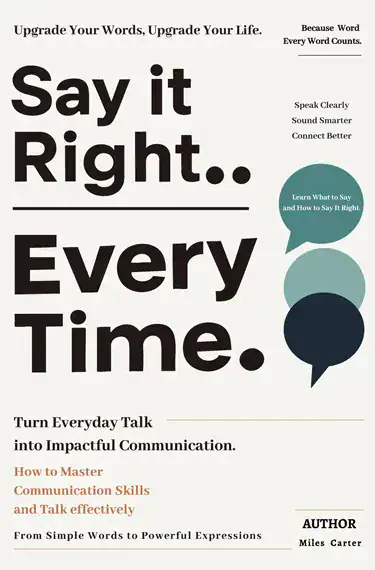
Best for: People who want to communicate more clearly and effectively
Many people believe communication is simply about talking.
But effective communication is much more than speaking.
It involves:
How you express your thoughts.
How you choose your words.
How others receive your message.
Say It Right Every Time focuses on helping people improve everyday communication by understanding how language influences conversations and relationships.
The book helps readers explore:
- How to choose words more carefully
- How to avoid unnecessary misunderstandings
- How to express thoughts with clarity
- How communication affects relationships
For people who often think:
“I know what I mean, but people misunderstand me,”
this book offers a practical way to improve how they communicate.
2. Nonviolent Communication
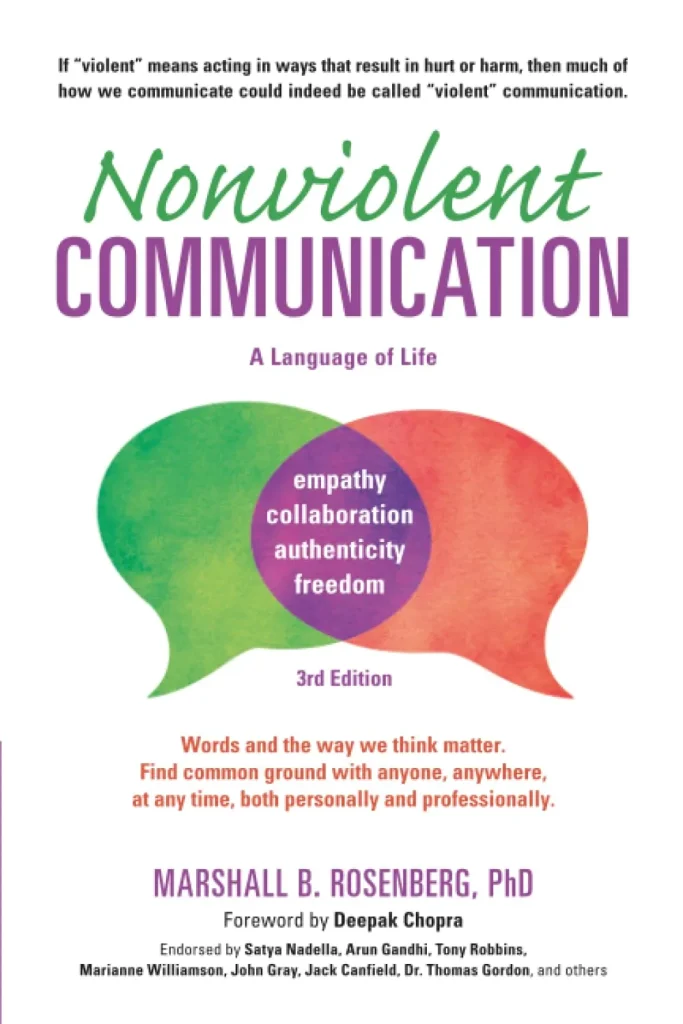
Best for: Expressing feelings without creating conflict
Many people avoid expressing their feelings because they fear conflict.
They think:
“If I say how I feel, they will become upset.”
“If I disagree, it will damage the relationship.”
Nonviolent Communication by Marshall Rosenberg explores a communication approach based on empathy and understanding.
The book focuses on four key elements:
- Observations
- Feelings
- Needs
- Requests
Instead of blaming others, it encourages people to express what they experience in a clearer and more respectful way.
This can be especially useful for difficult conversations.
3. Crucial Conversations
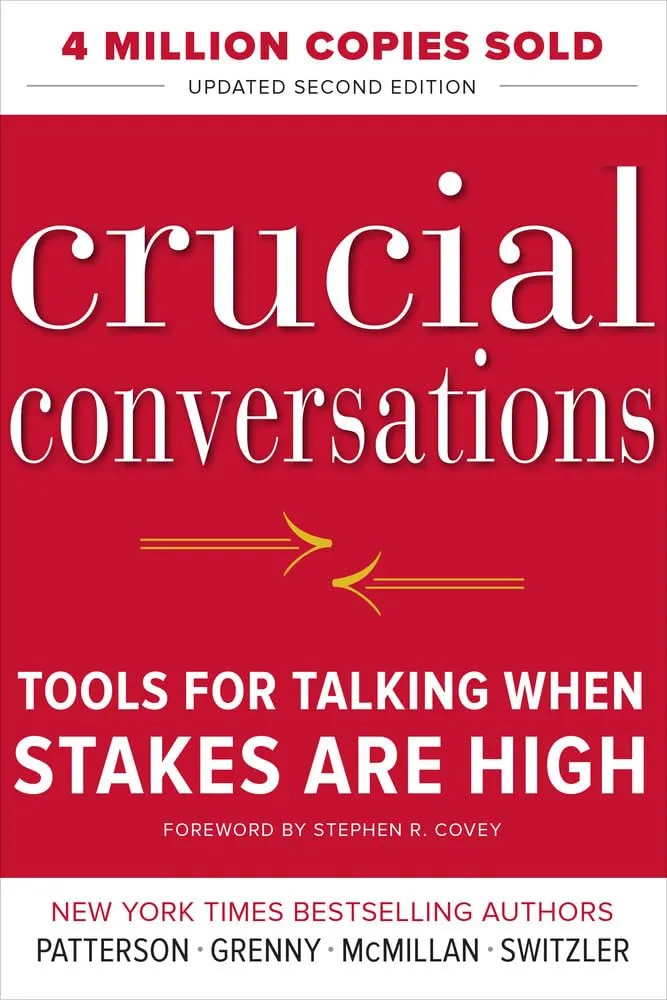
Best for: Handling emotionally difficult discussions
Some conversations feel impossible.
Talking about problems.
Expressing disappointment.
Setting boundaries.
Discussing sensitive topics.
Crucial Conversations explores how people can communicate effectively when emotions are high and opinions differ.
The book helps readers learn how to:
- Stay calm during disagreements
- Create safer conversations
- Express important ideas
- Avoid emotional reactions
For people who tend to avoid difficult discussions, this book provides useful strategies.
Good Communication Is Not About Saying Everything Perfectly
Many people believe they need the perfect words before expressing themselves.
But healthy communication is not about perfection.
It is about honesty and understanding.
A simple sentence like:
“I feel overwhelmed and I need some support.”
can create more connection than staying silent and hoping someone notices.
Expressing emotions is a skill.
And like any skill, it improves with practice.
Your Feelings Deserve to Be Understood
People who struggle to express emotions often do not lack feelings.
They may simply lack the tools to communicate them.
Learning better communication skills can help you:
Build stronger relationships.
Reduce misunderstandings.
Create deeper emotional connections.
The goal is not to become someone who talks constantly.
It is to become someone who can express what truly matters.
Learning to Communicate Changes Your Relationships
The way we speak shapes the way people experience us.
A thoughtful conversation can repair distance.
A clear expression of feelings can prevent resentment.
A better choice of words can create understanding.
Say It Right Every Time is a helpful choice for anyone who wants to improve communication skills and learn how to express themselves more effectively.
Because sometimes the difference between feeling misunderstood and feeling connected is simply knowing how to say what is in your heart.