You leave a conversation and immediately start replaying it. Did I say something wrong? Did they think I was boring? Are they talking about me right now?
You scan faces for signs of disapproval. You read into pauses. You assume the worst when someone does not respond the way you expected.
The fear of being judged is exhausting. It drains energy. It makes you second-guess yourself. It keeps you from saying what you actually mean.
Most people think the solution is to stop caring. But that is not realistic. The real solution is to stop assuming you know what others are thinking in the first place. These three books will help you understand where that fear comes from, and how to stop letting imagined judgments control your life.
How to Read Someone’s Mind by Miles Carter
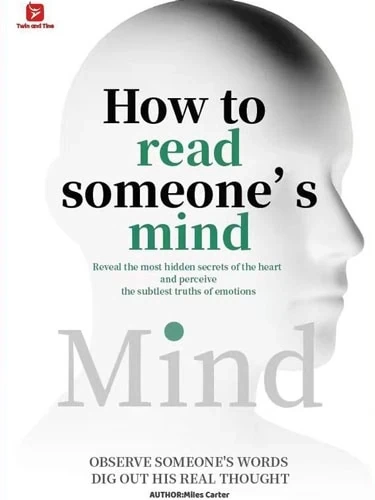
Stop guessing what people think and learn to understand human behavior more accurately
Many people worry about what others think because they are constantly guessing. They ask themselves: “Do they like me?” “Do they think I am weird?” “Are they judging me behind my back?”
The problem is that these questions are unanswerable. You cannot know what someone else is thinking. But your brain does not like uncertainty, so it fills the gap with something. And what it fills it with is often fear rather than fact. The gap between what you know and what you are assuming is where most anxiety begins.
Carter’s book helps you stop filling that gap with worst-case scenarios. He teaches you to observe patterns rather than interpret isolated moments. A single glance means very little. A consistent pattern tells you something real. He helps you distinguish between what you know and what you are assuming.
This book does not teach you to read minds. It teaches you to stop assuming you already know what others are thinking. That shift alone reduces the anxiety that comes from worrying about judgment.
The Courage to Be Disliked by Ichiro Kishimi and Fumitake Koga
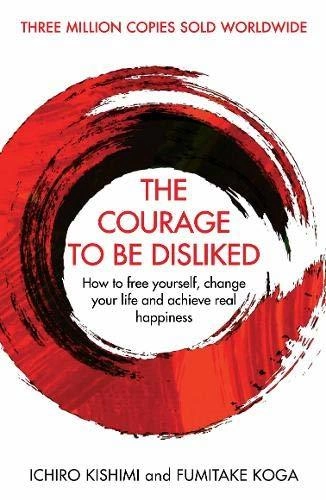
Understand why you need others’ approval
Why does other people’s judgment matter so much? Why does a single critical comment send you spiraling? Why does disapproval feel unbearable?
This book offers a provocative answer: because you have built your life around being accepted. You have made other people’s opinions the foundation of your self-worth.
Kishimi and Koga present the ideas of Alfred Adler, a psychologist who argued that while the past influences us, we are not completely defined by it. We still have choices about how we respond and what we pursue. When people seek approval, they are not doing it because they are weak. They are doing it because they have learned that acceptance feels safe and rejection feels dangerous.
The book challenges one of the deepest beliefs behind people-pleasing: “I need others to approve of me before I can feel confident.” It explains how to separate your life from other people’s opinions, so you can make decisions based on your own values instead of your fear of judgment.
The Gifts of Imperfection by Brené Brown
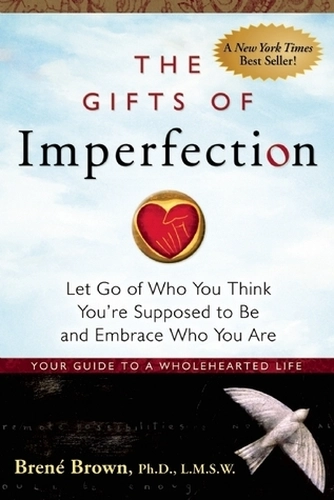
Let go of who you think you should be and embrace who you are
People who constantly worry about judgment often spend their lives trying to become impossible to criticize. They hide their flaws. They perform. They try to be what others want them to be.
Brown’s research explores why shame, perfectionism, and fear of judgment often keep people from showing up honestly. She found that the people who are most connected and fulfilled are not the ones who appear perfect. They are the ones willing to be seen as they are.
Her book is about the courage to be imperfect. It explains how shame works, why vulnerability feels dangerous, and how the fear of “not enough” drives so much of our behavior. Brown offers a different path: not becoming bulletproof to criticism, but becoming so grounded in your own worth that criticism loses its power.
What these three books teach you together
Worrying about what others think is not a character flaw. It is what happens when you try to navigate a world full of people without knowing what they actually think about you.
The first book helps you stop guessing. You replace assumptions with observation, and you stop assuming you know what others are judging you for.
The second book helps you understand why approval matters so much. You see the pattern behind your people-pleasing and start loosening its hold.
The third book helps you let go of the need to be perfect. You stop trying to be beyond criticism and start building a self-worth that does not depend on others’ opinions.
The goal is not to stop caring about people. It is to stop giving imagined judgments the same weight as real ones.
FAQ
Why do I always assume people are judging me?
Because your brain tries to predict social threats before they happen. The problem is that predictions are not the same as facts. Learning to separate the two can change how you experience everyday interactions.
Why do I care so much about what others think?
Caring about others’ opinions is part of being human. The problem is not caring. The problem is making other people’s views the foundation of your self-worth.
How do I stop worrying about being judged?
Start by recognizing that most people are not thinking about you as much as you assume. They are focused on themselves. Second, learn to separate fact from interpretation. Most negative judgments are imagined, not real.
What is the first step to caring less about others’ opinions?
Ask yourself: “Whose opinion actually matters to me?” Not everyone’s opinion deserves the same weight. Choose who you let in.
