You know the moment is over, but your mind keeps going back to it. Maybe you wish you had said something differently, made another decision, or handled the situation with more confidence. Even when there is nothing left to change, your mind keeps returning to the same scene and asking what could have gone differently.
This kind of thinking can feel strangely difficult to stop because it often starts with a reasonable intention. You want to understand what happened and avoid making the same mistake again. But there is a point where reflection stops giving you insight and starts keeping you emotionally attached to something that has already happened.
That is the problem behind much of the search for books for regret and overthinking. People are not necessarily looking for a way to erase the past. They want to stop carrying the same moment around in their heads.
When Looking Back Stops Being Helpful
Thinking about a past mistake can sometimes be useful. You may notice something you would handle differently next time, understand what caused a conflict, or recognize a choice that did not work out well.
The difficulty comes when you keep reviewing the situation without learning anything new. You remember another detail, reinterpret someone’s reaction, imagine a different response, and then run through the entire situation again. The thinking feels active, but the outcome remains exactly the same.
That is often a sign that you have moved from reflection into rumination.
The Past Can Become a Mental “Problem” You Keep Trying to Solve
One reason regret is so persistent is that the mind does not always accept that the situation is finished. Instead, it keeps searching for a better version of what happened, as though enough analysis could somehow rewrite the outcome.
You may ask yourself what the other person really meant, whether you should have noticed something earlier, or whether one different decision could have changed everything. Those questions can feel important, but many of them have no answer that can be proven after the fact.
At some point, the mind is no longer learning from the experience. It is trying to create certainty about something that cannot be changed.
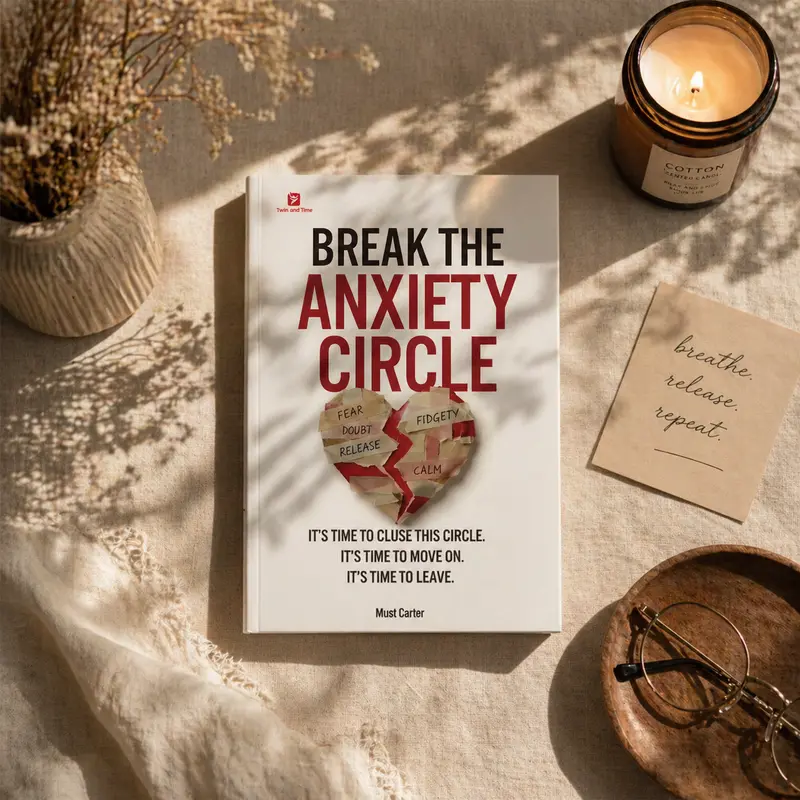
Break the Anxiety Circle by Miles Carter
Break the Anxiety Circle by Miles Carter offers a useful way to look at this pattern. Rather than focusing only on the specific event you regret, the book encourages readers to notice the relationship between an uncomfortable thought, the emotional reaction it creates, and the behavior that follows.
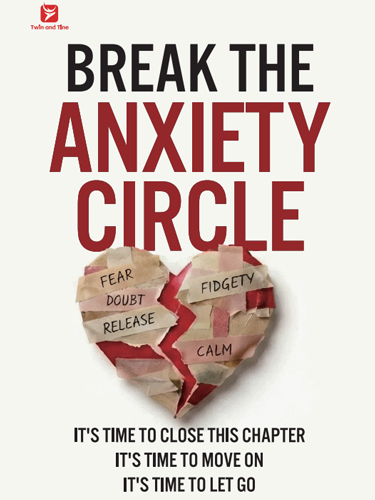
Break the Anxiety Circle
Miles CarterA mental reset for people trapped in the overthinking loop. Understand why your mind won’t stop racing — and how to break free from anxiety, people-pleasing, and emotional exhaustion.
That distinction matters because regret can easily trigger a familiar sequence. You remember something, feel anxious or embarrassed, start analyzing what happened, search for reassurance or another explanation, feel slightly better, and then another detail brings you back to the beginning.
The subject can change, but the cycle remains.
Once you begin recognizing that cycle, you can stop treating every new thought as a fresh problem that needs another investigation.
Ask Yourself What You Are Actually Trying to Accomplish
When you catch yourself replaying an old situation, ask what you hope to get from thinking about it again.
Are you trying to learn something for next time? Do you need to repair something with another person? Is there a practical action you have been avoiding?
If there is a useful action, take it. But if you have already learned what you can and there is nothing left to change, continuing to replay the situation may simply be another way of staying inside the discomfort.
That does not mean the experience was unimportant. It means you have reached the point where more analysis is no longer helping.
Regret Often Gets Stronger When You Imagine a Better Version of the Past
A particularly exhausting form of overthinking is comparing reality with an imaginary version of what could have happened.
You imagine yourself saying the perfect thing, making the perfect decision, noticing the warning sign earlier, or responding more confidently. Because the imagined version contains none of the uncertainty you experienced in the actual moment, the past can start to look much easier than it really was.
The problem is that you are judging your past self with information your past self did not have.
You may know now what happened next, but you did not know it then. Remembering that can make it easier to evaluate the experience fairly rather than endlessly punishing yourself for not predicting the future.
Learn From the Event Without Re-Living It
There is a difference between taking a lesson from something and repeatedly putting yourself through the experience again.
If you realize that you should communicate more directly, prepare differently, or pay attention to a particular pattern, that insight can be useful. Once you have identified what you want to do differently, however, replaying the original situation another twenty times does not necessarily make the lesson stronger.
This is where breaking the mental cycle becomes important. The goal is not to forget what happened but to stop using repeated analysis as a way of dealing with the feelings that the memory brings up.
Notice Your Triggers
Regret does not always appear because the past itself is suddenly important. Sometimes something happening in the present reminds you of an older experience.
A similar conversation can bring back an embarrassing memory. A new decision can remind you of a previous mistake. Even a quiet moment before bed can give your mind enough space to reopen something you thought you had already moved past.
Recognizing these triggers can make the experience feel less random. When you notice that a certain situation consistently pulls you back into old thoughts, you can become more prepared to recognize the pattern rather than automatically following it.
What Break the Anxiety Circle Can Help You Change
The value of Break the Anxiety Circle is that it shifts attention away from trying to win an argument with every individual thought. Instead, it encourages you to examine the larger process that keeps turning uncomfortable thoughts into repeated mental habits.

That is particularly relevant when your regret keeps changing its subject. One week you are thinking about something you said, another week you are questioning a decision, and later you are replaying a completely different situation. The details are different, but your reaction may be the same each time.
Seeing that connection can give you a more useful target. Instead of trying to solve every past event separately, you can start changing the way you respond when the urge to replay appears.
The Past Can Teach You Without Taking Up Your Whole Day
You do not have to choose between forgetting the past and endlessly analyzing it. There is a middle ground in which you acknowledge what happened, take whatever lesson is useful, and then allow the experience to become part of your history rather than a problem you have to keep solving.
That process takes practice because the mind will sometimes return to familiar thoughts automatically. Each time you notice what is happening, however, you have another opportunity to stop the cycle before it turns into another long session of rumination.
A past mistake can be something you learned from without becoming something you have to keep reliving.
Final Thoughts
Regret becomes especially exhausting when reflection turns into repetition. Looking back can help you learn, but replaying the same situation without discovering anything new can keep you stuck in an experience that is already over.
For readers searching for books for regret and overthinking, Break the Anxiety Circle by Miles Carter offers a practical perspective on the pattern behind repetitive thinking. Instead of trying to find the perfect explanation for everything that happened, the book encourages you to notice what happens when the thought returns and begin changing the cycle that keeps pulling you back.