Work can bring together people with very different personalities, priorities, and ways of communicating. One coworker may welcome feedback, while another takes it personally. Some people enjoy sharing ideas, while others are more comfortable keeping their thoughts to themselves. Even when everyone is working toward the same goal, these differences can affect how a team feels and functions.
Books about human nature at work offer different perspectives on these everyday experiences. Some focus on trust and teamwork, others examine how people give and receive support, and some look at the emotions and personal motivations behind workplace behavior. These five books can help you explore the human side of working with others, whether you’re navigating a team, managing people, or simply curious about why people behave differently on the job.
The books are not ranked.
1. The Culture Code by Daniel Coyle
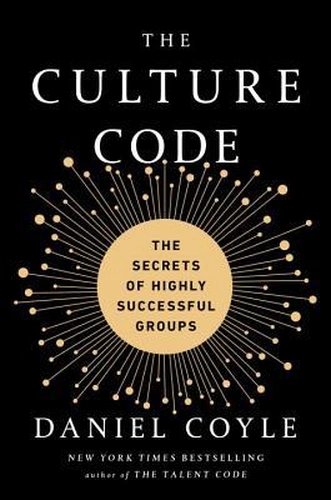
Best for understanding what helps people feel connected to a team.
Some teams seem comfortable exchanging ideas, admitting mistakes, and asking for help. In others, people hesitate to speak up, even when they have something valuable to contribute. The difference isn’t always obvious from the outside.
In The Culture Code, Daniel Coyle examines the behaviors and shared signals that help groups build trust and work together. Drawing on examples from different organizations and teams, he explores how belonging, safety, and a shared sense of purpose influence group dynamics.
This book is a good choice if you’re curious about why some workplaces encourage open communication while others feel distant or difficult to navigate. It offers a closer look at the relationships and everyday interactions that shape a team’s culture.
Category: Team Psychology
2. Give and Take by Adam Grant
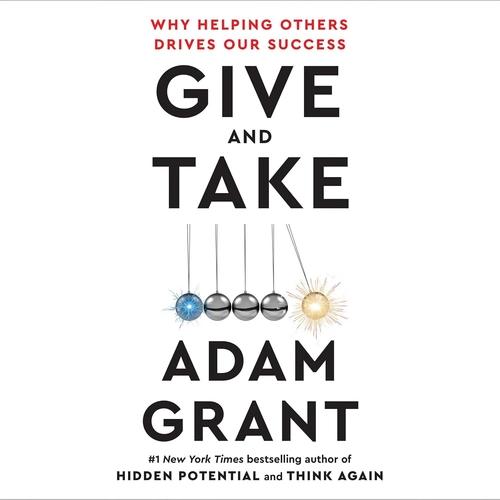
Best for understanding how people approach helping others at work.
In a workplace, people contribute in different ways. Some readily share knowledge and make time for colleagues, while others are more careful about where they invest their effort. These differences can influence professional relationships, collaboration, and how people build a reputation.
Adam Grant explores three broad approaches to interactions: giving, taking, and matching. Through research and workplace examples, Give and Take examines how these approaches affect relationships and professional success. It also considers why helping others can be valuable in some circumstances but costly in others.
If you’ve ever wondered why some generous colleagues thrive while others become overwhelmed, this book offers a useful perspective. It looks at the complexities of cooperation without assuming that everyone has the same motives or responds to the same incentives.
Category: Workplace Relationships
3. Awakening to Human Nature by Owen Pierce

Best for exploring the emotions and personal motivations behind people’s behavior.
A workplace interaction can leave you wondering what really influenced someone’s response. Why did a colleague become defensive over a small suggestion? Why might someone seek recognition for a task that others also contributed to? Why can a simple disagreement become unexpectedly personal?
Awakening to Human Nature examines the psychological forces that shape how people think and act, including pride, insecurity, desire, fear, and the need for approval. These aspects of human nature can influence how people respond to feedback, interpret other people’s actions, and navigate social situations.
For readers interested in the personal side of professional relationships, this book offers a broader lens for thinking about behavior. It can be especially relevant when the same workplace interaction seems to mean different things to different people, or when emotions appear to influence a conversation more than the subject itself.
Category: Human Psychology

Awakening to Human Nature
Owen PierceYou saw the signs. You just didn’t know what they meant yet.
Learn how to notice the patterns behind people’s words, choices, loyalty, pressure, and changing behavior.
4. Crucial Conversations by Kerry Patterson, Joseph Grenny, Ron McMillan, Al Switzler, and Emily Gregory
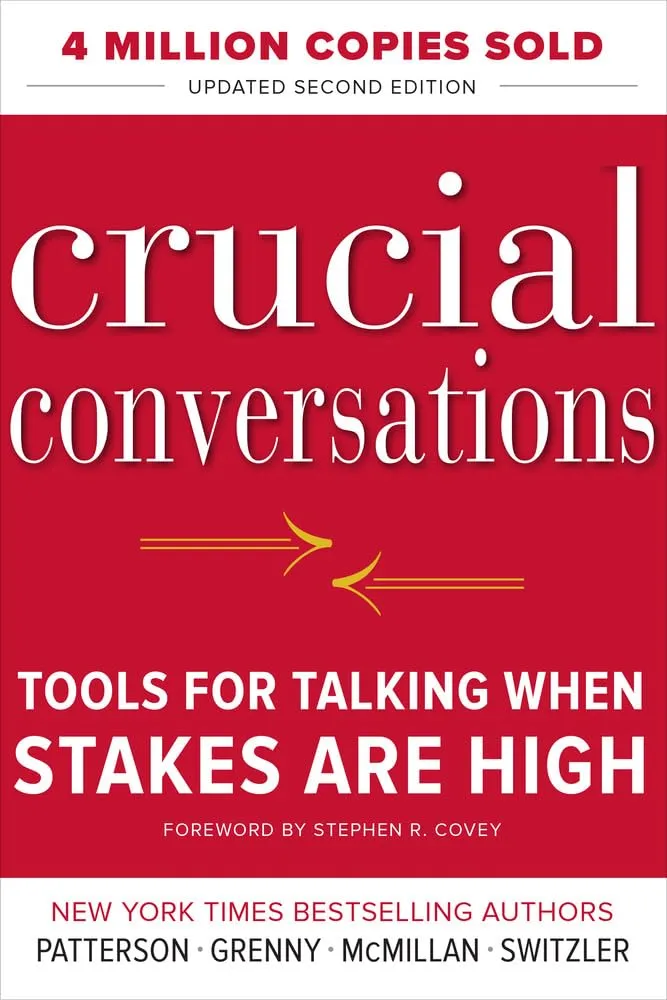
Best for understanding what happens when workplace conversations become difficult.
A conversation about missed deadlines, conflicting expectations, or a disappointing result can quickly become uncomfortable. People may become defensive, withdraw from the discussion, or focus more on protecting their position than explaining what they mean.
Crucial Conversations explores how people communicate when the stakes are high, opinions differ, and emotions run strong. It offers approaches for discussing sensitive issues, making room for different perspectives, and keeping important conversations productive.
This book is particularly relevant if your work involves giving feedback, resolving disagreements, or discussing expectations with colleagues and managers. It focuses on the moments when communication becomes complicated and the way people respond can shape what happens next.
Category: Communication Psychology
5. The No Asshole Rule by Robert I. Sutton
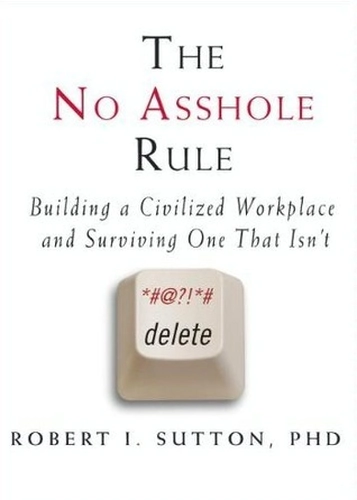
Best for understanding how difficult behavior affects a workplace.
A job can look good on paper and still feel draining when everyday interactions involve humiliation, hostility, or constant disrespect. Sometimes the most difficult part of work isn’t the task itself, but the way people treat one another while getting it done.
In The No Asshole Rule, organizational psychologist Robert I. Sutton examines the effects of persistently demeaning behavior in professional environments. He discusses how these interactions can affect employees, team morale, and the wider workplace, as well as why organizations need to take such behavior seriously.
This book is worth considering if you’re trying to understand why one person’s conduct can affect an entire team. It looks beyond individual personality differences to consider the broader consequences of how people behave at work.
Category: Workplace Behavior
Which Book Should You Read First?
The best starting point depends on the part of workplace behavior you’re most interested in. If you want to understand how teams develop trust, The Culture Code is a natural choice. If you’re curious about cooperation and professional relationships, Give and Take offers a different perspective. For a closer look at the emotions and motivations behind individual behavior, Awakening to Human Nature may be the most relevant option.
If difficult conversations are your main concern, Crucial Conversations focuses on communication under pressure. And if you’re interested in how disrespectful behavior affects colleagues and organizations, The No Asshole Rule addresses that subject directly.
Workplace relationships are shaped by more than job titles and responsibilities. Personal expectations, emotions, communication styles, and group dynamics all play a part. These books offer different ways to explore those influences and find a perspective that fits your own experiences at work.
If you found this helpful, these books go deeper into the same themes.




Break the Anxiety Circle
$19.90

From Debt to Wealth
$19.90

