If you have read Influence by Robert Cialdini, you already know the feeling. It is the book that made you see persuasion everywhere.
But persuasion is only the surface.
The deeper question is: why do people want what they want? Why do they defend beliefs that hurt them? Why do they make decisions that contradict their own values?
These books go underneath persuasion and explain the hidden psychology behind human behavior.
If you liked Influence, you may actually be looking for one of three things
“I want to understand why people make choices”
→ Awakening to Human Nature
“I want to understand why people refuse to change their minds”
→ The Righteous Mind
“I want to avoid being fooled by my own thinking”
→ The Scout Mindset
Awakening to Human Nature by Owen Pierce
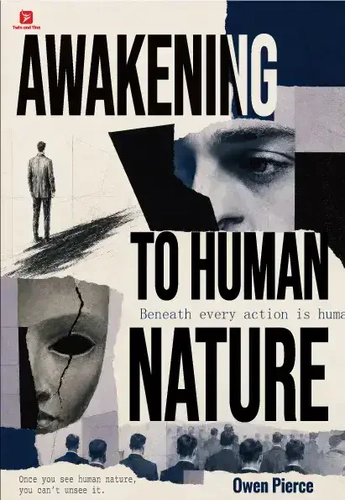
Go beyond persuasion and understand what drives behavior
Cialdini explains the triggers that get people to say yes. But before persuasion works, something deeper is already happening: people are driven by needs, incentives, emotions, status concerns, and self-image.
Pierce focuses on those hidden forces. His book reveals the architecture beneath every decision. Why does someone agree in the moment but change their mind later? Why do people say they value one thing but consistently choose another? Why do incentives work better than arguments in changing behavior?
Where Influence shows you the surface mechanisms, Awakening reveals the underlying machinery. It helps you understand not just what people do, but why they do it.
Why it fits: Influence is about the rules of persuasion. This is about the game board itself.
What you will learn: The hidden drivers behind human decisions and the patterns that shape behavior across situations.
The Righteous Mind by Jonathan Haidt
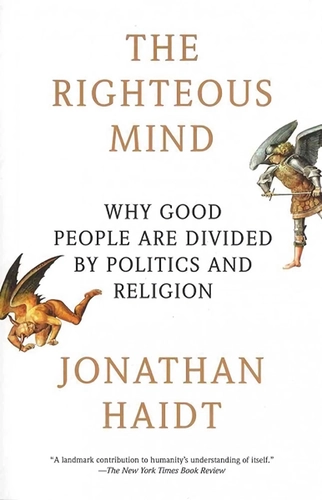
Understand why people defend their beliefs
Cialdini shows how external forces shape agreement. Haidt shows how internal forces shape belief.
The Righteous Mind is about why people hold the beliefs they do and why they defend them so fiercely. It explains why facts often fail to change minds, why people defend beliefs that hurt them, and why disagreement becomes emotional so quickly.
Haidt argues that human beings are not primarily rational when it comes to morality. They are intuitive, emotional, and deeply social. Reason often enters the picture late, serving as a lawyer rather than a judge. People do not adopt beliefs because they have evaluated all the evidence. They adopt beliefs because those beliefs feel right, fit their social identity, and bind them to their group.
This explains why political opponents seem “blind” to the obvious. It explains why people double down instead of changing their minds. It explains why arguments so often fail.
Why it fits: Influence explains how people get persuaded. The Righteous Mind explains why they stay persuaded.
What you will learn: How moral intuition, identity, and group belonging shape why people believe what they believe.
The Scout Mindset by Julia Galef
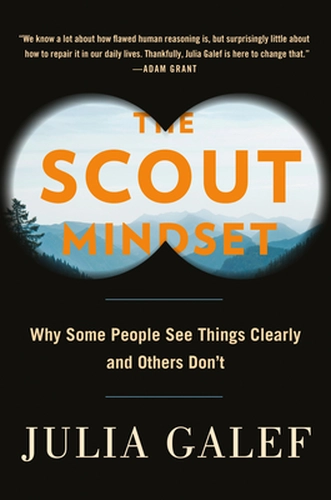
Understand why your own mind can mislead you
Influence teaches you how other people influence your decisions. The Scout Mindset teaches you how your own mind influences your decisions.
Galef’s book is about the difference between two mental orientations. The “soldier mindset” protects existing beliefs. It defends, attacks, and seeks evidence that confirms what you already think. The “scout mindset” seeks the truth—even when it is uncomfortable, inconvenient, or undermines your position.
Most people default to soldier mode. They do not realize it. They think they are being objective when they are actually being defensive.
The book provides practical tools to shift toward scout mode. Not to become emotionless or detached, but to become more accurate about what is actually true.
Why it fits: Influence reveals how others influence you. This reveals how you influence yourself—usually toward protecting your own beliefs.
What you will learn: How to recognize when you are defending instead of thinking, and how to get closer to what is actually true.
Quick comparison
| Book | Best for understanding | Start here if… |
|---|---|---|
| Awakening to Human Nature | Why people behave the way they do | You want to understand what drives decisions before thinking about persuasion |
| The Righteous Mind | Why people believe what they believe | You are frustrated by people who refuse to change their minds |
| The Scout Mindset | Why your own thinking can mislead you | You want to catch your own blind spots and biases |
What these books together reveal
Influence teaches you to see persuasion. These three books teach you to see the full human decision system.
The first book shows you the forces that drive behavior beneath awareness. You stop being surprised by what people choose.
The second book shows you why beliefs become fixed and defended. You stop being frustrated by people who cannot see the obvious.
The third book shows you how your own mind distorts reality. You stop being certain you are always right.
Together, they move beyond “how to persuade” into “how to understand.” That is a deeper kind of influence.
FAQ
What books are similar to Influence by Robert Cialdini?
Rather than only studying persuasion techniques, books like The Righteous Mind, The Scout Mindset, and Awakening to Human Nature explore the deeper psychology behind decisions, beliefs, and behavior. They answer not just “how are people persuaded?” but “why do people think the way they do?”
Is there a book better than Influence for understanding human behavior?
Not “better.” Different. Influence focuses on persuasion techniques. These books explore the deeper psychology behind why people think, decide, and behave the way they do. They answer questions Influence does not ask.
What is the best book for understanding human behavior?
Depends on what you want to understand. For why people make choices, start with Awakening to Human Nature. For why people defend their beliefs, read The Righteous Mind. For why people misunderstand reality, turn to The Scout Mindset. Each covers a different piece of the same puzzle.
Why do people make irrational decisions?
Because decisions are influenced by more than logic. Identity, emotions, social pressure, and self-interest often shape choices before conscious reasoning begins. People are rarely as rational as they assume themselves to be.
