You have heard the advice before: save more, invest earlier, spend less than you earn.
You know it. You agree with it. You just do not do it.
That is not a character flaw. It is a design problem. You are trying to make good financial decisions manually, every single month, with willpower alone. That is never going to work. The people who build wealth are not more disciplined. They have just designed their systems so discipline is not required.
The book that started this conversation was The Automatic Millionaire. It made one simple argument: set it and forget it. Automate your savings and investments so you never have to make the decision again.
The three books below each approach automation from a different angle. One rewires how you think about wealth, showing you why systems matter more than effort. One gives you a simple system for splitting your money so you save without thinking. One shows you why buying consistently matters more than buying perfectly.
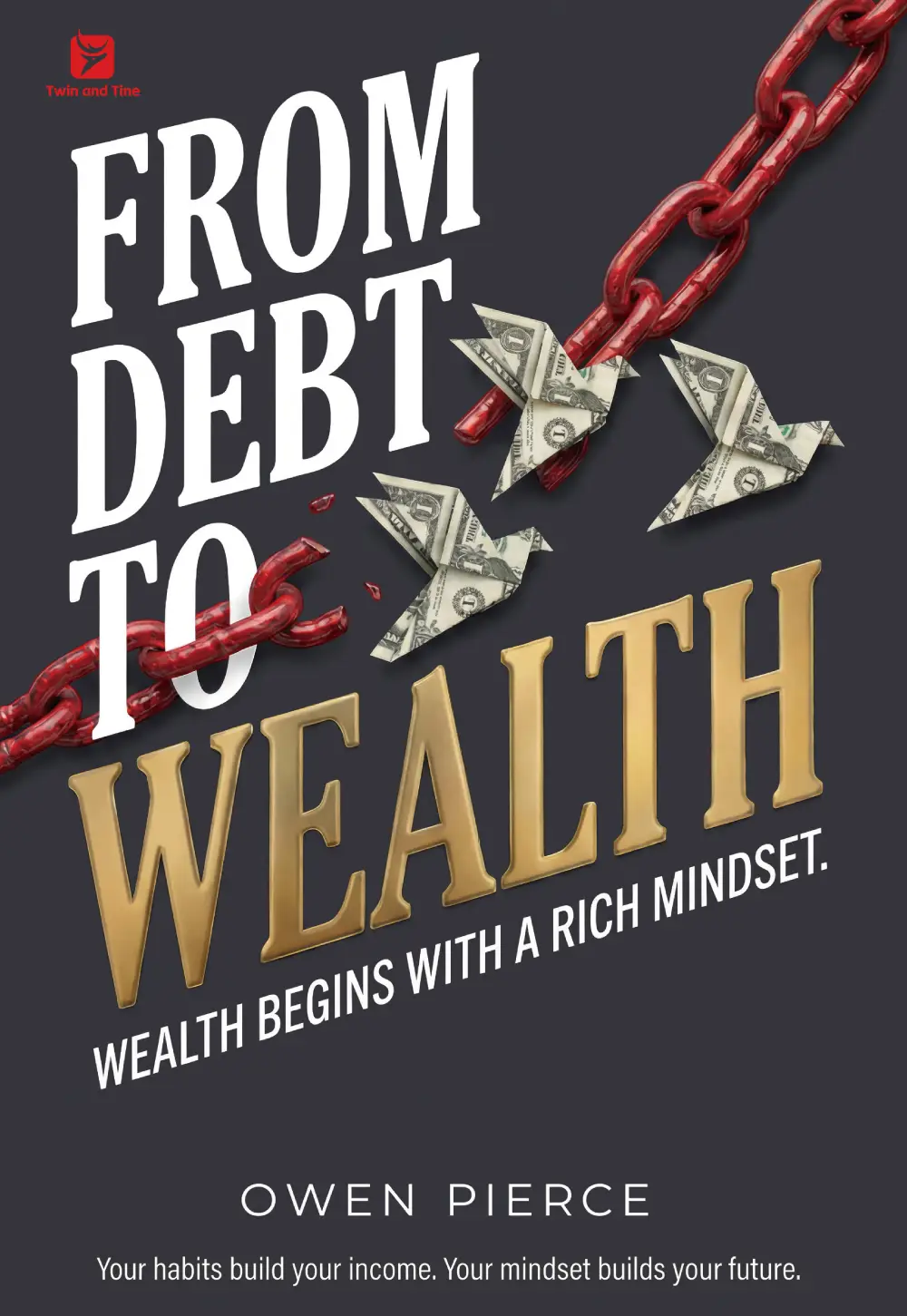
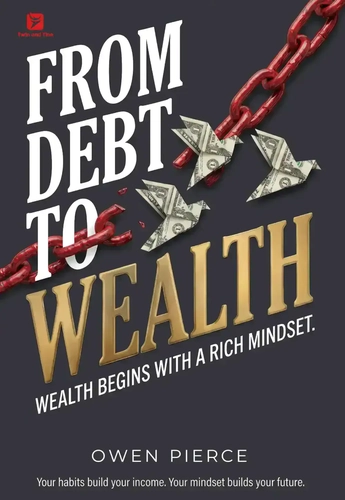
From Debt to Wealth by Owen Pierce
Why do systems matter more than effort?
Most people believe wealth is a reward for hard work. Work more hours. Earn a bigger paycheck. Buy things that signal success. And end up deeper in debt.
Pierce flips this. Wealth is not compensation for effort. It is compensation for cognition. It comes from making money work for you, not trading time for income. It grows when you invest in yourself, leverage resources, and build assets instead of buying liabilities.
The book explains why a salary is a starting point, not a destination. Why luxury drains wealth instead of building it. Why the poor seek comfort while the rich embrace discomfort. And why the fastest path to financial freedom is not a bigger paycheck—it is a better system.
What makes this book relevant for automation is the focus on structure over willpower. The people who build wealth do not rely on motivation. They build systems that make good decisions automatic. They separate themselves from their money so they do not spend what they do not see.
For anyone who keeps earning more and feeling poorer.
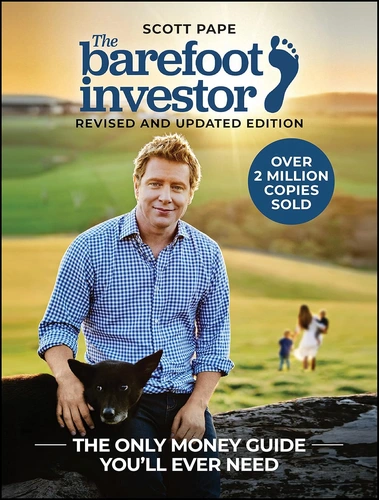
The Barefoot Investor by Scott Pape
What if your money could be divided and automated without thinking about it?
Pape wrote this book because he saw the same problem over and over: people know they should save, but they never do. Their money sits in a single account. Bills come out. They spend what is left. And at the end of the month, there is nothing.
His system is built around the idea of splitting your money into separate accounts as soon as it arrives. One for bills. One for daily spending. One for saving. One for investing. One for fun. The money does not mix. You never see it all together. And you never spend what you intended to save.
What makes this book valuable is the simplicity. You do not need spreadsheets or financial expertise. You need a few accounts and an hour to set them up. Once it is done, your money flows where it is supposed to go—automatically, every month, without you making the decision.
For anyone who needs a simple system that works without requiring constant attention.
Just Keep Buying by Nick Maggiulli
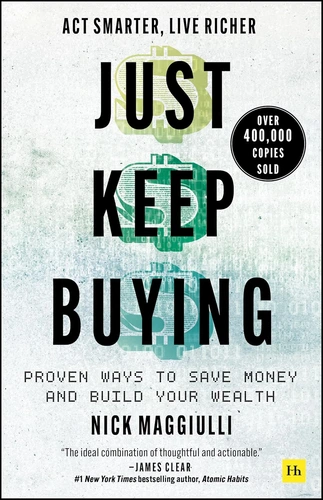
What if the secret is not buying well—but buying consistently?
Maggiulli, a data scientist who writes about personal finance, asked a simple question: what actually separates people who build wealth from people who do not?
His answer is based on data, not opinions. Saving more matters. Investing early matters. But the single biggest factor is consistency. The people who build wealth are not the ones who time the market perfectly. They are the ones who keep buying—every month, regardless of what the market is doing.
The book explains why most people fail at investing. They stop buying when markets drop. They wait for the perfect moment. They let fear and greed drive their decisions. The solution is to automate the process and never stop.
What makes this book essential for automation is the data. It shows you why consistency beats intelligence in investing. It gives you permission to stop worrying about picking the right stock and start focusing on buying regularly, no matter what.
For anyone who wants to understand why consistent buying beats perfect timing.
These three books each approach automation from a different angle. Pierce rewires how you think about money and systems. Pape gives you a system that splits your money so you never spend what you intended to save. Maggiulli shows you why consistency matters more than perfection.
If you want to stop spending what you should be saving, start with the one that matches where you are stuck. Need to rethink what wealth actually is? Start with Pierce. Need a system you can set up today? Start with Pape. Need to understand why consistency matters more than timing? Start with Maggiulli.
The automatic millionaire is not richer than you. They just built a system that works without them.