You read The Psychology of Money. You loved it. The stories, the humility, the way Housel made you feel like your financial struggles were not about intelligence—they were about behavior.
But something nagged at you. If behavior is the key, how do you actually change yours?
Housel gives you the why. These three books give you the what now. They help you look at your own spending, understand the hidden drivers behind it, and finally do something about it.
| Book | Core Focus | Best For |
|---|---|---|
| From Debt to Wealth by Owen Pierce | The cognitive patterns behind spending and saving | People who know they behave badly with money but do not know why |
| The Why Axis by Uri Gneezy & John List | How incentives and context shape spending decisions | People who want to understand the external forces that drive their choices |
| Atomic Habits by James Clear | Replacing bad habits with good ones through systems | People who need to change behavior, not just understand it |
From Debt to Wealth by Owen Pierce
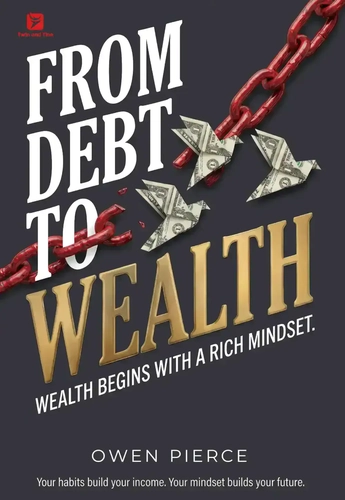
Why do you keep spending the way you do?
You know you should save. You intend to. But somehow, the money disappears. A raise comes—and you are just as broke as before.
Pierce argues that spending habits are not about willpower. They are about cognition. How you think about value, status, and comfort shapes every dollar decision.
What this book reveals about your spending:
· You buy to signal, not to enjoy. Luxury is often a display of money you do not have. You spend to look successful, then feel the weight of that decision later.
· You mistake liabilities for assets. That house, that car? They are not building wealth—they are draining it. Pierce names the difference so you cannot unsee it.
· You reward yourself into staying stuck. Every paycheck gets a “treat.” That treat is the reason you stay where you are.
· You avoid discomfort—and that avoidance costs you. The rich embrace discomfort (delayed gratification, hard conversations). The poor seek comfort and pay for it.
Pierce does not just name these patterns. He gives you a framework to break them: how to stop living paycheck to paycheck, how to save $10k in 90 days, and how to think about money like someone who builds wealth—not just earns a salary.
For anyone who knows they behave badly with money and wants to finally understand why.
The Why Axis by Uri Gneezy and John List
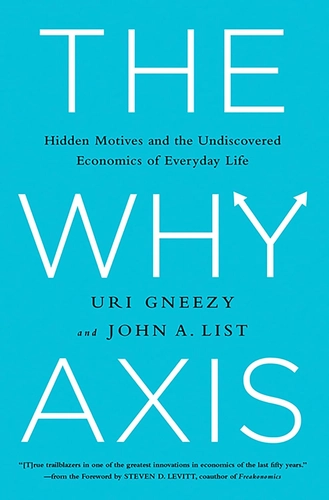
What if your spending is not your fault?
Gneezy and List are behavioral economists who study what actually drives human behavior—not in labs, but in the real world. They discovered something surprising: context and incentives shape our decisions more than our intentions.
You are not spending because you are weak. You are spending because the environment is designed to make you spend. Free shipping. One‑click checkout. The emotional high of a sale.
What this book shows you:
· How small changes in context change behavior. An extra fee makes people delay payment. A default option changes everything. You are being nudged constantly—and you do not even notice.
· Why incentives backfire. When you try to change your spending by “rewarding” yourself for saving, the reward often undoes the saving.
· How to design your own environment. Once you see how context shapes you, you can build systems that work with your psychology, not against it.
For anyone who wants to understand why they spend the way they do—and how to change the environment that shapes it.
Atomic Habits by James Clear
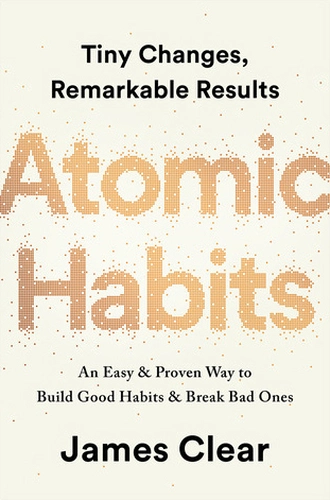
How do you actually change a spending habit?
You understand yourself. You understand the environment. But you still reach for your wallet.
Clear’s book is the practical bridge between understanding and action. He argues that habits are not broken by willpower—they are replaced by better systems.
How this book helps your spending habits:
· It focuses on identity, not outcomes. Instead of “I want to save money,” you become “I am someone who builds wealth.” This identity shift changes every decision.
· It uses small changes. Atomic habits are tiny adjustments that compound over time—like Housel’s “rich people stay rich because they stay patient” but applied to daily behavior.
· It makes good habits easy and bad habits hard. Put your savings on autopilot. Delete the shopping apps. Make it easier to do the right thing than the wrong thing.
For anyone who knows what to do but keeps doing the opposite.
If you want to understand the hidden reasons you spend the way you do, start with Pierce. If you want to understand the external forces shaping your choices, read Gneezy and List. If you are ready to build systems that actually change behavior, go with Clear.
