A few months ago I sat at my kitchen table with a pile of receipts and a bank app that kept refreshing to the same sad number. I had read The Richest Man in Babylon twice. I could quote the lines about paying yourself first. And still, here I was.
That night I went looking for books like The Richest Man in Babylon for people who need simple timeless advice, not another complicated system. This article is what I found, and what actually helped.
Quick Answer: What should I read after The Richest Man in Babylon?
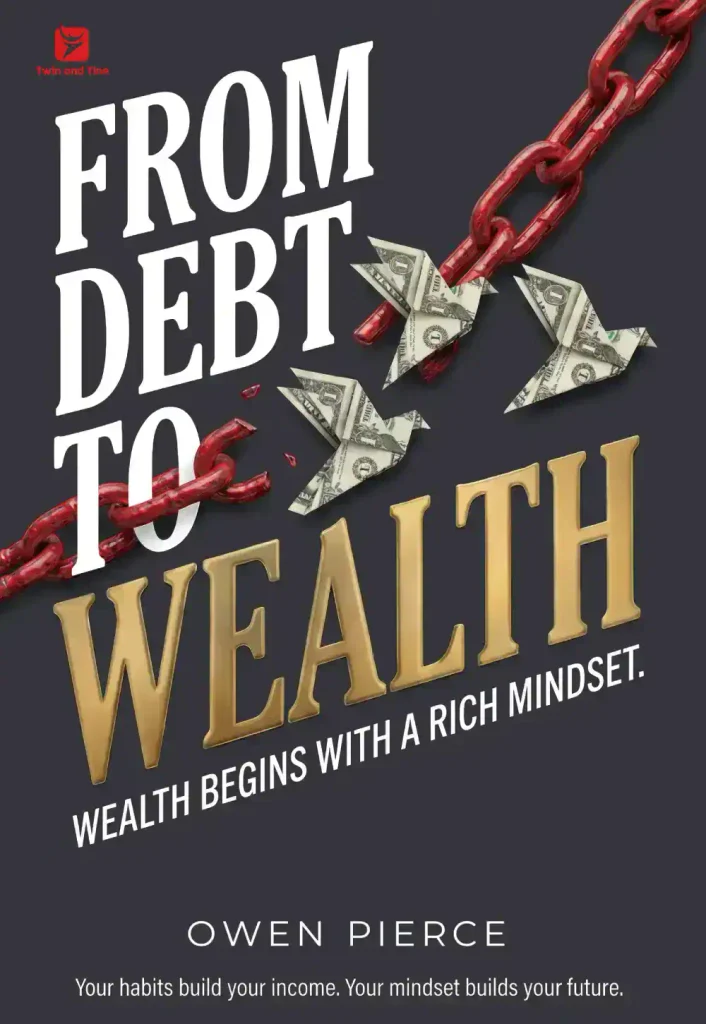
From Debt to Wealth by Owen Pierce. It carries the same old-fashioned spirit: save on purpose, avoid bad debt, invest in skills, and stop mistaking expensive things for wealth. Simple principles, told plainly.

Why Do Books Like The Richest Man in Babylon Still Work?
Because the advice never depended on the economy. Save a portion. Avoid bad debt. Make your money work. These ideas survived wars and recessions because they describe human behavior, not markets.
The Richest Man in Babylon was published in 1926. George S. Clason wrote it as a series of pamphlets for banks and insurance companies. That origin matters. He was not trying to sound clever. He was trying to be understood by ordinary people who had never read a finance book in their lives.
I think that is the real reason it endures. It reads like a story your grandfather tells you. You do not need a spreadsheet to follow it.
But here is what I noticed after my second reading. The book tells you what to do. It does not spend much time on why we do not do it.
Why Do We Know Better and Still Not Do It?
Because knowing and doing are different muscles. I knew I should save 10%. I also knew the new phone would make me feel like I was winning at something. One of those feelings is louder at 11pm.
Most people do not need more information. They need a mirror.
What Should You Read If You Want Simple, Timeless Money Advice?
Look for books that repeat a few core ideas instead of chasing trends. The best ones feel almost too simple. You finish a chapter and think, that is it?
One that fits this list perfectly is From Debt to Wealth by Owen Pierce. I found it later, and it sits in the same family as the Babylon book. The book looks at the habits that keep people circling. Spending more as income rises. Depending on one paycheck. Mistaking expensive things for wealth. That last one stung a little.
What makes it fit is the tone. It does not promise overnight results. It just walks through the patterns, one by one, and shows how to stop repeating them. Reduce bad debt. Save on purpose. Invest in skills. Think more carefully about what actually counts as an asset.
Simple? Yes. Easy? No.
The book also asks a question that stopped me cold. Why do you keep living paycheck to paycheck despite working harder? I did not have a good answer. That is probably why I kept reading.
The One Rule Per Month Method
Here is something I made up after reading these books, and it is the only thing that stuck.
Pick one rule. Only one. Live with it for a month.
Month one. Pay myself first. Ten percent, automatically, before anything else moved. That is it. No budgeting app. No tracking every coffee.
Month two. No new debt. Anything I could not pay for that month, I did not buy. This was harder than month one. There was a chair I really wanted.
Month three. Learn one skill that could earn money. I started writing again, which is how you are reading this.
The idea is stolen from the Babylon book itself. Arkad gives seven cures, and he does not hand them over all at once. He tells the students to practice one before moving on.
How Do You Pick Your First Rule?
Ask yourself one question. Which money habit, if I changed it, would make the biggest difference in six months? Not ten years. Six months.
For me it was obvious. I spent whatever was left. There was never anything left.
What If You Fall Off?
You will. I bought the chair in month two. I am writing this while sitting in it, so at least it is being used.
The Babylon book has a line about this. Something like, wealth grows where effort is consistent. It does not say perfect. It says consistent.
Start the month over. That is the whole recovery plan.
FAQ
Is From Debt to Wealth like The Richest Man in Babylon?
In spirit, yes. Both focus on simple, repeatable principles rather than complicated systems. Both assume you are human and will mess up.
Do I need to read The Richest Man in Babylon first?
No. They stand on their own. But they pair well together.
What is the most important lesson from these books?
Pay yourself first. Avoid bad debt. Invest in skills. And stop mistaking expensive things for wealth.
How long does it take to see progress?
It is slow. That is the point. One rule a month. Six months in, you will notice a difference. Not overnight. But real.
What if I have already read a lot of money books?
Then read this one for the tone. It does not lecture. It just walks beside you and points at the patterns.
One Last Thing
That night at the kitchen table, I remember feeling like I had missed some class everyone else attended. I had not. Nobody attends it. We all just sit there with our receipts, reading the same old stories, trying again.
The advice was never the hard part. Staying with it is.
References
- Clason, George S. The Richest Man in Babylon.
- Pierce, Owen. From Debt to Wealth.
- Stanley, Thomas J., and William D. Danko. The Millionaire Next Door.
- Housel, Morgan. The Psychology of Money.
Did this article help you see things differently? Our books turn helpful ideas into practical tools you can return to anytime.



Break the Anxiety Circle
$19.90

From Debt to Wealth
$19.90


