After The Righteous Mind: Books About Why People Only Believe What They Want
I finished The Righteous Mind last month. I closed the book and sat there for a while. Jon Haidt explained the elephant and the rider so clearly. Intuition first, reasoning second. I thought I finally understood why my uncle shares those wild political posts.
Then I tried to explain it to my brother. He nodded. He said, “So people are just stupid then?”
No. That is not what Haidt said. But I could not explain the difference well enough. I understood the concept but I could not see it working in real life. I needed something more practical.
Maybe you feel the same. You read the theory. You nodded along. Now you want to know what to read after The Righteous Mind when you need to see this pattern in your own relationships. Because knowing why people believe what they want is one thing. Spotting it before it costs you something is another matter entirely.
Why do people only believe what they want to believe, even with clear facts against them?
The short answer is comfort. The longer answer involves the way our brains protect our sense of self.
I watched this happen with my neighbor last year. His son dropped out of college. The kid had been struggling for two years. My neighbor kept saying the boy was “finding himself.” He ignored every warning sign. The grades. The missed calls. The empty fridge.
When the truth finally arrived, it did not hit him like a surprise. It hit him like a betrayal. He was not angry at his son. He was angry at himself for not seeing it. But he could not have seen it. He was protecting something.
That is what Haidt’s work points toward. We believe what protects our story about ourselves. The story where we are good parents. Good spouses. Good people who make sensible choices.
The books I picked up after The Righteous Mind all deal with this same muscle. The one that flexes when our identity feels threatened. Some of them made me uncomfortable. That was the point.

What is the best book to read after The Righteous Mind to understand motivated reasoning?
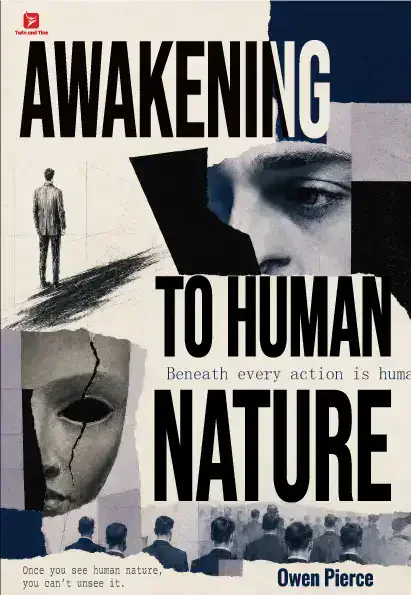
For me, it was Awakening to Human Nature by Owen Pierce.
This book does something Haidt does not really do. It takes the theory of moral intuition and walks it through daily life. Pierce looks at the hidden rules behind why people behave the way they do. He does not just explain that people rationalize. He shows you the exact moments it happens.
There is a chapter about why kindness is often exploited. It made me put the book down. Then I picked it up again. Because I have been the person who gives and gives. And I have wondered why some people in my life never seemed to see me clearly. They saw what I could do for them. That was the belief they wanted to keep.
Pierce uses this idea of hidden motives. It sounds cynical at first. But it is not. It is practical. He writes about how people crave validation over truth. How loyalty changes when needs change. How the smartest voices in the room often get attacked because they threaten the group’s comfortable story.
What I appreciated most was the section on emotional pressure. Pierce does not tell you to become cold. He tells you to see clearly. To recognize when someone is using your guilt or your sympathy to keep you in a role that serves them.
If Haidt explains the machinery, Pierce teaches you how to read the control panel.
How can I spot when someone is believing what they want instead of what is true?
I started paying attention after reading Pierce. Not to politics. To my own family.
My sister has a friend who is always in crisis. Every month. A new emergency. My sister drops everything. She loans money she cannot spare. She cancels plans.
I asked her once if she saw the pattern. She got defensive. She said, “You do not understand her. She needs me.”
That sentence. “She needs me.” That is the belief my sister wants to keep. It makes her feel essential. Valuable. The alternative is painful. The alternative is that her friend uses her. And that would mean my sister has been used for years. That is a hard truth.
Pierce has a line about this. Something about how people protect themselves from the cost of admitting they were wrong about someone. That cost is not financial. It is identity. Admitting you were used means admitting you were naive. Nobody wants that.
So here is what I learned to look for. When someone rejects a fact, do not look at the fact. Look at what the fact would cost them. If accepting the truth would force them to rewrite their story about a person or a situation, they will fight it. They will fight it even if the evidence is airtight.
What practical tools can I use to stop fooling myself in daily decisions?
Pierce offers what I call the Interest Check. It is simple. Before you accept someone’s explanation, ask one question. What do they gain if I believe this?
I know. It sounds transactional. But try it on small things.
A coworker tells you the project failed because the client changed their mind. Fine. What does your coworker gain if you believe that? They avoid responsibility. Now look at the timeline. Did the client change their mind before the deadline or after your coworker missed it?
A friend tells you she forgot your birthday. What does she gain if you believe that? Nothing much. It is probably true.
See how this works? The Interest Check is not about being paranoid. It is about noticing when an explanation is too convenient. When the explanation protects someone else’s comfort at the cost of your clarity.
I use this with my kids now. Not in a manipulative way. When my son says he did not hear me ask him to clean his room, I pause. Did he actually not hear? Or does he gain something by claiming he did not hear? He gains a free pass. So I walk him back to the moment. I ask him what he was doing when I called. He usually remembers.
This is what I wanted after The Righteous Mind. Not more theory. A way to see clearly without becoming bitter.
What about when I am the one believing what I want?
This is the hard part. It is easy to spot motivated reasoning in others. Almost impossible to spot in yourself.
I thought I was a good judge of character. Then I stayed in a friendship for two years too long. I kept making excuses. “She is going through a hard time.” “She does not mean it.” “I am being too sensitive.”
Every excuse protected the same belief. If I admitted she was not a good friend, I would have to admit I had chosen badly. And that would hurt.
Pierce talks about self-deception as a survival instinct. We lie to ourselves because the truth is expensive. The truth would require change. And change is risky.
The tool here is the opposite of the Interest Check. Ask yourself: what am I losing by keeping this belief? If the answer is something real, you are probably protecting yourself from a painful truth.
What should I read after the motivation books for lasting change?
If you want the full picture, pair Awakening to Human Nature with something on how groups shape belief. Haidt covers the group angle well. But for the personal side, Pierce is the better next step.
I will be honest. Reading this stuff changed how I talk to people. I am less surprised when someone rejects facts. I am less hurt when someone chooses comfort over truth. I still get frustrated. But I understand the mechanism now.
And understanding the mechanism makes it easier to respond with patience instead of anger.
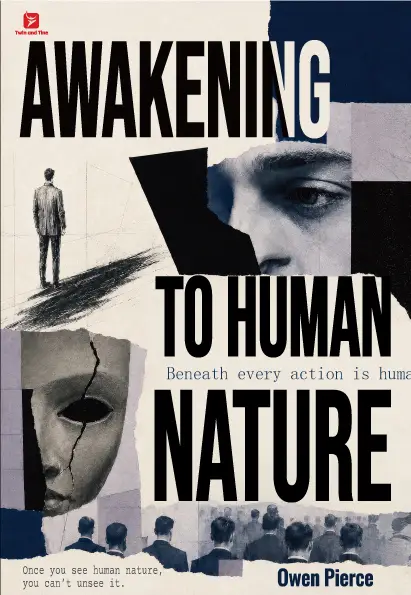
Awakening to Human Nature
Owen PierceA practical guide for understanding hidden motives, social patterns, emotional pressure, and manipulation—so you can read situations more clearly and protect your boundaries with confidence.
How can I talk to someone who refuses to see the truth without destroying the relationship?
This is the question I always come back to. You cannot force someone to see. You can only decide how you want to respond.
My rule now is simple. I do not argue with the belief. I ask about the cost. If someone tells me something that contradicts what I know, I ask a gentle question. “What would it mean for you if that were not true?”
Most of the time, they go quiet. They do not answer. But they heard the question.
And that is enough. Because I am not responsible for their awakening. I am responsible for my own clarity. Pierce’s book helped me understand that line. I cannot make anyone see what they are not ready to see. But I can stop pretending I do not see it myself.
One Last Thing: I still think about my neighbor and his son. I saw him last week. He said, “I should have known.” I did not say anything. Because I have been him. I have been the person who believes what they want until reality makes it impossible. The books helped me see it sooner. That is all anyone can ask for. To see it a little sooner next time.