I remember the exact moment I realized my credit card statements were not just bills. They were a weight I carried into every conversation with my husband. We would sit at the kitchen table, silent, watching the interest grow. I kept searching for books like the total money makeover for getting out of debt fast, hoping someone, anyone, had a plan that did not require us to sell a kidney. Does that sound familiar? Do you feel that same tightness in your chest when you check your bank app?
I have read the classic debt books. Some of them felt like being yelled at by a drill sergeant. Others were too gentle, all theory and no steps. I needed something in between. I needed a book that understood the shame and the math. That is when I found a different approach, one that treats debt as a symptom, not the disease. Let me walk you through what actually helped our family, and what might help yours.
Why Do Books Like the Total Money Makeover for Getting Out of Debt Fast Fail Some Readers?
Here is the uncomfortable truth I learned. Most debt books focus on the budget spreadsheet. They tell you to cut coffee and eat beans. That works for a month, maybe two. But then life happens. The car breaks down. The kid needs braces. And suddenly, you are back to square one, feeling like a failure.
The real issue is not your math skills. It is your money mindset. I used to believe that earning more would fix everything. So I chased overtime. My husband picked up side gigs. We made more money, yet somehow, we had less at the end of the month. Why? Because we upgraded our lifestyle every time our income rose. We were not poor. We were trapped in a cycle of earning and spending that went nowhere.
Most people are stuck in that loop. They work harder, chase a bigger paycheck, buy things to impress others, and end up deeper in debt. The books that actually work are the ones that break this loop. They do not just give you a budget. They rewire how you think about money itself. Have you ever wondered why some people earn average salaries and still build wealth? What do they know that you do not?
What Book Is Like the Total Money Makeover But Goes Deeper Into Psychology?
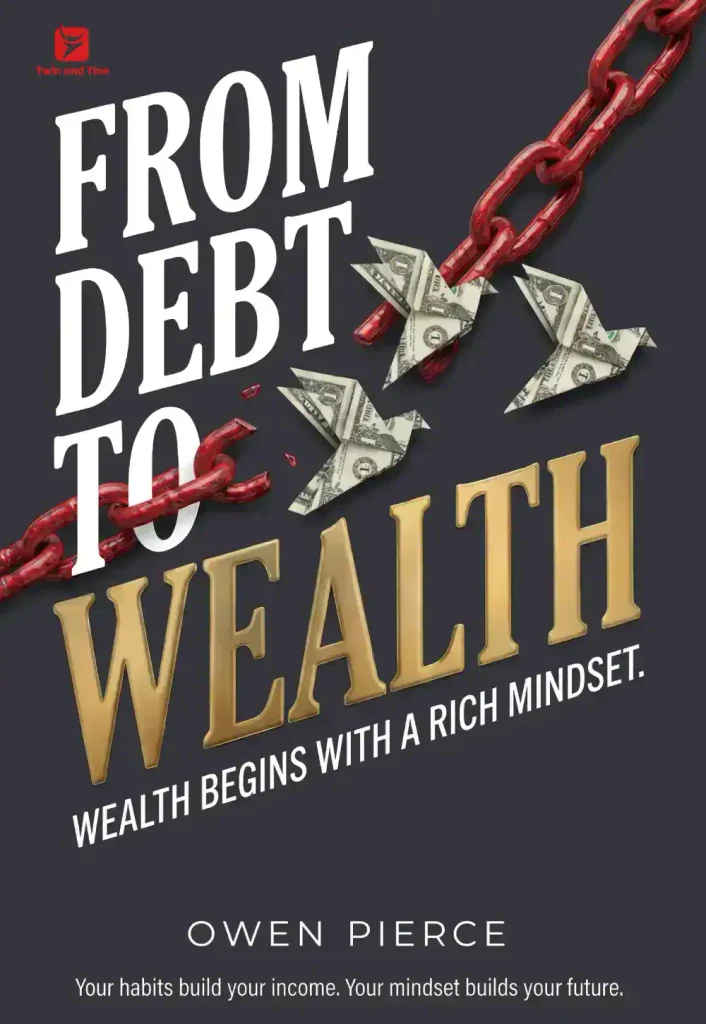
If you want a book like the total money makeover for getting out of debt fast, but one that digs into the mental side, you need to look at From Debt to Wealth by Owen Pierce. This one changed our approach completely. It does not just tell you to stop spending. It explains why you spend in the first place.
Pierce argues that wealth is not a reward for hard work alone. It is compensation for your cognition. That hit me hard. I was working hard, sure. But I was not thinking about money intelligently. I was consuming to feel better about my stressful job. I was buying lunch because I was too tired to pack one. I was spending money to soothe my anxiety, which only created more anxiety.
The book helped me see that wealth does not come from working more hours. It comes from making money work for you. That is a completely different game. It asks questions like, “Are you building real assets or flashy liabilities?” and “Are you investing in yourself or just your image?” These are the questions that the standard debt books skip.
Here is what I did after reading it. I stopped asking how to save a dollar on groceries. I started asking how to earn money while I sleep. That shift changed our entire financial trajectory. Does that sound too good to be true? Let me show you the specific steps we took.
How Can You Use the “Asset Shift” Framework to Escape Debt?
I call it the Asset Shift. It is a simple two-part framework that I built after combining ideas from several books like the total money makeover for getting out of debt fast, specifically the practical steps from From Debt to Wealth.
Part One: Eliminate the Bad Debt.
This is the classic advice. List every debt. Order them by interest rate, highest first. Pay the minimum on everything except the top one. Attack that one with every spare dollar. I know, you have heard this before. But here is the part they leave out. You have to remove the psychological trigger that caused the debt. For me, it was stress spending. For you, it might be something else. What triggers your spending? When do you feel the urge to buy?
Part Two: Build One Small Asset.
This is where the magic happens. Instead of just cutting expenses, find one way to create income that does not require you to trade hours for dollars. It does not have to be big. Maybe you sell a digital product. Maybe you start a simple side service. The goal is to create one small stream of money that arrives while you sleep. That tiny stream changes your psychology. You stop feeling like a victim of your paycheck. You start feeling like a creator.
We started with a small online template shop. It made fifty dollars a month at first. But the feeling was priceless. We were no longer just cutting. We were creating. That is the mindset shift that From Debt to Wealth talks about. It teaches you to stop consuming and start creating. Have you thought about what skill you have that others would pay for?
Why Pairing Debt Books with Habit Books Accelerates Your Progress?
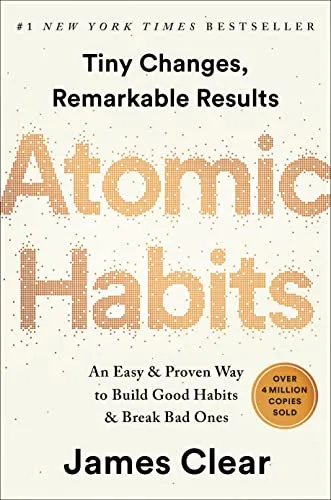
You cannot outsmart a bad habit. You have to replace it. This is why I always recommend pairing a debt book with a habit book. The most obvious pairing is Atomic Habits by James Clear. His core message is simple. You do not rise to the level of your goals. You fall to the level of your systems.
This applies directly to money. If your system is to “be more careful” with spending, you will fail. If your system is to automatically transfer money to savings the moment your paycheck hits, you will succeed. Clear teaches you to make good habits inevitable and bad habits impossible.
Here is how I applied it. I made spending money on junk food inconvenient. I unsubscribed from all shopping emails. I deleted the saved credit card info from my phone. The friction was enough to stop most impulse buys. At the same time, I made saving automatic. I set up a separate account that I could not easily access. The money vanished before I could miss it.
The Daily Habit Loop:
- Make it obvious. Put a picture of your debt-free goal on your fridge.
- Make it attractive. Reward yourself for hitting savings milestones.
- Make it easy. Automate everything.
- Make it satisfying. Track your progress visually.
What is one tiny habit you could change today that would save you money?
How Does a Giving Mindset Help You Get Out of Debt Faster?
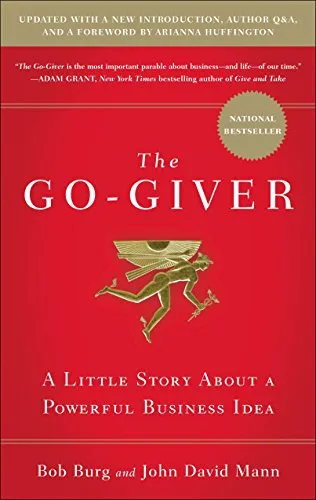
This sounds counterintuitive, right? You are in debt. Why would you give anything away? But this is the lesson from The Go-Giver by Bob Burg. It is a story about a young man named Joe who is desperate to make a sale. He meets a mentor who teaches him the Five Laws of Stratospheric Success. The core law is simple. Your income is determined by how many people you serve and how well you serve them.
I was skeptical. How could giving help me pay off debt? Then I realized something. When I focused only on my own shortage, I felt scared and small. That scarcity mindset made me hoard and panic. When I shifted focus to adding value to others, something strange happened. I felt more abundant. I started helping a friend with her resume. She offered to pay me. That turned into a small freelance business.
The law of giving is not about charity. It is about shifting your focus from getting to giving. When you put others’ interests first and continually add value to their lives, it leads to unexpected returns. This is a powerful mindset shift when you feel trapped by debt. You stop asking, “How do I get out of this?” You start asking, “How can I serve someone today?”
In what way could you add value to someone else’s life this week, even while you are in debt?
Is *From Debt to Wealth* a Good Book for Beginners Just Starting Their Debt-Free Journey?
Absolutely. If you are just starting out and feeling overwhelmed, this is the book I would recommend first. It is more compassionate than a strict budget book, but more practical than a purely psychological one. It walks you through breaking the paycheck-to-paycheck cycle step by step.
The book begins with the core problem. Most people are trapped in a cycle. They work harder, chase a bigger paycheck, buy luxury to impress others, and end up deeper in debt. Then it shows you the real rules of money used by the world’s most financially free people. It does not make you feel stupid for past mistakes. It gives you a new operating system.
For a beginner, the most valuable part is the section on eliminating bad debt. It distinguishes between debt that hurts you and debt that might help you. A high-interest credit card is bad debt. A low-interest mortgage on a home that appreciates might be acceptable. This nuance is often missing in the more aggressive debt payoff books.
What If You Have Tried Every Budget and Still Cannot Save Money?
If you have tried every budget and failed, the problem is not your discipline. The problem is your system, or maybe your income ceiling. This is where you need to combine the lessons from all three books. Use the habit framework from Clear to build an automated system. Use the giving mindset from Burg to increase your value. And use the wealth psychology from Pierce to start building assets.
You might be living paycheck to paycheck because you are trading time for money. The only way out is to create leverage. That could mean investing in yourself to get a higher-paying job. It could mean starting a side business. It could mean learning to invest the small amounts you save. The goal is to break the direct link between your hours and your income.
Have you considered that your current job might be the ceiling of your financial growth? What skill could you learn this year that would increase your earning potential?
How Long Does It Really Take to See Results with These Books?
Be honest with yourself. If you are looking for a get-rich-quick scheme, these books will disappoint you. From Debt to Wealth talks about patience explicitly. Wealth favors those who stay patient. For us, it took about nine months to pay off our credit card debt. That was with the elimination strategy and the asset-building strategy working together.
The first month was the hardest. We saw almost no progress. The second month, the snowball started to roll. By the sixth month, we had momentum. We were actually excited to look at our bank account. That was a first. The habit changes from Atomic Habits took about two months to feel automatic. The mindset shift from the giving book took the longest, probably four months.
You have to trust the process. The math works. The psychology works. But only if you stay consistent. Are you ready to be patient with yourself for the next six months?