Thinking, Fast and Slow changed how millions of people understand their own minds. The idea that we have two systems—one fast and intuitive, one slow and deliberate—explained why we make so many irrational decisions.
But once you have read Kahneman, you start wanting more. You want to understand the hidden forces behind your choices. You want to know why your brain takes shortcuts and how to catch yourself before you make the same mistakes again.
These three books each offer a different lens on the same question: why do we think, feel, and decide the way we do?
3 Books That Help You Understand How the Mind Works
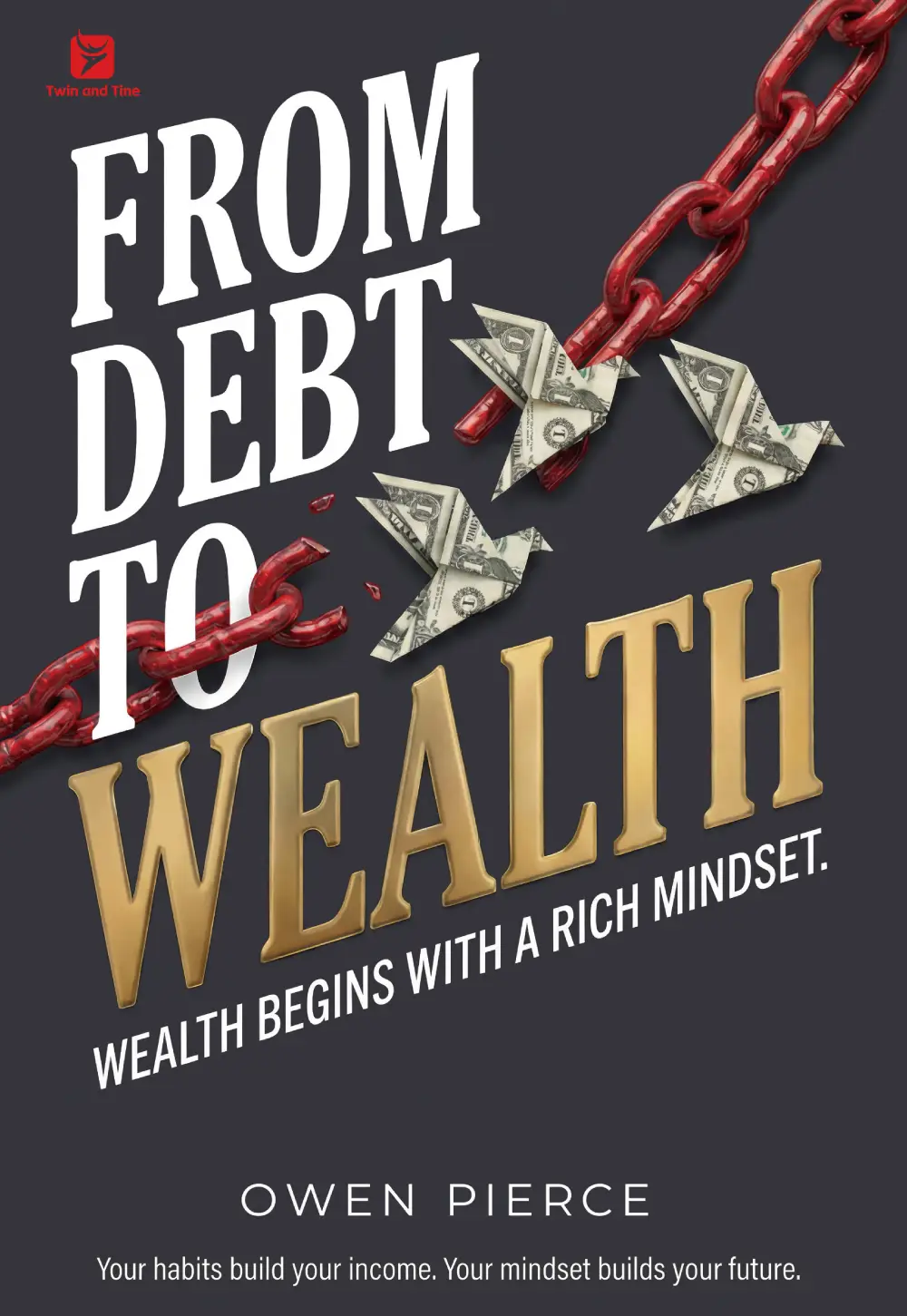
1. Awakening to Human Nature by Owen Pierce
Why do you keep making the same mistakes—and why is it so hard to see them?
Kahneman shows you that your brain is irrational. Pierce takes it further. He explains why you stay stuck in patterns you do not even recognize.
The book covers self-deception, emotional patterns, and the hidden motives that drive human behavior. Why do you crave validation over truth? Why do you avoid discomfort even when it leads to growth? Why do you tell yourself stories that justify decisions you already made?
These are not just cognitive biases. They are survival mechanisms. They were useful once. They keep you stuck now.
Once you see the patterns, you cannot unsee them. You start catching yourself in the moment. You stop wondering why you keep repeating the same mistakes—and start making different choices.
For anyone who wants to understand not just how the mind works, but why it keeps working against you.
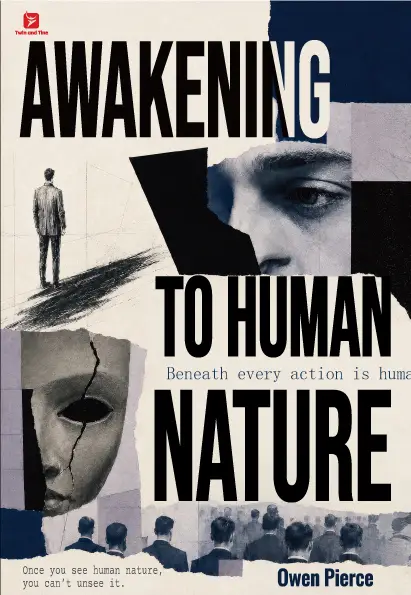
Awakening to Human Nature
Owen PierceA practical guide for understanding hidden motives, social patterns, emotional pressure, and manipulation—so you can read situations more clearly and protect your boundaries with confidence.
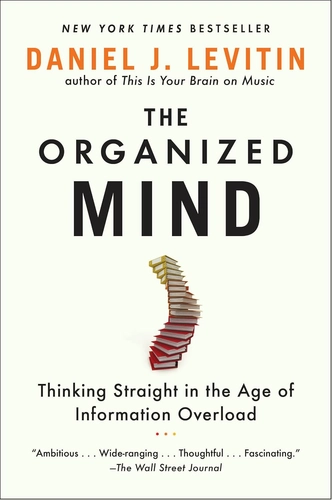
2. The Organized Mind by Daniel Levitin
Why does your brain feel so overwhelmed, and how do you fix it?
Levitin is a neuroscientist who studies how the brain processes information. His book explains why we feel so scattered in a world of constant distraction—and what we can do about it.
The brain is not designed to hold everything at once. It is designed to filter, prioritize, and forget. But modern life overwhelms that system. You are bombarded with information, decisions, and interruptions. The result is exhaustion, forgetfulness, and decision fatigue.
Levitin gives you practical strategies for organizing your attention: how to manage information, how to make better decisions with less effort, and how to stop feeling like your brain is always running on empty.
For anyone who feels like their brain is constantly overwhelmed.
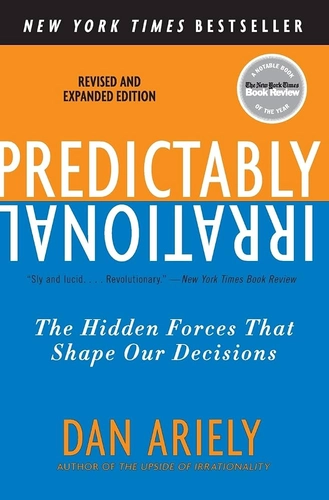
3. Predictably Irrational by Dan Ariely
Why do you make the same bad decisions even when you know better?
Ariely is a behavioral economist who runs experiments on why people act irrationally. His book is full of surprising insights: why free things make us lose our minds, why we overvalue what we already own, why we pay more for something when it is on sale.
What makes this book essential is the practical application. You will recognize these patterns in your own life. You will catch yourself making a decision based on the wrong thing. You will start asking better questions.
For anyone who wants to understand the hidden irrationality behind everyday decisions.
These three books each help you understand the mind from a different angle. Pierce explains why your patterns keep you stuck. Levitin shows you how to manage information overload. Ariely reveals the hidden irrationality in everyday choices.
If you want to stop being surprised by your own behavior, start with the one that shows you what you have been missing.
| Best for | |
|---|---|
| Awakening to Human Nature | Understanding why you repeat the same patterns |
| The Organized Mind | Managing information overload and decision fatigue |
| Predictably Irrational | Understanding hidden irrationality in everyday decisions |
Frequently Asked Questions
If I can only read one, which should it be?
If you have already read Kahneman and want to understand why your brain keeps working against you, start with Awakening to Human Nature. It gives you the framework for seeing patterns you did not know you had.
Is this book about cognitive biases?
Yes and no. It covers biases, but it also covers emotional patterns, self-deception, and hidden motives. It helps you understand not just how your mind works—but why it works against you.