You have read Joe Navarro’s What Every Body Is Saying. Or you have heard about it and are looking for similar books. You know the basics: feet point toward where someone wants to go, hands reveal stress, pacifying behaviors signal discomfort.
But if you are like most readers, you finished it and realized something: you now know how to spot signals, but you still do not know how to respond to them. You see someone tense up, but you are not sure what to say next. You notice a shift in posture, but you do not know whether to push forward or back off.
That is the gap this list fills.
How to Read Someone’s Mind by Miles Carter
Navarro gives you a signal dictionary. Carter gives you a conversation framework.
Navarro focuses on one channel: the body. Carter expands to four—face, body, voice, and context—and teaches you to read them together. A person’s tone can confirm what their posture is saying. Their facial expression can contradict it. The situation can tell you which signal to trust more.
Carter also addresses what Navarro does not: how to respond once you have read the signal. When you notice someone is uncomfortable, what do you do? When you see hesitation, how do you adjust? The book does not just teach you to observe. It teaches you to act on what you see without making the other person feel analyzed.
If Navarro gave you the vocabulary of body language, Carter gives you the grammar that puts it all together.
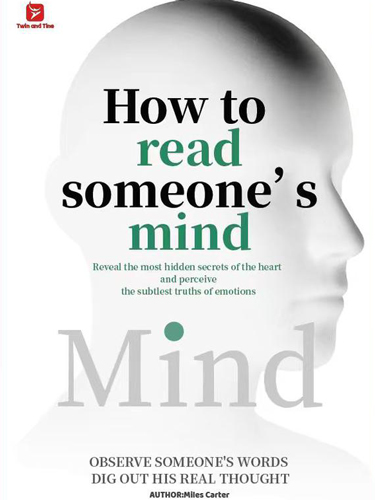
How to Read Someone’s Mind
Miles CarterPractical tools for reading body language, tone, and hidden intentions in real time. Spot what people aren’t saying — before you trust the wrong person.
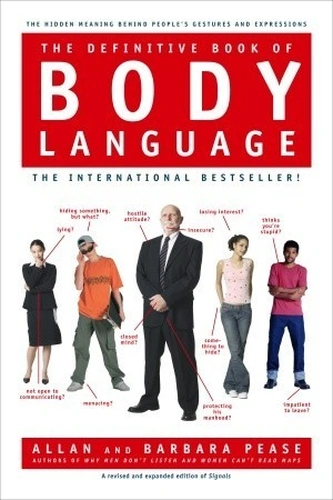
The Definitive Book of Body Language by Allan and Barbara Pease
This is one of the most comprehensive body language references available. It covers everything from handshakes to eye movements to personal space, with photos and cultural variations. If Navarro focuses on the high-stakes signals of interrogation rooms, the Peases focus on the everyday signals of boardrooms, dating, and casual conversation.
If you want the most complete single-volume reference on body language, this is it.
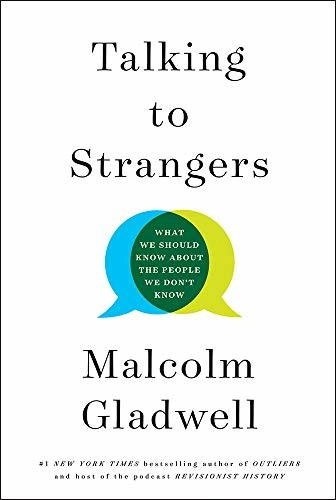
Talking to Strangers by Malcolm Gladwell
Gladwell takes a different angle. He does not teach you to read signals. He asks: why do we so often misread them? He explores cases where people missed obvious signs—because they defaulted to trust, because they were distracted, because they misread confidence as competence.
This book does not replace Navarro. It complements him by showing you where your own blind spots are.
If you want to understand why you misread people even when the signals are clear, read this.
Where to start
Navarro gave you the signals. Pease gives you the comprehensive catalog. Gladwell shows you why you still miss things.
But Carter gives you something none of them do: a system that combines observation with response. You learn not just what to notice, but what to do with what you notice—in real time, without making the conversation awkward.
Read the others if you want. They are useful. But start with Carter—because reading signals is only half the skill. Knowing how to respond is the other half.
Three books on body language. One gives you signals. One gives you the catalog. One gives you the blind spots. Start with the one that also tells you what to do next.
Frequently Asked Questions
What does this book add that Navarro doesn’t already cover?
Navarro teaches you to read involuntary signals. Carter teaches you to combine those signals with voice, facial expression, and context to form a complete assessment. He also covers what Navarro largely leaves out: how to adjust your own behavior once you have read the other person.
Is this book only about detecting lies?
No. Reading body language is not just about catching deception. It is about understanding whether someone is comfortable, engaged, hesitant, or open to connection. That clarity helps you navigate conversations more smoothly in every setting, not just confrontational ones.
