Rachel had finished everything she needed to do before bed, but she could not seem to relax. She kept thinking about an email she had sent that afternoon, a bill she needed to pay next week, and a conversation with a friend that had felt slightly awkward. None of these situations required her attention at that moment, yet her mind kept moving from one concern to another. By the time she finally put her phone down, she felt as though she had spent the entire evening working.
Anxiety does not always arrive as an obvious moment of panic. For some people, it looks more like constant mental preparation, repeated checking, difficulty making decisions, or an uneasy feeling that something has been overlooked. Understanding which patterns affect you most can help you find a more useful way to respond.
The following five books approach anxiety from different perspectives, ranging from structured workbook exercises to understanding repetitive thoughts and developing a healthier relationship with uncertainty. They are self-help resources rather than substitutes for individualized mental health care, but they can provide useful starting points for learning about your own patterns.
1. The Anxiety and Phobia Workbook by Edmund J. Bourne
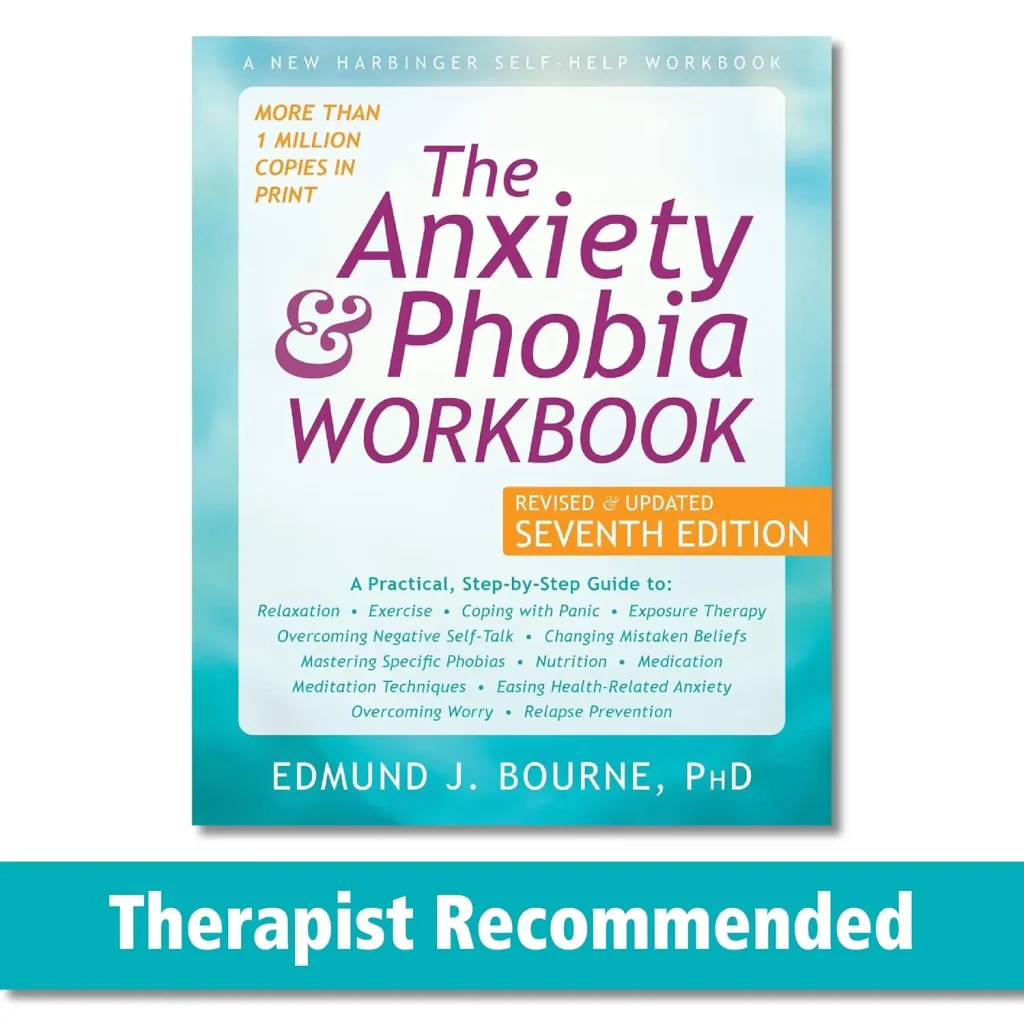
For readers looking for a comprehensive, exercise-based resource, The Anxiety and Phobia Workbook by Edmund J. Bourne is a well-established option. The eighth edition, published by New Harbinger Publications in 2025, covers a broad range of anxiety-related concerns, including worry, fear, panic, relaxation, and practical coping strategies.
What distinguishes this book from a general discussion of anxiety is its workbook format. Readers can work through exercises and explore different techniques at their own pace instead of simply reading about why anxiety happens.
It is particularly worth considering if you prefer a structured resource that helps you examine your habits and practice specific skills. Because the book covers a broad range of concerns, it may also require more time and effort than a shorter, narrowly focused self-help book.
2. Break the Anxiety Circle by Miles Carter
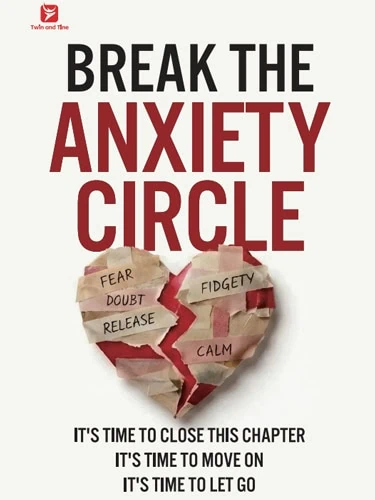
Break the Anxiety Circle focuses on the repetitive thought patterns that can make ordinary worries feel difficult to escape. A concern about work can turn into self-doubt, which leads to imagining other people’s judgments, replaying past conversations, and worrying about what might happen next. The original concern may be manageable, but the thinking surrounding it keeps growing.
The book explores anxiety loops, overthinking, fear of judgment, self-worth, people-pleasing, boundaries, and emotional regulation. Rather than looking at each worry as an isolated problem, it encourages readers to recognize recurring patterns that may be keeping their minds busy long after the original situation has passed.
This makes it a relevant choice for people whose anxiety often takes the form of mental exhaustion. If you spend a lot of time reviewing decisions, seeking reassurance, or criticizing yourself over small mistakes, understanding those patterns can be a useful starting point for changing how you respond.

Break the Anxiety Circle
Miles CarterA mental reset for people trapped in the overthinking loop. Understand why your mind won’t stop racing — and how to break free from anxiety, people-pleasing, and emotional exhaustion.
3. Don’t Feed the Monkey Mind by Jennifer Shannon
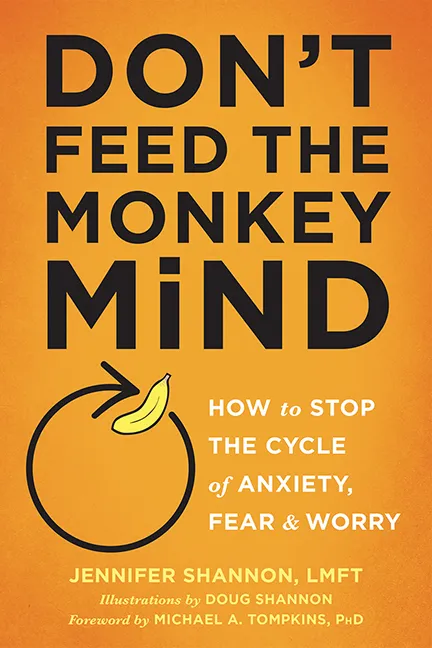
Jennifer Shannon’s Don’t Feed the Monkey Mind: How to Stop the Cycle of Anxiety, Fear, and Worry examines how anxious thoughts can become self-reinforcing. The book draws on cognitive behavioral therapy, acceptance-based approaches, and mindfulness to help readers understand the relationship between fear, avoidance, and repeated worry.
One of its central ideas is that attempts to eliminate uncertainty can sometimes keep anxiety going. You may avoid a situation because it makes you nervous, feel temporarily relieved, and then become even more hesitant the next time a similar situation appears.
The book is particularly relevant for readers who recognize that anxiety influences their decisions and everyday behavior. Its practical approach encourages readers to examine anxious thoughts and gradually change their responses instead of organizing every decision around avoiding discomfort.
4. Rewire Your Anxious Brain by Catherine M. Pittman and Elizabeth M. Karle
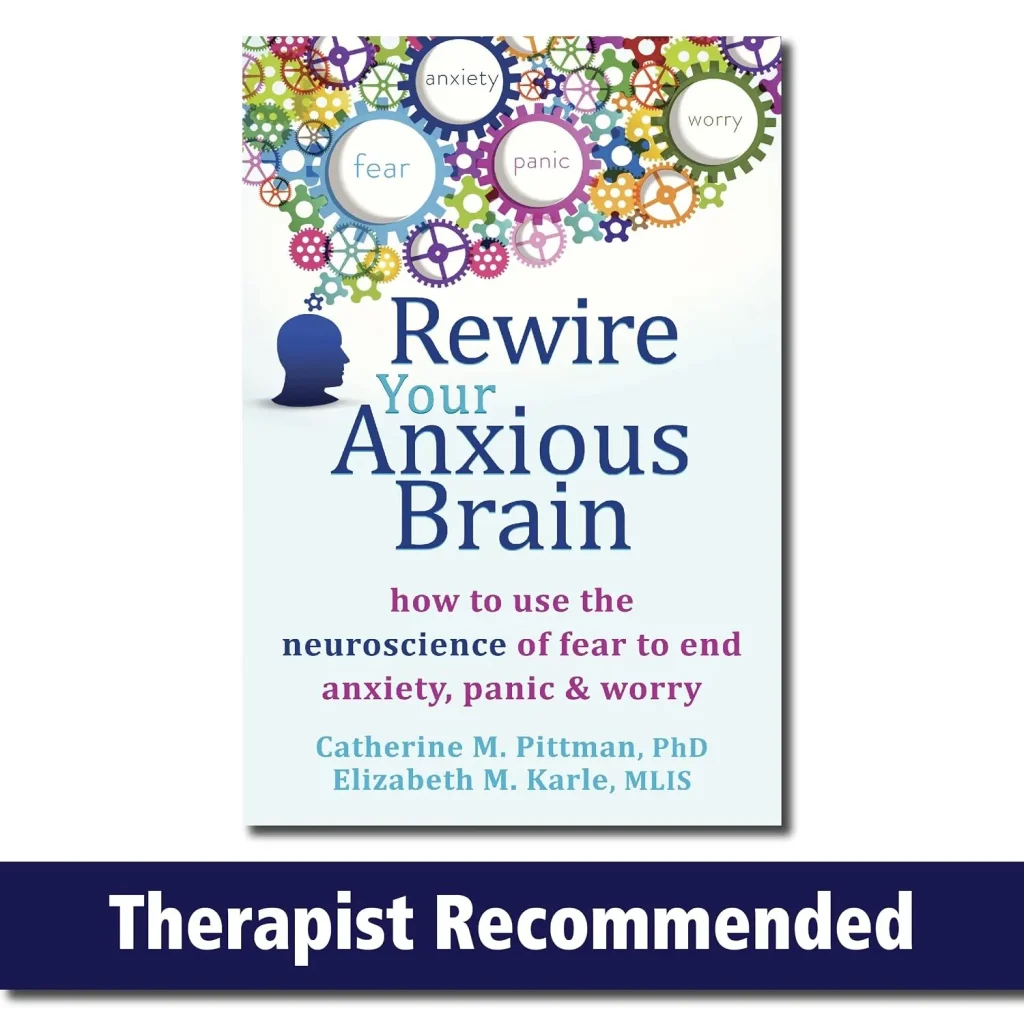
Rewire Your Anxious Brain explores anxiety through the neuroscience of fear. Catherine M. Pittman and Elizabeth M. Karle explain how different brain processes contribute to anxious reactions and why understanding those processes can inform the way people respond to fear and worry.
The book distinguishes between forms of anxiety that can feel similar from the inside but operate differently. It also discusses practical strategies for responding to fear rather than relying on a single technique for every anxious experience.
This is a useful option for readers who want a clearer explanation of what may be happening in the brain when anxiety arises. It offers a different perspective from books that focus primarily on thought patterns or emotional habits, making it a helpful complement to a more practical self-help approach.
5. The Anxiety Sisters’ Survival Guide by Abbe Greenberg and Maggie Sarachek
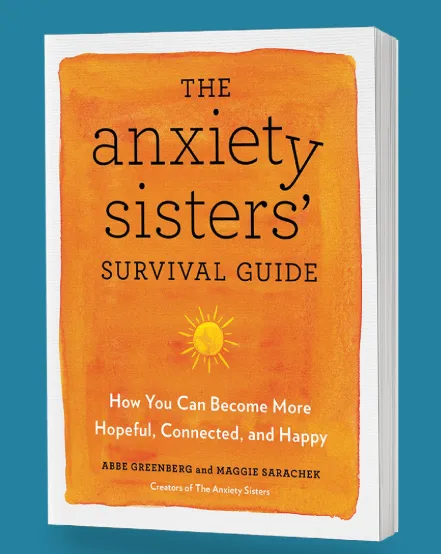
Written by Abbe Greenberg and Maggie Sarachek, The Anxiety Sisters’ Survival Guide: How You Can Become More Hopeful, Connected, and Happy combines practical strategies with personal experiences of living with anxiety. The authors approach worry, panic, stress, grief, and other difficult experiences in a conversational and accessible style.
One appealing aspect of the book is its recognition that managing anxiety does not require becoming a person who never feels anxious. The authors explore everyday coping techniques while acknowledging how isolating anxiety can feel when it starts limiting social activities or ordinary routines.
This book may be a particularly comfortable starting point for readers who want practical advice without an overly clinical tone. Its emphasis on relatable experiences can also help readers feel less alone while they explore different ways of coping.
Which Kind of Anxiety Are You Trying to Understand?
The books differ in their emphasis, so it helps to start with the part of anxiety that causes you the most difficulty.
If you prefer structured exercises, The Anxiety and Phobia Workbook offers a broad workbook-based approach. If your main struggle is repeated worry and the tendency to mentally revisit the same issues, Break the Anxiety Circle focuses directly on those patterns. Don’t Feed the Monkey Mind explores the way fear and avoidance can reinforce one another, while Rewire Your Anxious Brain provides a neuroscience-based perspective. The Anxiety Sisters’ Survival Guide combines practical coping ideas with personal experiences and a more conversational style.
You do not have to understand every aspect of anxiety before you can begin working on the habits that affect your daily life. Finding a book that matches your main difficulty can make it easier to focus on a few relevant ideas rather than trying to change everything at once.
Anxiety Management Is About More Than Feeling Calm
It is understandable to want anxiety to disappear as quickly as possible, especially when it affects your sleep, work, or relationships. But trying to eliminate every uncomfortable thought can itself become exhausting.
Sometimes progress looks like recognizing a worry without immediately seeking reassurance. Sometimes it means making a reasonable decision while accepting that you cannot predict every outcome. In other situations, it may mean learning to approach something you have been avoiding rather than continuing to organize your life around fear.
These five books offer different ways to explore that process. Choose the one that best reflects your experience, give yourself time to work through its ideas, and remember that professional support is an appropriate option when anxiety becomes persistent or begins interfering significantly with everyday life.
If you found this helpful, these books go deeper into the same themes.



Break the Anxiety Circle
$19.90

From Debt to Wealth
$19.90

