Maya had spent the whole afternoon working on a school project, but when she looked at the finished result, she immediately decided it was not good enough. She noticed one part that looked different from her classmate’s project and wanted to throw the whole thing away. Her mother told her, “But yours is great,” yet Maya still looked unconvinced.
This is one of the tricky parts of building confidence in kids. Parents naturally want to praise, reassure, and encourage, but confidence does not always grow from hearing that you are the best or that everything you do is wonderful. Children also need chances to make mistakes, solve problems, make decisions, and discover that they can handle something difficult.
That is why the most useful confidence-building books tend to look beyond praise. They explore comparison, self-talk, motivation, failure, independence, and the everyday conversations that shape how children see themselves.
The Confidence Code for Girls by Katty Kay, Claire Shipman, and JillEllyn Riley
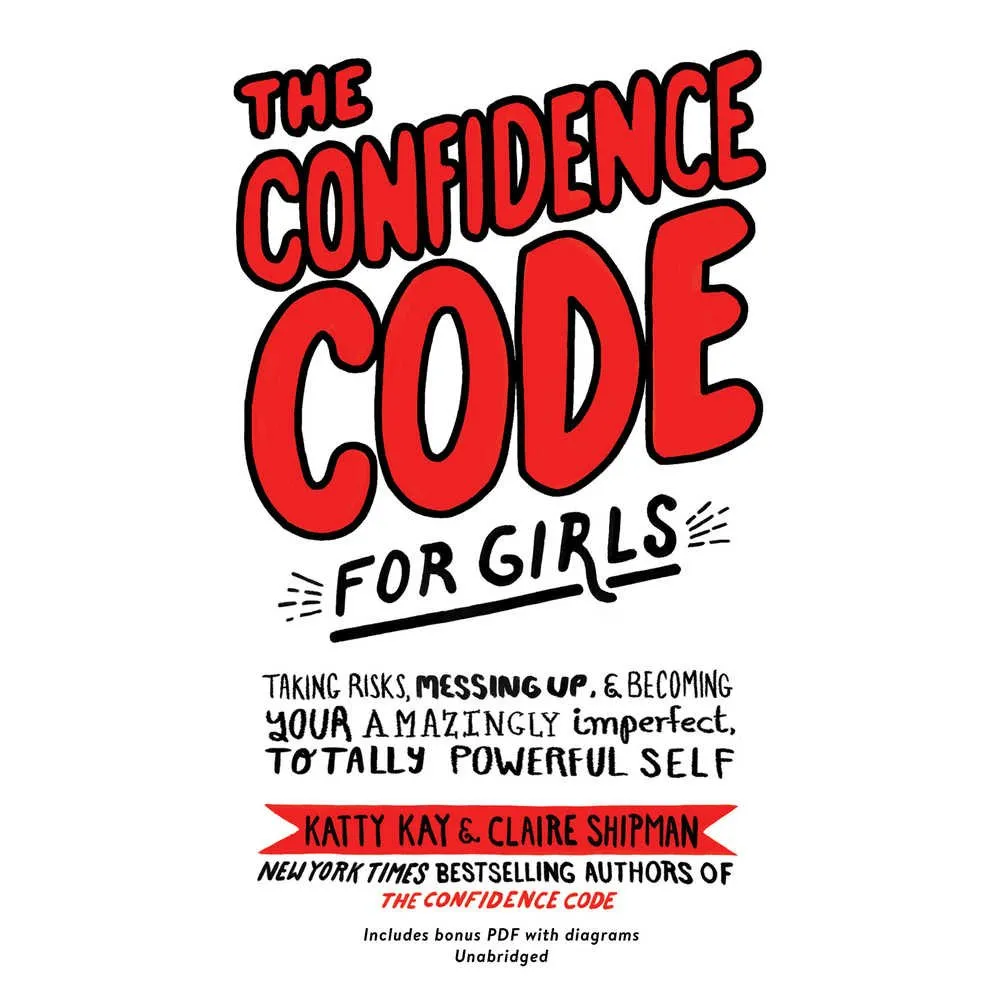
The Confidence Code for Girls focuses directly on confidence, self-doubt, taking risks, mistakes, and becoming more comfortable with being imperfect. The book combines research and practical activities with stories designed to help girls become more willing to try, speak up, and step outside their comfort zones.
One of its most useful themes is the relationship between confidence and action. Children do not always need to feel confident before they try something; sometimes the experience of trying, making a mistake, and realizing they can keep going is what builds confidence in the first place.
For parents whose main concern is hesitation, perfectionism, fear of failure, or worrying too much about what other people think, this is a particularly relevant place to start.
The Parent You Aspire to Be by Miles Carter
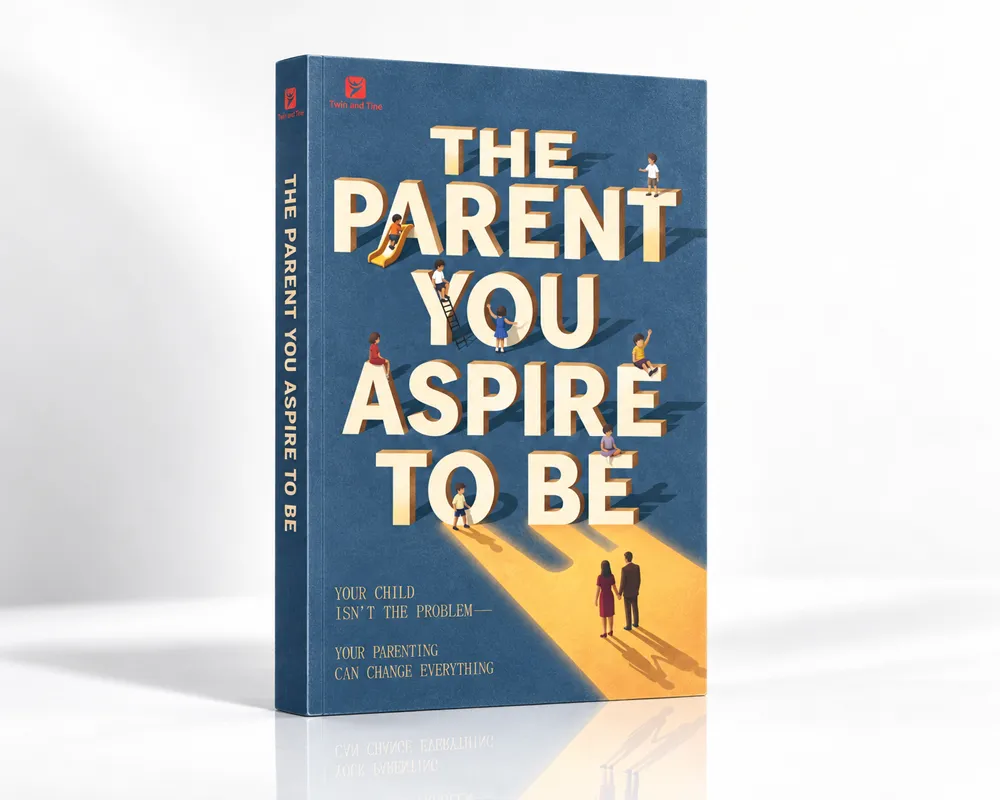
The Parent You Aspire to Be approaches confidence from the parent’s side of the relationship. Rather than focusing only on what parents can say to make children feel better, it looks at the everyday habits that influence how children see their own abilities.
The book discusses comparison and confidence, encouraging children in a more useful way, fear of mistakes, confidence after setbacks, labels, overprotection, and the tendency to correct or step in too often. These ideas matter because a parent can say “I believe in you” while unintentionally sending the opposite message by fixing every problem or comparing a child with someone else.
The book also emphasizes a balance between encouragement and responsibility. Children need support, but they also need enough room to experience the satisfaction that comes from solving something themselves.

The Parent You Aspire to Be
Miles CarterPractical guidance for tantrums, backtalk, lying, screen addiction, emotional outbursts, and everyday parenting struggles.
Mindset by Carol S. Dweck
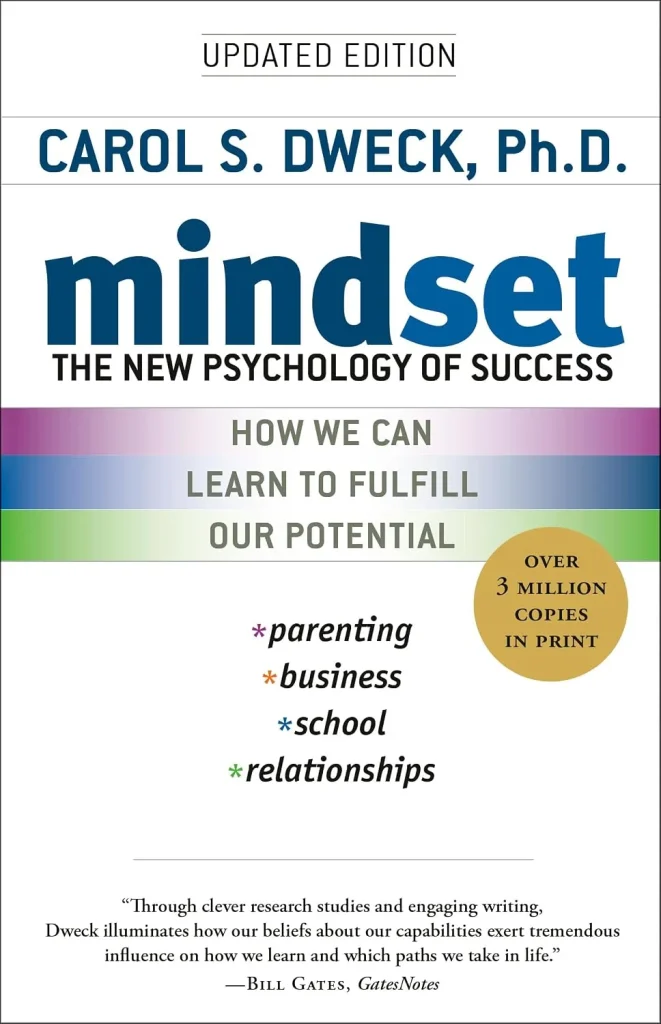
Carol Dweck’s Mindset is useful for understanding what happens when children start thinking of ability as something fixed. A child who believes, “I’m just not good at this,” may be much more likely to avoid challenges, while a child who sees ability as something that can develop may be more willing to keep practicing.
That distinction gives parents another way to think about praise. Instead of focusing entirely on being smart or talented, it can be more useful to notice persistence, strategy, and the willingness to keep working when something is difficult.
The book is broader than parenting, but its ideas have become highly influential in conversations about children’s motivation and responses to failure. For parents, it offers a useful lens for understanding why some children become discouraged so quickly when they are not immediately good at something.
The Self-Esteem Workbook for Kids by Little Happy
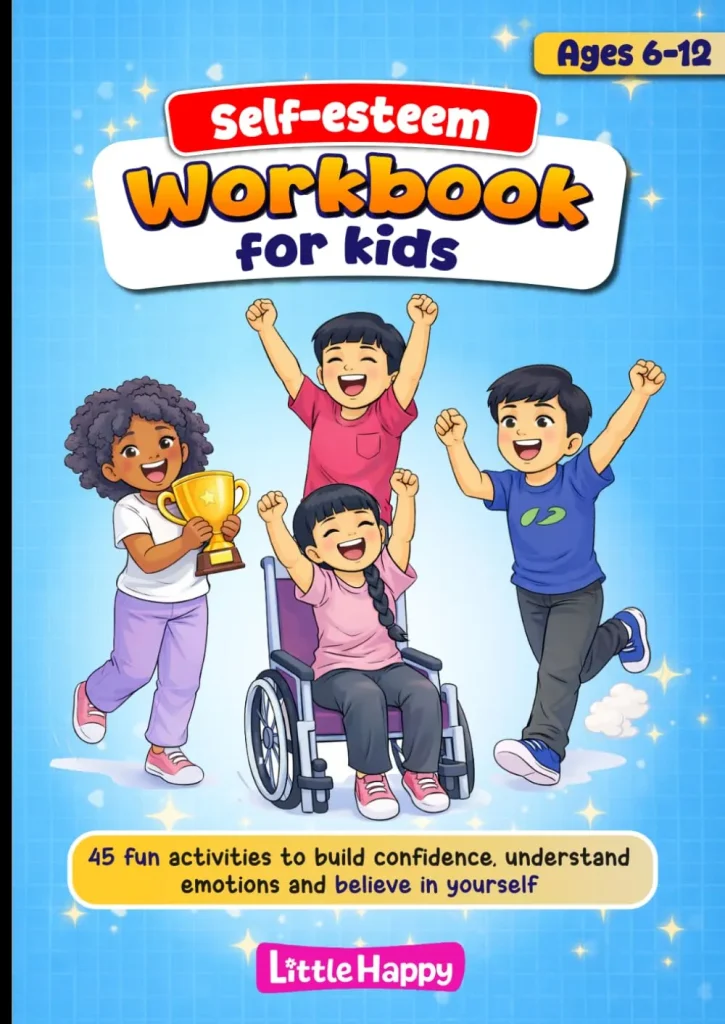
The Self-Esteem Workbook for Kids takes a much more hands-on route. Rather than giving parents only ideas to think about, it uses activities that can help children explore self-image, strengths, emotions, negative thoughts, and the way they evaluate themselves.
That makes it a practical choice for parents who want to sit down and work through confidence-related ideas with their child. A worksheet or activity can sometimes open a conversation that would be difficult to start with a direct question such as, “Why don’t you believe in yourself?”
The workbook format is also useful because confidence does not usually change through one conversation. Children can revisit the activities, notice patterns, and gradually become more aware of how they talk to themselves.
How to Talk So Kids Will Listen & Listen So Kids Will Talk by Adele Faber and Elaine Mazlish
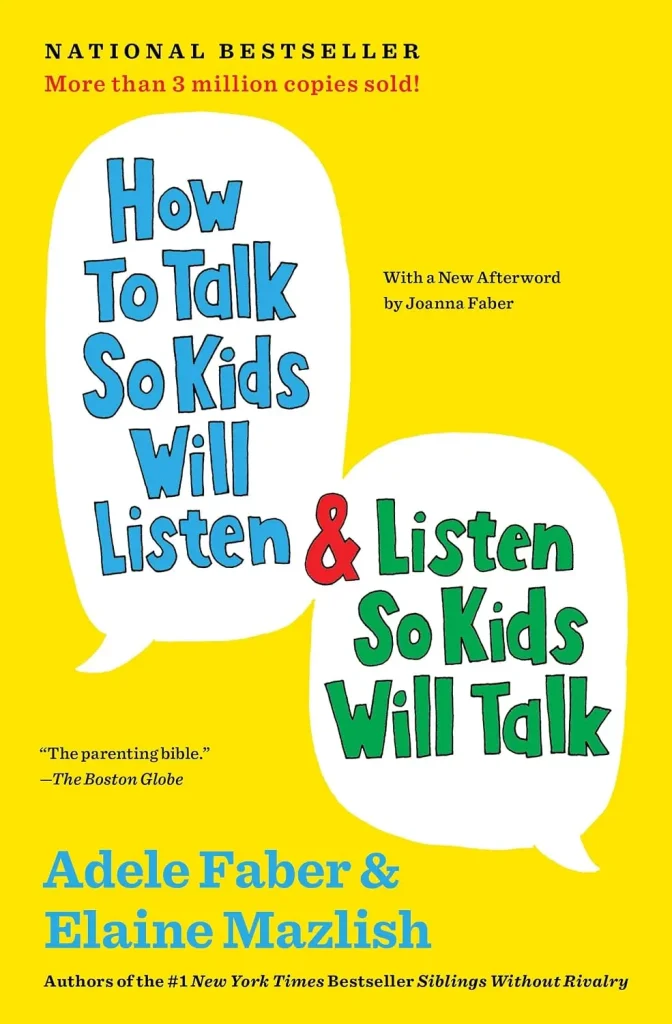
This classic parenting book is broader than confidence, but communication plays a major role in how children develop a sense of competence and security. Adele Faber and Elaine Mazlish focus on everyday interactions involving feelings, cooperation, conflict, frustration, and parental responses.
For confidence-building, one of the important ideas is giving children room to participate in solving their own problems rather than immediately taking over. A parent who responds to every difficulty with correction may unintentionally teach a child to wait for the adult’s answer.
The book also gives parents practical ways to acknowledge feelings without making children feel incapable. That can create a home environment where children are more comfortable speaking honestly, trying again, and working through difficult moments.
Confidence Does Not Come From Praise Alone
It is tempting to think that confidence can be built simply by saying the right encouraging words. Praise certainly has a place, but children also need evidence from their own experience.
They need to see that they can make a mistake and recover. They need to discover that they can handle a new responsibility. They need opportunities to make choices without having every decision corrected. And they need to know that being less skilled than someone else at one thing does not make them less valuable.
That is why comparison deserves special attention. When a child repeatedly hears, “Look how well your friend did,” the intended message may be encouragement, but the child can easily hear, “You are not measuring up.”
A stronger message focuses on their own progress: “You couldn’t do this last month, and now you’re getting the hang of it.”
What Should Parents Encourage?
There is a difference between encouraging a child to feel good and encouraging a child to become more capable.
A useful form of encouragement can sound like:
- “You kept trying even when it got difficult.”
- “What do you think you could do differently next time?”
- “You figured that part out yourself.”
- “You don’t have to get it perfect on the first try.”
- “I know you can work through this.”
These responses do more than provide praise. They draw attention to effort, problem-solving, persistence, and the child’s ability to cope with difficulty.
That is the kind of confidence that can travel with a child into new situations instead of depending entirely on whether someone else thinks they did well.
Let Children See What They Can Handle
Confidence tends to become stronger when children experience themselves as capable.
That may happen during a school project that does not go according to plan, a disagreement with a friend, a new responsibility at home, or a task they initially believe they cannot do. Parents still have an important role in setting expectations and providing support, but stepping in too quickly can sometimes take away the very experience the child needs.
The five books above approach this from different directions. The Confidence Code for Girls focuses directly on confidence, risk-taking, mistakes, and self-doubt; The Parent You Aspire to Be looks at the parenting behaviors that shape confidence; Mindset examines beliefs about ability and growth; The Self-Esteem Workbook for Kids provides activities for developing a healthier self-image; and How to Talk So Kids Will Listen & Listen So Kids Will Talk focuses on the communication habits that support children’s emotional and personal development.
A confident child is not one who always feels certain. It is a child who gradually learns, through everyday experience, that feeling unsure does not mean they have to give up.

