When Sarah asked a coworker whether a report was ready, he smiled and said, “I assumed you had it covered,” even though they had agreed earlier that he would finish it. Sarah knew the comment was not really an answer, but she was not sure how to respond without making the situation more uncomfortable. She could ignore it, confront him about the tone, or try to explain why the comment bothered her, and none of those options felt particularly appealing.
Passive-aggressive communication is difficult partly because the real message is often hiding underneath the words. The person may agree and then quietly resist, say everything is “fine” while behaving resentfully, or make a sarcastic remark that leaves you wondering whether you are supposed to laugh or respond.
The first step is usually not to become better at fighting back. It is to become better at recognizing what is actually happening, keeping your own response calm, and bringing the conversation back to something direct enough to discuss.
Pay Attention to the Gap Between Words and Behavior
Passive-aggressive communication often becomes easier to identify when you stop looking at one sentence in isolation.
Someone may say they are happy to help while repeatedly missing the agreed deadline. A friend may insist they are not upset while making pointed comments throughout the evening. A colleague may agree to a plan and then quietly make it difficult to carry out.
The contradiction matters because the spoken message alone does not tell you what is happening. You do not need to accuse the person of being passive-aggressive immediately, but noticing the pattern can stop you from spending hours wondering whether you somehow imagined the tension.

Ask About the Actual Issue
When the other person’s meaning is unclear, a direct question can sometimes do more than a clever response.
Suppose a coworker says, “Well, I guess we’ll do it your way,” with an obvious edge to the comment. You could respond emotionally, or you could say, “Is there something about the plan you’re uncomfortable with?”
That question brings the conversation back into the open. The other person may still deny that anything is wrong, but at least you have given them an opportunity to explain what they actually mean instead of forcing yourself to interpret every sarcastic remark.
Do Not Answer Sarcasm With More Sarcasm
It can be tempting to match the tone when someone is being indirect with you. A sarcastic comment invites another sarcastic comment, and the conversation can quickly turn into a competition over who can be more cutting without saying anything directly.
That rarely solves the original issue. A calmer response often works better because it removes some of the reward of staying indirect. When you respond to the substance instead of the tone, the other person has to either explain their concern or let the comment go.
For example, if someone says, “Sure, take your time. We clearly don’t have anything else to do,” you could answer, “I know the timing matters. If the deadline needs to change, let’s discuss what we can move.”
You are not pretending the sarcasm did not happen. You are simply refusing to let it become the entire conversation.
Be Careful With Mind Reading
One of the hardest parts of dealing with passive-aggressive behavior is that you may be right about the tension without knowing the exact reason behind it.
You can recognize that someone has become colder, more dismissive, or less cooperative without automatically deciding what they are thinking. Maybe they are frustrated with you. Maybe they are frustrated with the situation. Maybe something else is happening that has nothing to do with you.
Sticking to what you can actually observe makes your response much more useful. “You have missed the last two deadlines” is easier to discuss than “You obviously don’t respect me.”
Say What You Need Directly
Passive-aggressive situations can continue because both people remain indirect.
One person hints. The other person notices the hint but does not address it. Resentment grows, and eventually both sides are irritated without ever having a clear conversation.
A direct request can change the pattern. You might say, “If you disagree with the plan, I’d rather you tell me directly,” or “If you need more time, let me know before the deadline instead of waiting until the last minute.”
This gives the other person something specific to respond to and makes it easier to decide what happens next.
What Say It Right Every Time Brings to This Problem
Say It Right Every Time by Miles Carter is especially relevant to passive-aggressive communication because it focuses on what to say when a conversation becomes uncomfortable without turning it into a personal battle. The book covers passive-aggressive behavior directly, along with respectful requests, calm boundaries, disagreement, unwanted advice, and responding to rude comments without losing your composure.
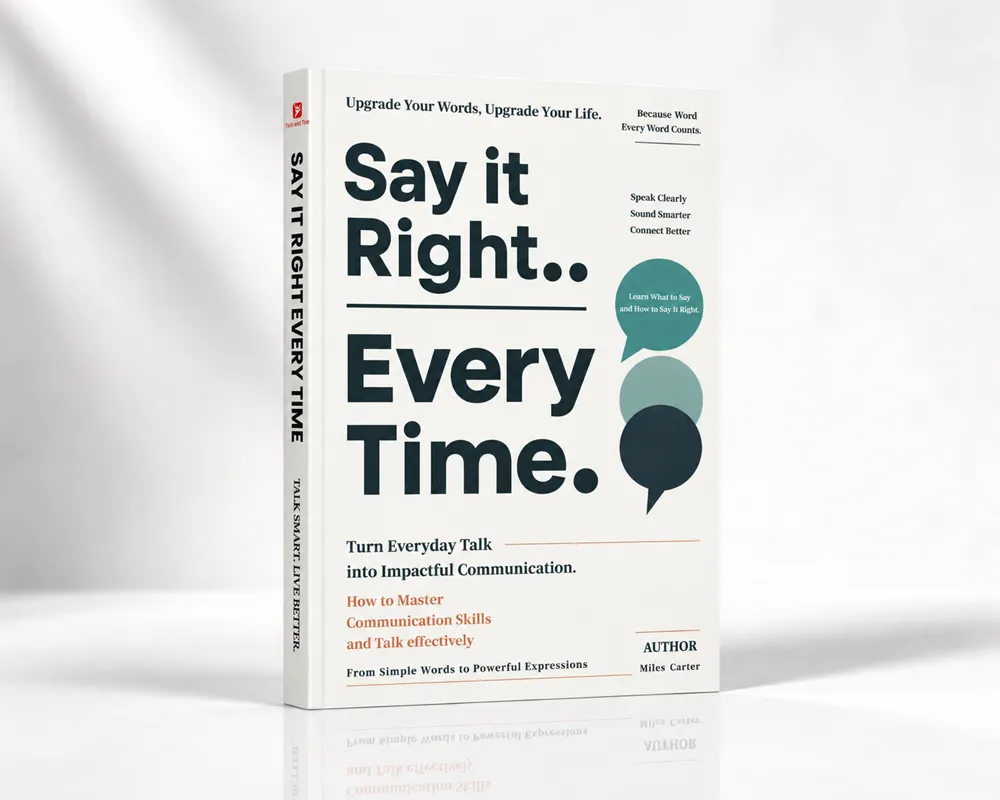
It also addresses a common problem that sits underneath many difficult exchanges: people often know what they are unhappy about, but they do not know how to express it clearly enough for the other person to respond. The book puts more emphasis on practical wording, so instead of simply recognizing unhealthy communication, you have ways to make your own side of the conversation more direct.
That can be particularly useful at work, where you may need to address a problem with a coworker while still maintaining a workable relationship afterward.

Say it Right..Every Time.
Miles CarterPractical communication tools for the moments that matter — say what you mean, calmly and confidently.
You Do Not Have to Decode Every Hidden Message
Not every awkward comment needs to become a confrontation. Sometimes you can simply ask a question, state what you observed, or explain what you need and see how the other person responds.
The important shift is moving away from guessing and toward clarity. When someone communicates indirectly, you do not have to become equally indirect just to protect yourself.
A clear response gives the conversation a chance to become an actual conversation.
Did this article help you see things differently? Our books turn helpful ideas into practical tools you can return to anytime.



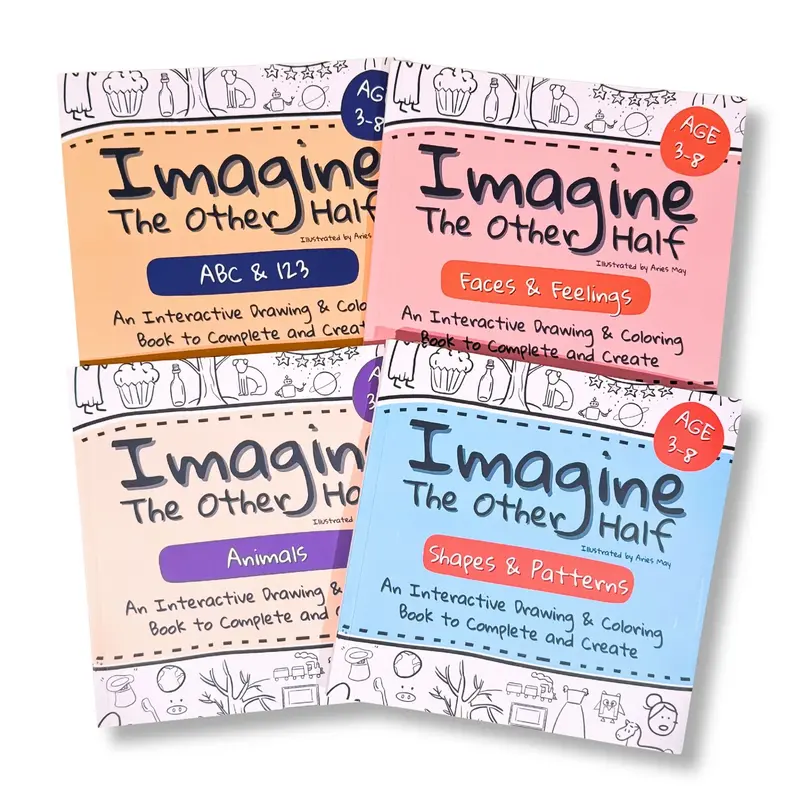
Imagine The Other Half
$24.99

