You are halfway through an argument when you realize your voice has changed. You are talking faster, interrupting more, and preparing your next response before the other person has even finished. At that point, knowing that you should “stay calm” is not especially helpful. What matters is knowing what to do with the emotion that has already taken over the conversation.
Emotional self-regulation is not about becoming someone who never gets angry, anxious, frustrated, or hurt. Those emotions are part of ordinary life. The more useful skill is learning to notice what is happening early enough to choose your response instead of letting the strongest feeling in the room make the decision for you.
Some books approach that skill through psychology and emotional intelligence, while others focus more closely on difficult thoughts, emotional flexibility, or communication.
1. Emotional Intelligence by Daniel Goleman
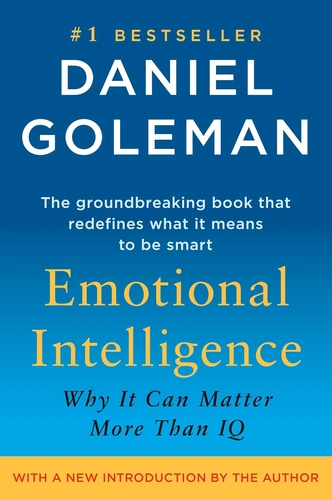
Daniel Goleman’s Emotional Intelligence is a natural starting point for anyone who wants to understand the broader idea behind emotional self-regulation. The book examines how emotions influence behavior, decision-making, relationships, and our ability to respond effectively in demanding situations.
Self-awareness and self-management are central to the framework. Before you can change an emotional reaction, you first need to recognize what is happening inside you and understand how that reaction is affecting your behavior.
For readers who want the bigger psychological picture rather than a collection of quick techniques, this book provides a useful foundation.
2. Break the Anxiety Circle by Miles Carter
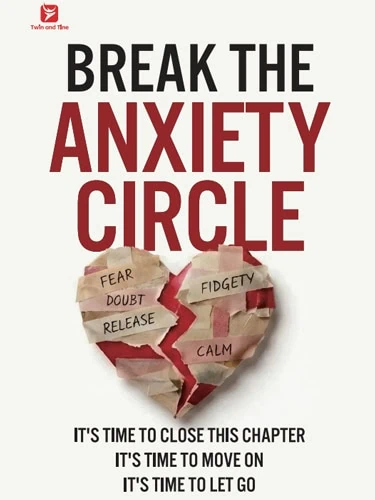
Break the Anxiety Circle looks at emotional regulation from the perspective of repetitive thinking. A stressful event does not always stay a single emotional moment; it can lead to overthinking, self-doubt, worry, imagined scenarios, and repeated mental analysis.
That makes the book especially relevant when your emotions are being intensified by what your mind keeps doing afterward. You may feel frustrated and then spend another hour replaying the conversation. You may feel anxious and then keep searching for reassurance until the anxiety starts all over again.
The book focuses on recognizing these loops and creating distance from them. It also explores people-pleasing, fear of judgment, boundaries, and self-worth, which can all affect how strongly we react to everyday situations.

Break the Anxiety Circle
Miles CarterA mental reset for people trapped in the overthinking loop. Understand why your mind won’t stop racing — and how to break free from anxiety, people-pleasing, and emotional exhaustion.
3. Atlas of the Heart by Brené Brown

Atlas of the Heart takes a different route. Brené Brown explores the language people use to describe emotional experiences and the distinctions between feelings that can seem similar on the surface.
That may sound simple, but being able to identify what you are actually feeling can change how you respond. Frustration, embarrassment, disappointment, shame, resentment, and anxiety can lead to very different needs and reactions, even when they initially feel like one large emotional mess.
This book is particularly useful for readers who often think, “I know I’m feeling something, but I don’t know exactly what it is.” More precise emotional language can make self-awareness much easier.
4. Emotional Agility by Susan David
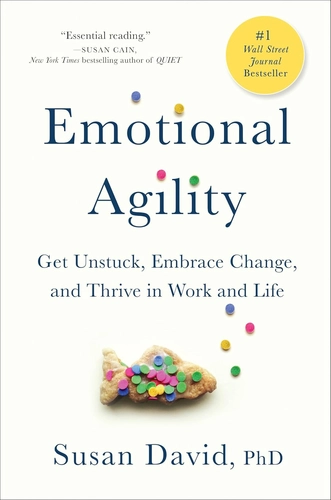
Emotional Agility focuses on the idea that difficult emotions do not need to control your behavior, but they also do not need to be suppressed or immediately eliminated. Susan David explores how people can become more flexible in the way they respond to uncomfortable thoughts and feelings.
That perspective is useful when you find yourself fighting your emotions. Telling yourself that you should not be angry, worried, or disappointed can sometimes add another layer of frustration to the original feeling.
Instead, the book encourages a more flexible relationship with emotions. You can acknowledge what you feel while still deciding how you want to act.
5. Permission to Feel by Marc Brackett
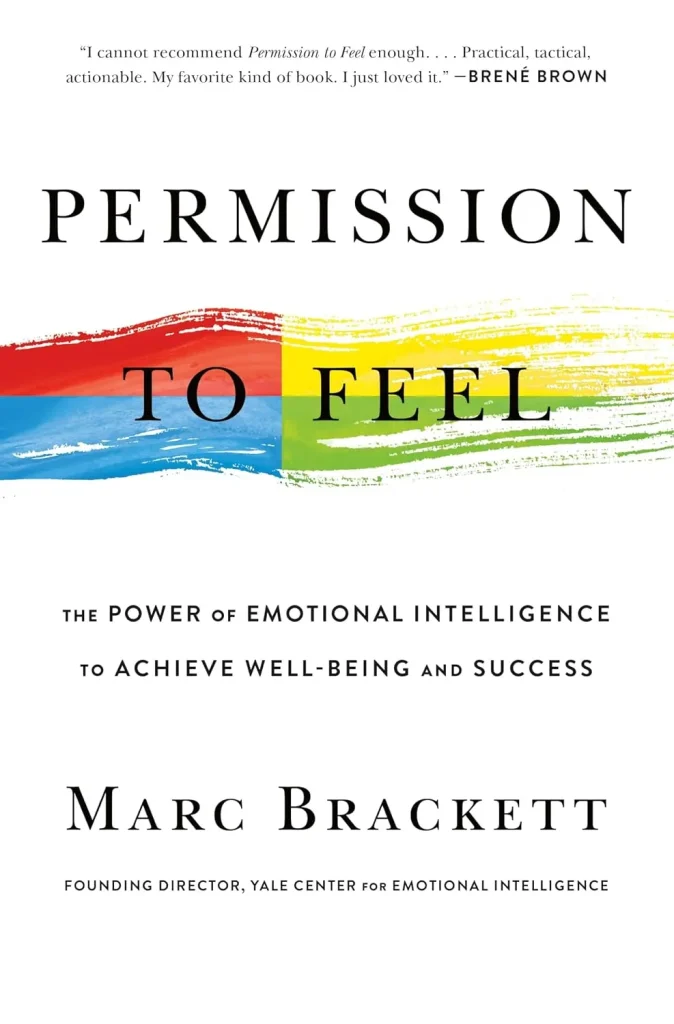
Permission to Feel focuses on emotional literacy and the skills involved in recognizing, understanding, labeling, expressing, and regulating emotions. Marc Brackett presents emotional awareness as something that can be developed rather than a fixed personality characteristic.
For readers who want a practical framework, this approach can be useful because it gives structure to something that often feels vague. Rather than simply telling yourself to calm down, you can start by understanding what emotion is present and what may be driving it.
The book also makes a strong case for treating emotions as useful information. You do not have to obey every feeling, but learning to understand what it is telling you can make your responses more intentional.
What Emotional Self-Regulation Looks Like in Real Life
The skill becomes much easier to understand when you stop thinking about it as “controlling your emotions” and look at ordinary moments instead.
Your child is ignoring you for the third time. A coworker sends an irritating message. Someone criticizes an idea you care about. A friend says something that hits a sensitive spot. In each case, there is a brief space between the emotional reaction and what you do next.
That space may only last a few seconds, but it is where self-regulation happens.
You might slow your response instead of sending the angry message immediately. You might recognize that you are embarrassed before becoming defensive. You might realize that your anxiety is predicting a disaster that has not happened.
The books above approach that space differently, but all five can help you understand it better.
Regulation Is Not the Same as Suppression
There is a difference between staying in control and pretending not to feel anything.
Suppressed emotions do not necessarily disappear. Sometimes they simply show up later as irritability, exhaustion, resentment, or another emotional reaction. Self-regulation gives you another option: notice the emotion, understand it, and decide what deserves to happen next.
That is a much more realistic goal than expecting yourself to stay perfectly calm all the time.
If you found this helpful, these books go deeper into the same themes.



Break the Anxiety Circle
$19.90

From Debt to Wealth
$19.90

