A child is halfway through getting ready when the routine changes. The shoes cannot be found, breakfast takes longer than expected, and suddenly the child is crying on the floor because everything feels wrong. The parent tries to reason with them, then offers a compromise, then raises their voice after several minutes of resistance. What began as a small disruption has become an exhausting battle for everyone.
Meltdowns can be difficult because children often lose access to the very skills parents are asking them to use in that moment. “Calm down” may sound reasonable to an adult, but a child who is already overwhelmed may need help reducing the intensity before they can listen, think, or cooperate.

The following five books approach emotional outbursts from different perspectives. Some focus on brain development, some on collaborative problem-solving, and others on the parent’s role in setting limits without adding more emotional pressure.
The Whole-Brain Child by Daniel J. Siegel and Tina Payne Bryson
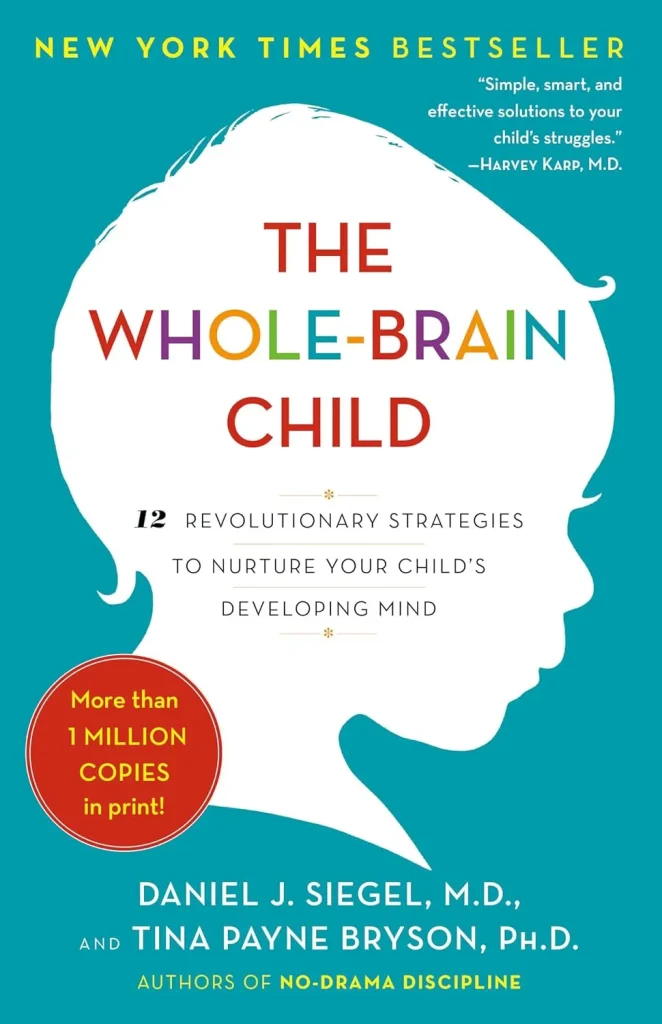
The Whole-Brain Child is one of the most widely known parenting books in this area. Daniel J. Siegel, a psychiatrist, and Tina Payne Bryson, a psychotherapist, explain children’s emotional reactions through the lens of brain development and offer practical strategies for helping children integrate emotions with more organized thinking.
That perspective can be useful during meltdowns because it changes what parents expect from the child in the middle of an intense reaction. Instead of treating an outburst simply as bad behavior, parents are encouraged to consider what developmental or emotional process may be happening underneath it.
The book also provides practical ideas for reconnecting with a child before trying to teach a lesson. For parents who often find themselves giving long explanations during emotional moments, that shift can be especially useful.
The Parent You Aspire to Be by Miles Carter

The Parent You Aspire to Be focuses on the everyday parenting decisions that can make emotional situations either calmer or more difficult. The book addresses tantrums and meltdowns, emotional regulation, highly sensitive children, getting children to listen without yelling, and staying patient when parenting becomes overwhelming.
It also looks at what parents do before and after a difficult episode. Over-reminding, constant correction, stepping into every problem, or reacting from parental anxiety can all shape the atmosphere around a child’s behavior. The book encourages a steadier balance: clear expectations, firm but kind boundaries, and enough space for children to gradually learn how to handle their own emotions and problems.
That makes it relevant beyond the meltdown itself. Parents are not only trying to survive the next difficult moment; they are also trying to build habits that make future moments easier to handle.

The Parent You Aspire to Be
Miles CarterPractical guidance for tantrums, backtalk, lying, screen addiction, emotional outbursts, and everyday parenting struggles.
The Explosive Child by Ross W. Greene
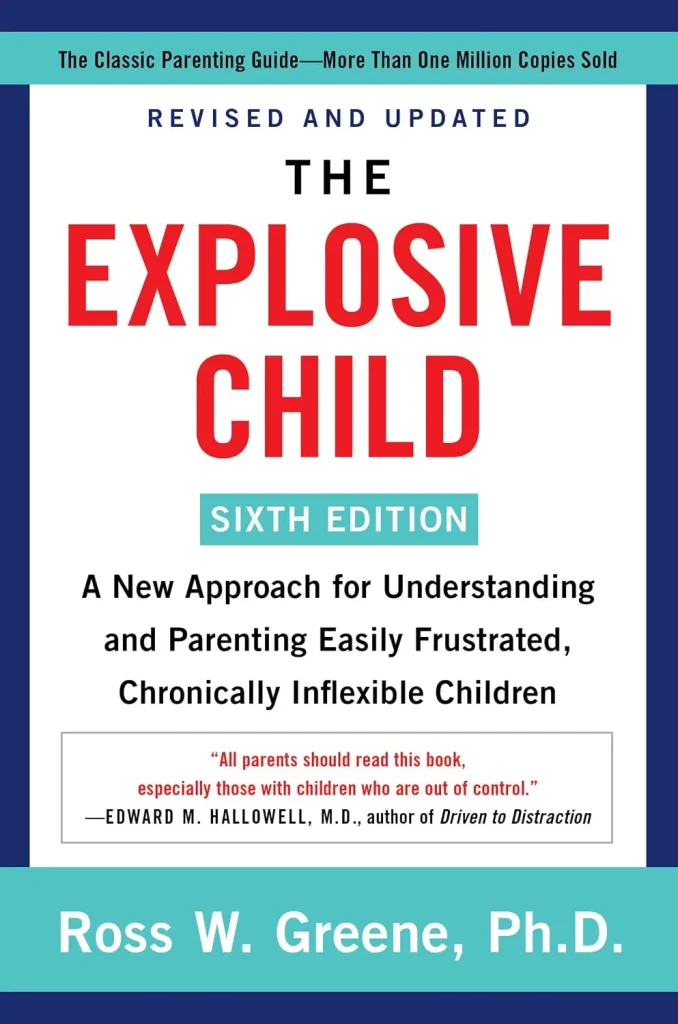
The Explosive Child takes the position that challenging behavior is often connected to lagging skills and unresolved problems rather than simply a lack of motivation or obedience. Ross W. Greene developed the Collaborative & Proactive Solutions approach around identifying the situations that repeatedly trigger difficult behavior and solving those problems together.
This can be a useful perspective when meltdowns seem to follow the same patterns over and over. Perhaps transitions are consistently difficult, certain demands create disproportionate reactions, or a child struggles when plans change unexpectedly.
Instead of focusing only on what happens during the explosion, the approach asks parents to look for the unsolved problem underneath it. That can shift the work from repeatedly reacting to the same crisis toward understanding what needs to change beforehand.
No-Drama Discipline by Daniel J. Siegel and Tina Payne Bryson
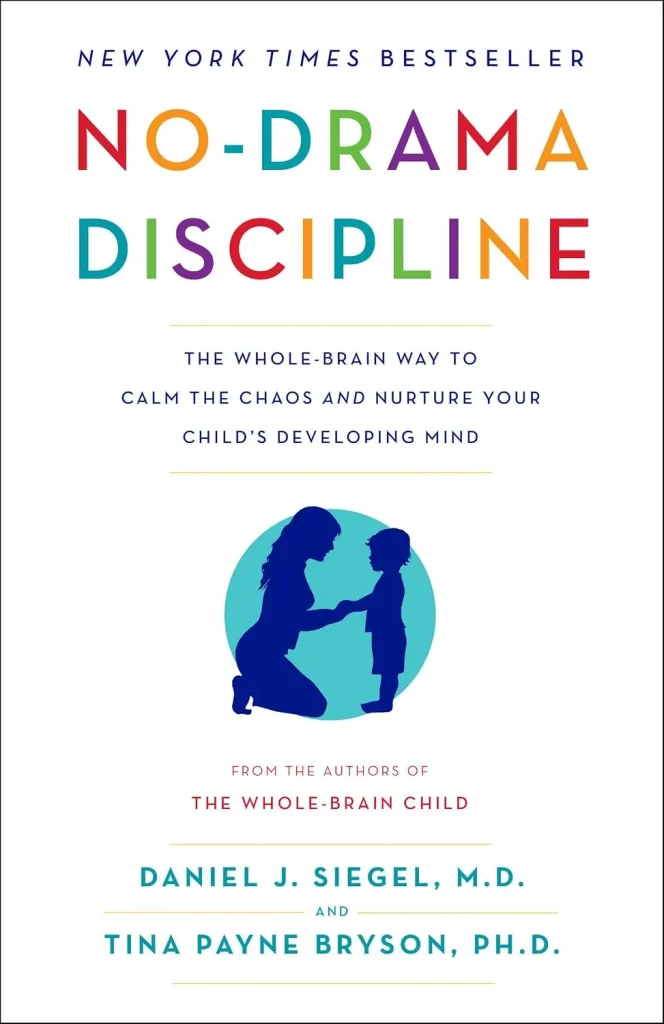
No-Drama Discipline looks at discipline through the relationship between connection, emotional regulation, and teaching. Siegel and Bryson argue that discipline is not simply about stopping unwanted behavior; it is also about helping children learn skills for handling future situations.
This is particularly relevant when a child is already overwhelmed. A long lecture in the middle of a meltdown is unlikely to teach much, but reconnecting first can create a better opportunity to discuss what happened afterward.
The book also gives parents a framework for remaining firm without turning discipline into punishment or humiliation. That balance can be difficult in the moment, especially when the parent’s own patience is running low.
How to Talk So Kids Will Listen & Listen So Kids Will Talk by Adele Faber and Elaine Mazlish
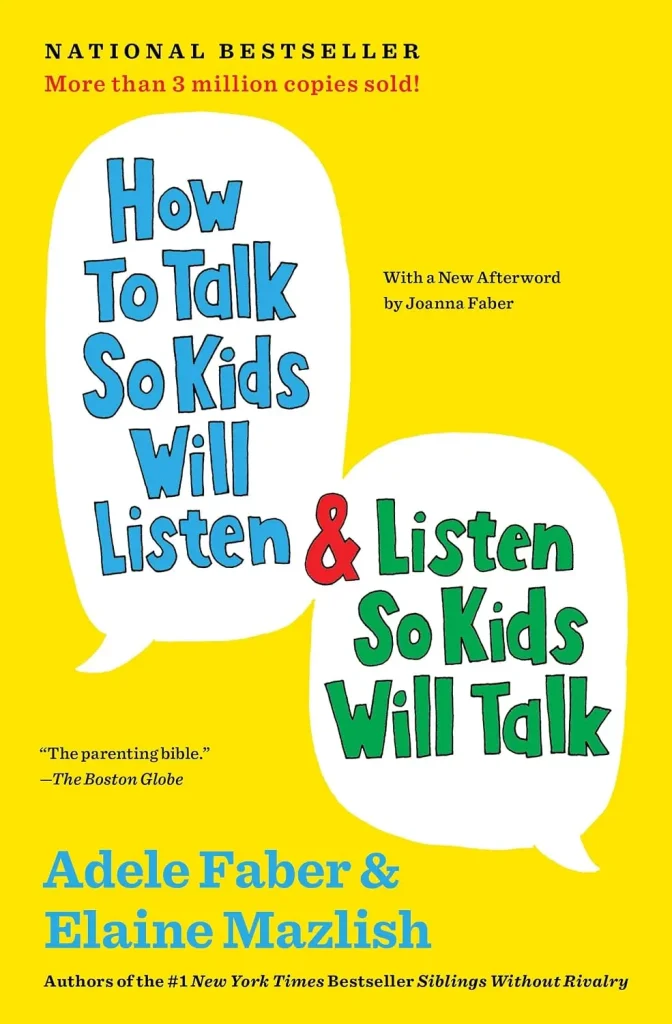
This classic parenting book focuses heavily on everyday communication, including how parents respond when children are upset, resistant, or difficult to reach. Adele Faber and Elaine Mazlish use examples and practical dialogue to show how language can either reduce tension or intensify it.
That makes it useful for parents who notice that their own words sometimes make a difficult moment worse. “Stop crying,” “There’s nothing to be upset about,” or repeated commands may seem reasonable when you are trying to move things along, but they can leave a child feeling even less understood.
The book’s emphasis on acknowledging feelings while still maintaining limits offers parents another way to respond. You can recognize that a child is upset without agreeing to every demand that comes with the emotion.
Look at What Happens Before the Meltdown
One of the most helpful shifts parents can make is to stop looking at the meltdown as the entire event.
What happened ten minutes earlier? Was the child hungry, overtired, struggling with a transition, frustrated by something they could not do, or already carrying several smaller disappointments?
Patterns often become easier to see when you look backward. A meltdown that appears to come “out of nowhere” may have had several signals beforehand.
That does not mean every outburst can be prevented. It does mean parents can sometimes adjust the environment, expectations, or transition before the situation reaches its most difficult point.
During the Meltdown, Less Can Be More
When emotions are very high, parents naturally want to explain, persuade, correct, and solve. But a child who is already overwhelmed may not be able to process a long explanation.
Your voice matters. The number of words matters. So does knowing when to stop talking.
A calm presence and a simple boundary may be more useful than a five-minute lecture. You can acknowledge the emotion, keep the limit clear, and wait until the child is calmer before discussing what happened.
That does not mean ignoring the behavior. It means choosing a moment when the child is actually able to learn from the conversation.
Afterward Is Where Much of the Learning Happens
Once the child has calmed down, the situation looks different.
This can be the time to ask what made things difficult, what the child noticed, and what might help next time. Depending on the child’s age and the situation, you may also need to revisit a boundary or repair something that happened during the meltdown.
The point is not to make the child feel ashamed for losing control. It is to help them slowly build a better understanding of their own patterns.
The five books above offer different ways to approach that work. The Whole-Brain Child focuses on emotional and brain development, The Parent You Aspire to Be connects meltdowns with everyday parenting habits and boundaries, The Explosive Child emphasizes lagging skills and unsolved problems, No-Drama Discipline explores connection and discipline, and How to Talk So Kids Will Listen & Listen So Kids Will Talk focuses on practical parent-child communication.
No single book can prevent every meltdown, but understanding what happens before, during, and after one can give parents more useful choices the next time emotions run high.
Did this article help you see things differently? Our books turn helpful ideas into practical tools you can return to anytime.



Break the Anxiety Circle
$19.90

From Debt to Wealth
$19.90


