For years, Lauren was the person everyone asked for help. She picked up extra work, changed plans when friends needed something, and almost never said no. From the outside, she seemed generous and easygoing. Privately, she was becoming resentful because so many of the things she agreed to were things she never actually wanted to do.
People pleasing can be difficult to spot when it is wrapped in kindness. You may tell yourself that you are simply being considerate, avoiding unnecessary conflict, or making life easier for everyone else. But when saying yes becomes automatic and your own needs are always the part that gets pushed aside, the habit starts costing you something.
Getting out of that pattern usually begins with noticing why other people’s approval feels so important, becoming more comfortable with reasonable boundaries, and learning that someone else’s disappointment does not automatically mean you have done something wrong.
Notice What You Do Before You Say Yes
The most revealing moment may happen before the answer leaves your mouth.
Someone asks you for a favor and your first thought is not whether you want to help. It is whether they will be annoyed if you refuse. You agree to plans because you are worried about disappointing someone. You take on another responsibility because saying no feels uncomfortable.
That reaction is worth noticing.
A pause gives you room to ask yourself what you actually want. “Do I have the time for this?” “Am I agreeing because I want to, or because I am afraid of their reaction?” Those questions can feel surprisingly unfamiliar when you have spent years prioritizing everyone else’s comfort.
Saying No Does Not Need a Long Defense
People pleasers often think a refusal needs to come with a detailed explanation.
They worry that “No, I can’t” will sound selfish, so they provide a full account of their schedule, their other responsibilities, and all the reasons they wish they could help. Sometimes the explanation becomes so long that it sounds like they are asking permission to decline.
A simple refusal can be much healthier.
“I can’t take that on this week, but I hope you find someone who can.”
That is enough in many situations. You can be warm without turning every boundary into a negotiation.
Stop Trying to Prevent Every Disappointment
One of the hardest parts of becoming less of a people pleaser is accepting that someone may occasionally be unhappy with you.
A friend may wish you had said yes. A coworker may need to find another solution. A family member may not understand why you are changing an old habit.
Their disappointment is information about their feelings. It is not automatically evidence that your choice was wrong.
When you constantly organize your behavior around preventing other people’s negative reactions, there is no reliable end point. Someone will eventually be disappointed no matter how carefully you manage everything.
Three Books That Approach People Pleasing From Different Angles
1. Break the Anxiety Circle by Miles Carter

Break the Anxiety Circle connects people pleasing with several patterns that often sit underneath it, including fear of judgment, self-doubt, overthinking, and the need for reassurance. That makes it a strong fit for readers who say yes not because they genuinely want to, but because they cannot stop worrying about what might happen if they say no.
The book also explores boundaries and self-worth, particularly the mental habits that make other people’s reactions feel disproportionately important. Instead of treating people pleasing as a simple behavior to eliminate, it looks at the anxious thinking that can keep the behavior going.
For someone who has already tried to “just say no” and found themselves overwhelmed with guilt afterward, that deeper focus can be especially useful.

Break the Anxiety Circle
Miles CarterA mental reset for people trapped in the overthinking loop. Understand why your mind won’t stop racing — and how to break free from anxiety, people-pleasing, and emotional exhaustion.
2. Set Boundaries, Find Peace by Nedra Glover Tawwab
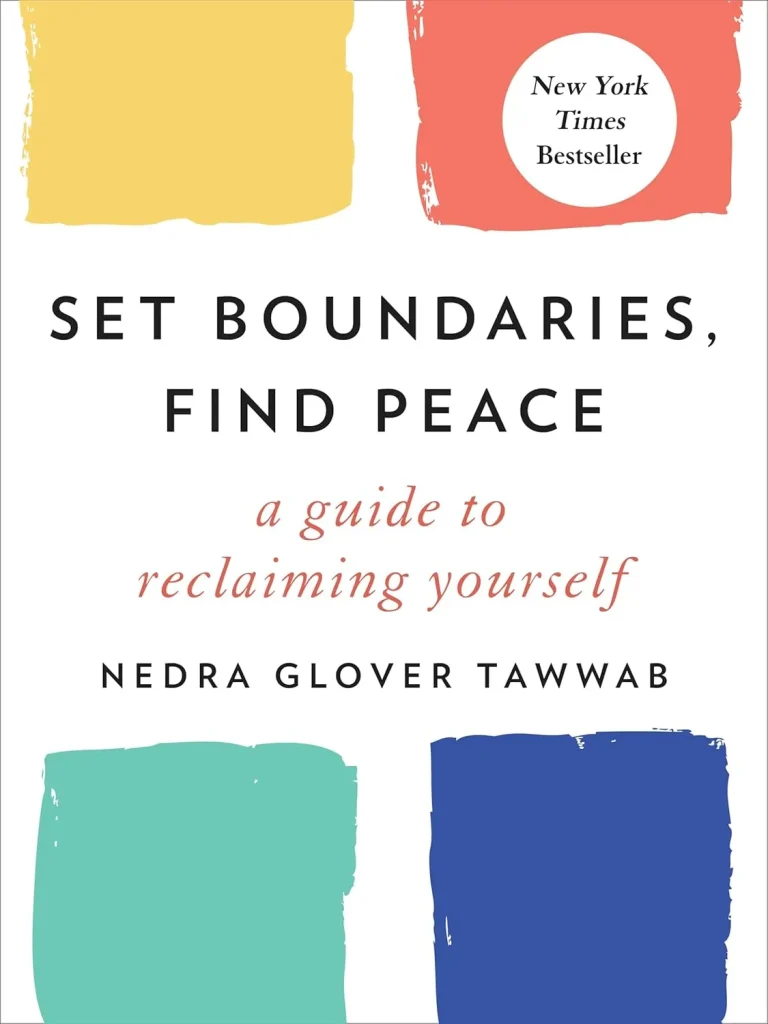
Set Boundaries, Find Peace focuses specifically on what healthy boundaries look like in everyday life. Nedra Glover Tawwab explains why boundaries matter and how they can apply to relationships, work, family, communication, and personal well-being.
The book is especially practical for people who know they need stronger boundaries but are unsure how to express them. It challenges the idea that saying no is inherently unkind and gives readers a clearer framework for identifying what they will and will not accept.
For a people pleaser who tends to feel guilty whenever they put their own needs first, this can provide a useful foundation for changing that pattern.
3. The Disease to Please by Harriet B. Braiker
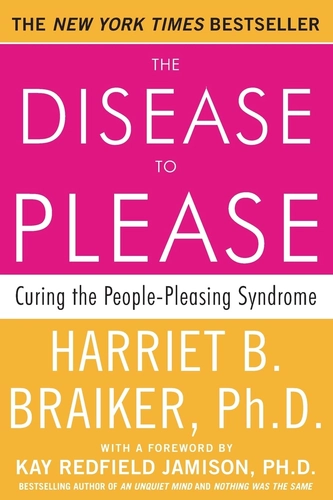
The Disease to Please examines the emotional and psychological patterns behind chronic approval-seeking. Harriet B. Braiker explores why some people become overly concerned with keeping others happy and how that concern can interfere with their own choices and relationships.
The book is useful for readers who recognize that their people pleasing goes beyond occasional favors. You may routinely avoid conflict, suppress your opinions, or feel responsible for other people’s emotions even when you have done nothing wrong.
Its emphasis on breaking the need for approval makes it a natural choice for anyone who wants to understand the habit more deeply rather than simply learning a few phrases for saying no.
Keep Your Own Preferences in the Conversation
People pleasing is not only about boundaries. It can also affect everyday decisions that seem almost too small to matter.
Where do you want to eat? What kind of weekend do you want? Which option do you prefer? Are you actually okay with the plan, or are you agreeing because everyone else seems to want it?
These little moments are useful practice because they let you get familiar with expressing your preferences before you reach a major boundary. You do not have to become confrontational. Simply getting used to saying what you genuinely think can make more difficult conversations feel less foreign.
You Can Be a Caring Person Without Saying Yes to Everything
Being considerate and being a people pleaser are not the same thing. You can care about other people’s feelings while still having limits, preferences, and responsibilities of your own.
The difficult part is often tolerating the uncomfortable feeling that comes with changing an old pattern. You may feel guilty even when you have done nothing wrong, especially at the beginning.
That does not necessarily mean you should reverse the decision. Sometimes guilt is simply the feeling that comes with doing something unfamiliar.
The three books offer different ways to understand that shift. Break the Anxiety Circle looks at the anxiety and self-doubt that can fuel approval-seeking, Set Boundaries, Find Peace focuses on practical boundaries, and The Disease to Please digs deeper into the need to keep other people satisfied.
Over time, becoming less of a people pleaser is not about caring less about people. It is about making sure your own voice is still present when you care about them.
If you found this helpful, these books go deeper into the same themes.



Break the Anxiety Circle
$19.90

From Debt to Wealth
$19.90

