I used to think understanding people meant being good at reading emotions. A change in tone. A strange reaction. A look that felt different.
But over time, I realized something.
People are not defined by one moment.
They are defined by patterns.
A friend who always supports you until you need something from them. A colleague who talks about teamwork but quietly competes with everyone around them. A person who says they care, but their actions tell a different story.
These situations made me ask a question I could not ignore:
Why do we often understand people only after something goes wrong?
That question is what led me to books on human nature and behaviour. I was not looking for a way to judge people. I wanted to understand them better, and maybe understand myself better too.
Quick Answer: How can I understand people more clearly?
Pay attention to repeated actions, notice how people behave under pressure, and trust patterns more than promises.
Why Books About Human Nature and Behaviour Matter
Human behaviour is complicated because people are complicated.
We all have fears, goals, habits, and hidden motivations. Sometimes people do not even fully understand why they act the way they do.
That is why learning about human nature can be useful.
The right books do not teach you to become suspicious of everyone. They help you notice patterns earlier, communicate better, and make clearer decisions about relationships.
These are the books that changed the way I see people.
Awakening to Human Nature
By Owen Pierce
This was the book that changed how I look at everyday interactions.
What stood out to me was not a single theory. It was the focus on patterns.
A person can say they value loyalty, but their actions may change when their interests change. Someone can appear supportive while secretly comparing themselves to you.
This book helped me stop focusing only on what people say.
I started paying more attention to what repeats.
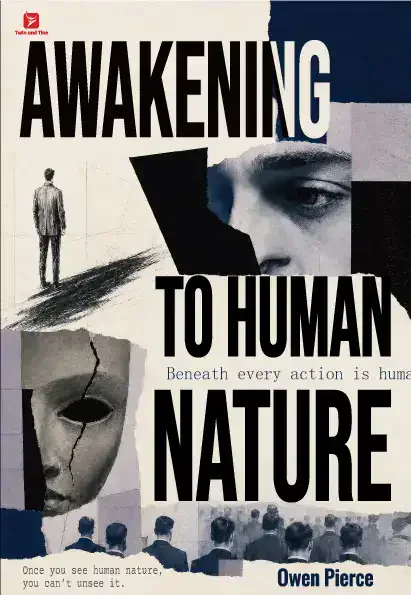
What I learned from this book:
- Actions reveal more than words People often show their real priorities through repeated choices.
- Pressure reveals character The way someone behaves when things become difficult often tells you more than how they act when everything is easy.
- Understanding motives helps you avoid unnecessary hurt Seeing why people act a certain way does not mean excusing their behavior. It means seeing the situation more clearly.
The biggest lesson I took from this book is simple:
You can stay kind while becoming more aware.
Understanding Human Nature
By Alfred Adler
This book gave me a completely different perspective.
Instead of looking at people as isolated individuals, Adler focuses on how people exist within relationships and society.
That idea changed the way I viewed difficult people in my own life.
Sometimes we try to understand someone only by looking at their personality. But their family, environment, goals, and past experiences also shape how they behave.
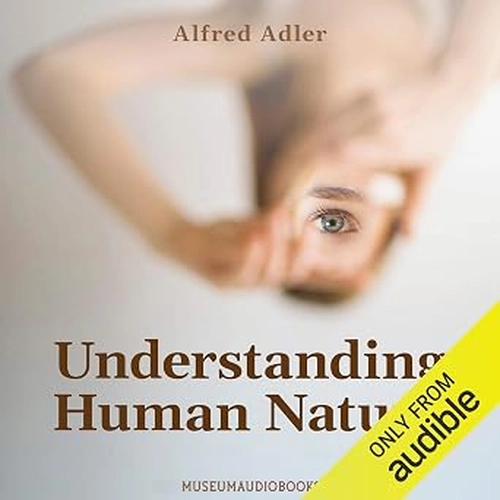
What I liked about this book:
- It explains human behaviour through social connections People make choices based on how they see themselves in relation to others.
- It helps explain deeper motivations Many actions make more sense when you understand what someone is trying to achieve.
- It encourages self-reflection Understanding others also requires understanding our own patterns.
This book reminded me that people are not just their actions. There is always a bigger picture.
On Human Nature
By Edward O. Wilson
This book explores human behaviour from a biological perspective.
At first, I expected it to feel distant. Instead, I found it surprisingly helpful.
It reminded me that many human behaviours are much older than our modern lives. The way we cooperate, compete, protect ourselves, and connect with others has deep roots.
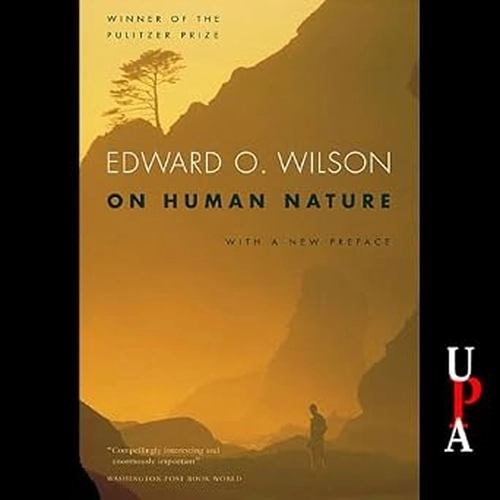
What makes this book interesting:
- A scientific view of human behaviour It looks at why certain patterns appear across different societies.
- A deeper look at cooperation and conflict It explores why humans are capable of both kindness and aggression.
- A reminder that behaviour has many layers People are shaped by biology, experience, and environment.
This book helped me take some things less personally. Not every reaction is about me.
Sometimes it is simply human nature.
How I Read Books About Human Nature Without Overthinking People
One mistake I made when I started reading these books was trying to analyze everyone around me.
That quickly became exhausting.
The goal is not to find flaws in every person.
The goal is to notice patterns.
I started keeping a small notebook. Whenever I noticed something important, I wrote it down.
Not names.
Just patterns.
For example:
- Someone who promises a lot but rarely follows through
- Someone who only appears when they need something
- Someone whose actions stay consistent even when nobody is watching
After a while, I noticed something interesting.
The notebook was not really about other people.
It was about my own blind spots.
It showed me where I ignored signs because I wanted someone to be different.
How Do I Understand People Without Becoming Cold?
This was the biggest question I had.
After learning about manipulation, motivation, and human behaviour, I wondered:
Would I become too cautious?
The answer was no.
Understanding people does not mean losing trust. It means building trust with awareness.
You do not need to assume everyone has bad intentions.
You just need to stop ignoring patterns that keep appearing.
The people worth keeping in your life are usually the ones whose actions match their words over time.
A Simple Practice: The Three-Time Rule
When someone’s behavior feels confusing, do not rush to judge.
Write down what happened.
Then wait.
If the same pattern appears three times, pay attention.
One mistake can happen.
A repeated pattern tells a different story.
This simple habit helped me separate temporary problems from deeper behavior patterns.
Final Thoughts
The best books on human nature and behaviour do not teach you how to control people.
They teach you how to understand them.
They helped me become less surprised, less resentful, and more thoughtful about who I trust.
People are complicated.
But patterns are often clear.
Sometimes seeing clearly is not about becoming smarter.
It is simply about learning to look a little longer.

