I have a confession. I am terrible at reading people. My partner is the opposite. She will meet someone at a dinner party and tell me quietly, something is off with that guy. Six months later, that guy has borrowed money from three people and disappeared. Every single time, I ask myself the same question. Why do I always notice the warning signs too late?
If you have ever asked that question, this article is for you. Books on human nature and psychology exist because most of us walk through life half-blind to what people are actually showing us. We hear words. We miss everything underneath them.
Quick Answer: Why do I miss the signs?
Because you are listening to words instead of watching behavior. Words are easy. Anyone can say I am fine or I would never do that. Behavior is harder to fake, especially over time.

Why Are We Always Late to Notice?
Here is what I have come to believe after years of getting this wrong. We are late because we want to believe the best version of someone. That is not a flaw. It is human. But it costs us.
A family member ran a small shop for twenty years. He told me once, I never trust what a customer says about money. I watch how they treat the waitress. That stuck with me. A person’s small repeated actions tell you more than any promise.
So why do smart people keep missing the signals? Because we listen. We do not watch.
What One Book Taught Me
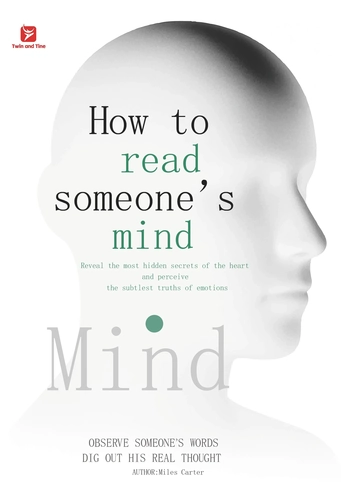
A friend handed me a book last spring. It is called How to Read Someone’s Mind by Miles Carter. I will be honest, I rolled my eyes at the title. It sounded like a party trick. It is not.
The book is a practical guide to understanding people through the signals they reveal every day. Body language. Facial expressions. Tone of voice. Posture. Habits. Repeated behavior. Nothing mystical about it.
What grabbed me was a simple observation in the early pages. The author asks why some people seem trustworthy at first but later show warning signs. Why you can sense that something feels off but struggle to explain why. I had felt that exact feeling a dozen times in my life. I just never had language for it.
The book does not claim you can guess thoughts. It says you can learn to read signals. That difference matters.
Where Do Hidden Emotions Hide?
One chapter looks at how emotions like anger, jealousy, anxiety, and insecurity show up through physical reactions. A forced smile. Avoiding eye contact. Changes in posture. Small nervous movements. These are not random. They are leaks.
Think about the last time a coworker said they were happy for you. Did their tone match their words? Did their shoulders stay relaxed? Did they lean in or pull back? Most of us register these things somewhere in the back of our minds, then ignore them.
The book also explores different personality styles. Overly cautious behavior. Dominant behavior. Gossip. Emotional immaturity. Inconsistency. You start to see that certain people run the same script in every room they enter.
I tested this at a family gathering. My cousin always complains about every job she has. Every boss is unfair. Every coworker is lazy. I used to think she was unlucky. Now I watch the pattern. The common thread in all those stories is her.
The Three-Pass Watch
You do not read a book like this once and become a mind reader. You read it, then you watch. Then you read it again. Here is a small framework that helped me.
First pass. Notice the feeling. That vague sense that something is off. Do not explain it yet. Just name it.
Second pass. Notice the body. Where are their hands? Are they mirroring you or turning away? Does their voice drop or speed up when a certain topic comes up?
Third pass. Notice the pattern. Does this same behavior show up again next week? Next month? With other people?
One pass is a mood. Three passes is a pattern. Patterns are where the truth lives.
How Do You Judge Trust?
People reveal themselves through repeated behaviors. How they treat others. How they handle pressure. How they respond to conflict. How they act when they have nothing to gain.
My partner’s dinner party radar is not magic. She is running the Three-Pass Watch without knowing it. She notices the waiter interaction. She notices who talks over whom. She notices whose story changes slightly each time it is told.
The book puts it simply. Pay attention to these patterns and you make better judgments about trust, boundaries, and relationships.
Who Are These Books For?
They are for anyone dealing with friendships that drain them. Workplace dynamics that confuse them. Dating situations where the words and the behavior do not match. Everyday conversations where you walk away wondering what just happened.
You do not need a psychology degree. You need curiosity and a willingness to watch instead of just listen.
FAQ
Can you really learn to read people from a book?
Yes, if the book gives you signals to watch for. But reading is only half of it. The other half is practice in real life.
What is the most reliable signal someone is not trustworthy?
Repeated behavior. How they treat people who cannot help them. How they act when they have nothing to gain.
How long does it take to get better at this?
Some people notice a shift in weeks. Others take longer. The key is to keep watching and keep checking your assumptions.
What if I read someone wrong?
You will, sometimes. That is normal. The goal is not to be perfect. It is to be less surprised over time.
Is it bad to be suspicious of everyone?
Yes. That is not the goal. The goal is to pay attention without becoming cynical. Trust is still worth giving. You just give it with your eyes open.
One Last Thing
I still miss signals sometimes. My partner still catches what I do not. But I notice more now than I did a year ago. That dinner party feeling, the quiet something is off, arrives a little earlier each time.
I am learning to trust it. That is the whole point of reading people. Not to become suspicious. To stop being surprised.
References
- Carter, Miles. How to Read Someone’s Mind.
- Ekman, Paul. Emotions Revealed. Times Books, 2003.
- Goleman, Daniel. Social Intelligence. Bantam Books, 2006.

