You get paid. The money lands in your account. It sits there for a few weeks, and then it’s gone. Rent, groceries, bills, a few things you barely remember buying. Next month, the same thing happens.
Nobody ever taught you what money is supposed to do when it’s not being spent. So it does nothing. It waits in a checking account earning almost nothing, losing value to inflation, while you work another month to replace it.
The difference between people who build wealth and people who stay stuck isn’t income. It’s what happens to the money after it arrives.
Book 1: From Debt to Wealth by Owen Pierce
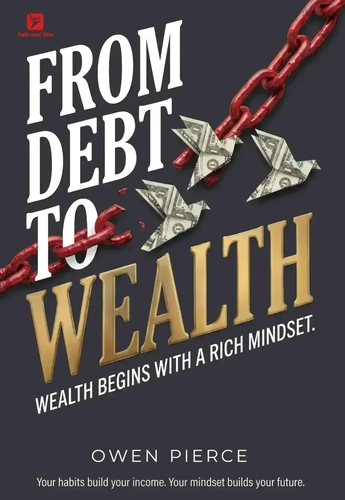
Money that sits still is money that shrinks.
This book starts with a question most people never ask. What is money actually for? Not for spending. Not for saving in the way you’ve been taught. Money is a tool that should be directed, multiplied, and put to work.
You’ll learn why the wealthy think about money differently. They don’t see it as something to earn and spend. They see it as something to acquire assets, generate income, and create freedom. Every dollar they keep becomes a worker. Every dollar you spend becomes a memory.
The book also explains why earning more doesn’t solve anything if the system underneath stays the same. A raise without a new structure just means more spending. The shift happens when you stop seeing money as a thing you have and start seeing it as a thing you direct.

From Debt to Wealth
Owen PierceYour paycheck comes in. The bills go out. And somehow, you’re back at zero again.
Learn why earning more does not always create financial progress—and what has to change before your money starts working differently.
Book 2: The Intelligent Investor by Benjamin Graham
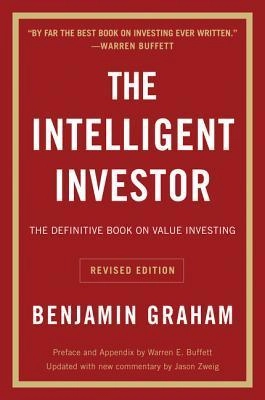
This is the book Warren Buffett called the best book on investing ever written.
Graham, Buffett’s mentor, teaches the difference between investing and speculating. Investing means putting your money into something that produces value over time. Speculating means betting on price movements you can’t predict. Most people think they’re investing when they’re actually gambling.
You’ll learn about the margin of safety, the principle that protects you from bad decisions and bad luck. How to evaluate what something is actually worth versus what the market says it’s worth. Why patience and discipline matter more than intelligence.
What makes this book valuable is its philosophy. It doesn’t tell you what to buy. It teaches you how to think. Once you understand the mindset, the specific investments become easier to evaluate.
Book 3: The Little Book of Common Sense Investing by John C. Bogle
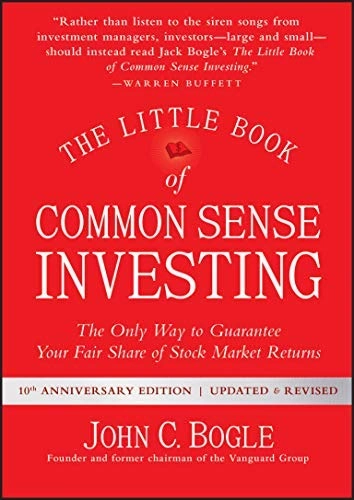
This book makes the case for the simplest, most effective way to make money work for you. Index funds.
Bogle, the founder of Vanguard, spent decades showing that most professional investors fail to beat the market. Fees eat their returns. Timing mistakes cost them money. The average investor would have done better by simply buying a low-cost index fund and holding it for decades.
You’ll learn why chasing hot stocks usually loses to owning the whole market. Why fees matter more than most people realize. Why the best strategy is often the least exciting one. Bogle writes for beginners, and his message is clear: you don’t need to be smart to succeed. You need to be consistent.
The book is short, direct, and considered one of the most important investing books ever written.
Where This Leaves You
You’ve been working for your money. The goal is to get your money working for you. That shift doesn’t happen because you earn more or try harder. It happens when you change what you do with the money after it arrives.
The Intelligent Investor teaches you how to think about value. The Little Book of Common Sense Investing shows you the simplest path to growth. But From Debt to Wealth is where the thinking starts, because making money work for you begins with understanding why it hasn’t been.
Did this article help you see things differently? Our books turn helpful ideas into practical tools you can return to anytime.



Break the Anxiety Circle
$19.90
From Debt to Wealth
$19.90


