It is 7:30 on a school morning, and Emma’s child still has not started getting ready. She has already reminded him twice about his clothes, once about brushing his teeth, and once about the homework sitting untouched on the table. By the time she finally raises her voice, he moves quickly, but the entire morning has become another round of reminders, arguing, and frustration.
This is one of the most exhausting parts of parenting a child who procrastinates. The delay may look like laziness from the outside, but children can put things off for very different reasons. A task may feel overwhelming, they may struggle to organize the steps, or they may simply have become used to an adult stepping in whenever they do not get started.
Books can be helpful here because they move the conversation beyond “How do I get my child to hurry up?” and toward a more useful question: what is making it difficult for this child to get started and follow through?
1. The Parent You Aspire to Be by Miles Carter

The Parent You Aspire to Be looks at procrastination as part of a wider pattern of child behavior and parent-child interaction. Rather than treating every delayed task as defiance, it encourages parents to look at what may be underneath the behavior and consider how their own responses can either help or reinforce it.
The book addresses last-minute behavior, unwillingness to study, over-reminding, and the tendency to step in and solve problems for children. It also focuses on firm but kind boundaries, helping children develop problem-solving skills, and knowing when parents should support a child rather than take over.
That makes it especially relevant when procrastination has become a daily family routine. The goal is not simply to get a child moving faster in the moment, but to gradually create more responsibility and independence around everyday tasks.

The Parent You Aspire to Be
Miles CarterPractical guidance for tantrums, backtalk, lying, screen addiction, emotional outbursts, and everyday parenting struggles.
2. Smart but Scattered by Peg Dawson and Richard Guare
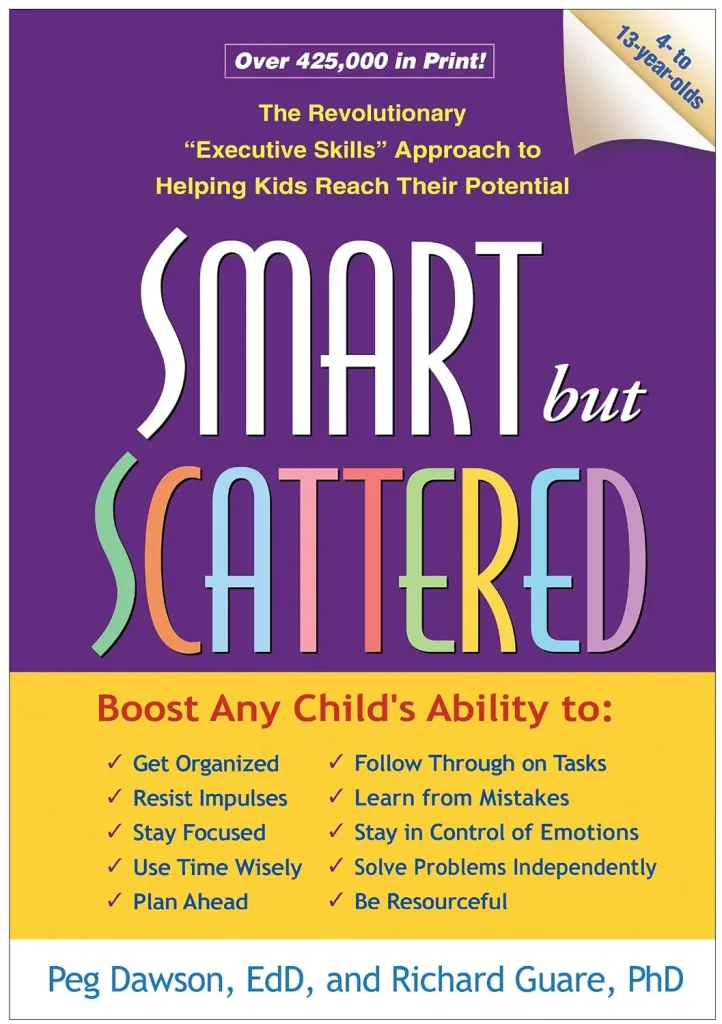
Smart but Scattered looks at executive skills that affect how children manage tasks, time, attention, organization, and follow-through. This can be useful for parents who have noticed that their child understands what needs to be done but still struggles to actually begin or complete it.
The book encourages parents to look at the specific skill that may be getting in the way rather than treating all procrastination as the same problem. One child may need more help getting started, while another may struggle with planning or keeping track of several steps.
Its practical approach can help parents break a frustrating routine into smaller pieces. Instead of repeating the same reminder every day, you can start thinking about what kind of support would help the child handle more of the task independently.
3. The Self-Driven Child by William Stixrud and Ned Johnson
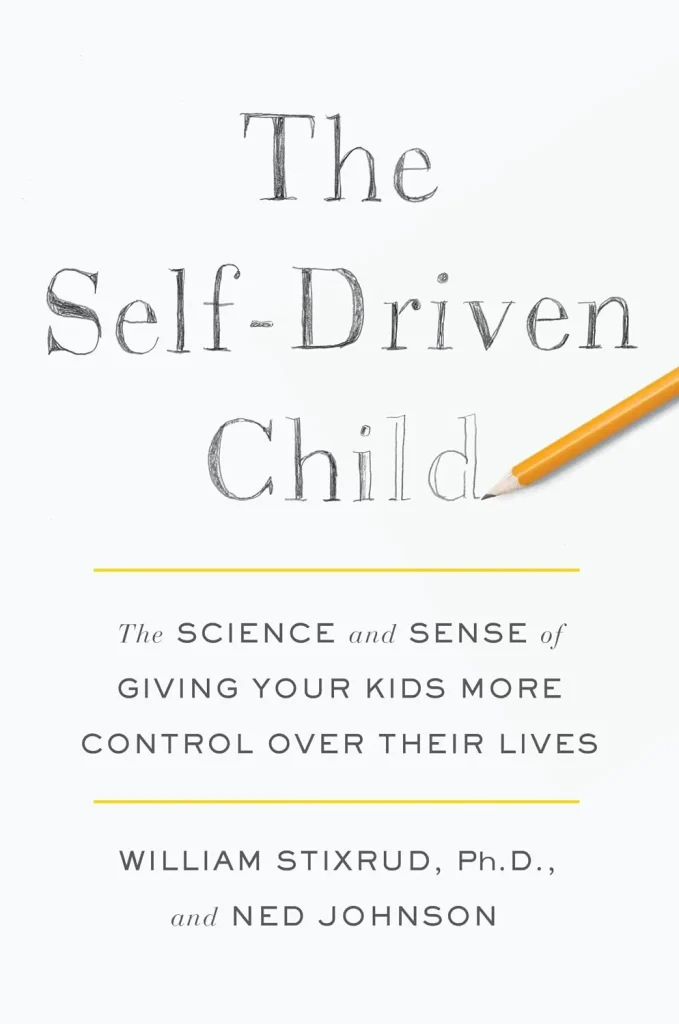
The Self-Driven Child explores the role of autonomy, motivation, and a child’s sense of ownership over their own responsibilities. The book is particularly relevant when parents find themselves constantly pushing, reminding, checking, and monitoring because they are worried their child will fall behind.
One of its useful ideas is that too much parental control can sometimes weaken the very independence parents are trying to build. Children need guidance, but they also need opportunities to experience responsibility and make decisions within reasonable boundaries.
For families caught in a daily cycle of “Have you done it yet?”, this perspective can be valuable. It shifts some of the attention away from getting immediate compliance and toward helping children gradually take more ownership of what they need to do.
Look at the Delay Before You Label It
When a child repeatedly puts things off, it helps to notice what happens before the delay. Does the child avoid tasks that feel difficult? Do they become distracted as soon as something requires several steps? Do they wait because they know an adult will eventually remind them again?
Those details matter because procrastination does not always need the same response.
A child who does not know how to organize a task may need structure. A child who is used to constant reminders may need more room to take responsibility. A child who feels overwhelmed may need help making the first step smaller.
The more specific the reason, the more useful the solution tends to be.
Move From Repeated Reminders to Clear Expectations
Constant reminders can keep everyone busy without actually teaching the child how to manage the task.
A clearer approach is to establish what needs to happen, when it needs to happen, and what the child is responsible for doing. You can still offer help when necessary, but there is a difference between helping a child get started and repeatedly carrying the responsibility for them.
That shift takes patience because it can be uncomfortable at first. Children do not suddenly become organized and consistent because a parent decides to stop reminding them. But gradually giving them more ownership can make the routine less dependent on parental supervision.
The three books above approach procrastination from different angles. The Parent You Aspire to Be focuses on the parent-child dynamic and everyday behavior, Smart but Scattered examines the skills behind follow-through, and The Self-Driven Child looks more closely at motivation and independence.
For parents who are tired of turning every task into a reminder battle, those different perspectives can help reveal what is actually going on beneath the delay.
Did this article help you see things differently? Our books turn helpful ideas into practical tools you can return to anytime.



Break the Anxiety Circle
$19.90

From Debt to Wealth
$19.90


