You make one small mistake at work and, instead of thinking, “I need to fix that,” your mind goes somewhere much harsher: “How could I be so stupid?” Later, the mistake is corrected, but the criticism keeps going. You remember other times you got something wrong, start questioning whether people noticed, and eventually one ordinary mistake has turned into an argument with yourself that lasts all evening.
Negative self-talk can be surprisingly persistent because it often disguises itself as useful thinking. It tells you that being hard on yourself will keep you from making the same mistake, that worrying will help you prepare, or that replaying an awkward moment will somehow prevent another one.
The books below approach that inner dialogue from different angles. Some focus specifically on the way we talk to ourselves, while others explore self-compassion, psychological distance, perfectionism, and the repetitive thought patterns that keep self-criticism alive.
Chatter by Ethan Kross
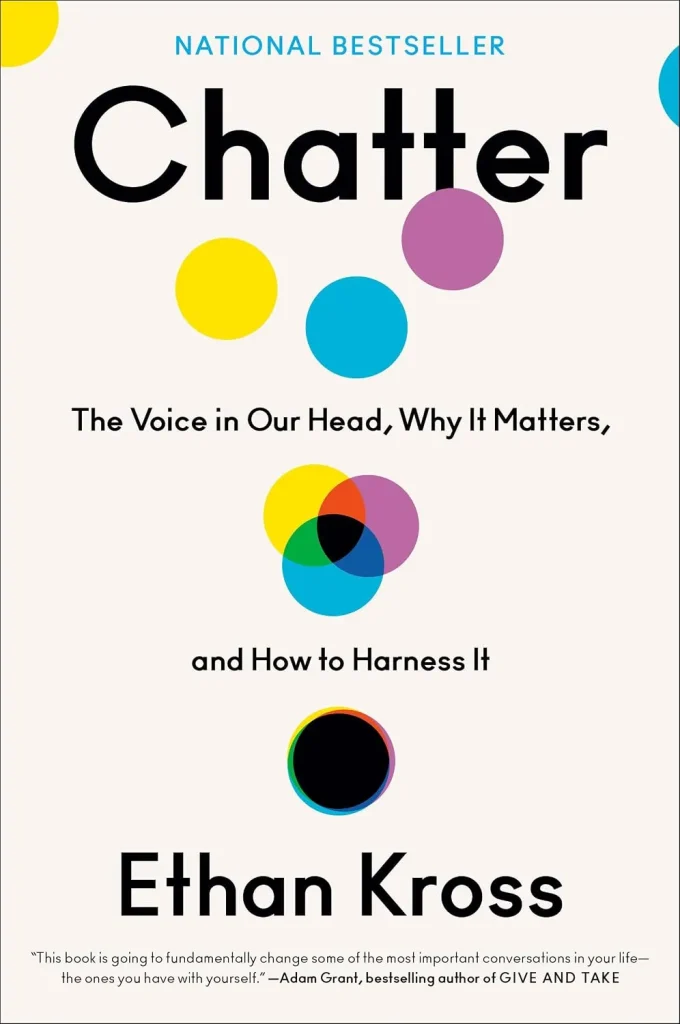
Chatter is a natural starting point for anyone interested in negative self-talk because the book focuses on the internal conversations that can either help us process difficult experiences or leave us stuck inside them. Ethan Kross explores how the voice in our head affects our emotions, decisions, and ability to cope when something goes wrong.
One particularly useful idea is psychological distance. When a problem happens to you, it can feel completely different from the way you would analyze the same situation if it had happened to someone else. Creating some distance can make it easier to evaluate the situation without getting swallowed by the emotional commentary around it.
The book also looks at practical ways to change the way you engage with your own thoughts. For readers who constantly replay mistakes, criticize themselves, or mentally rehearse the same problem, that can offer a more useful alternative to simply trying to “think positively.”
The Gifts of Imperfection by Brené Brown
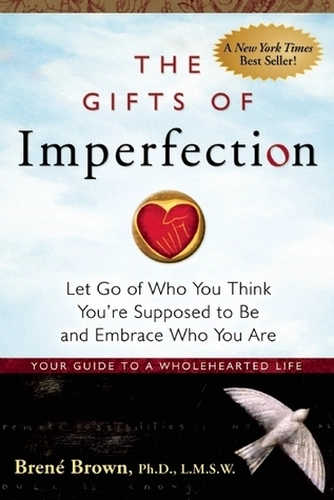
The Gifts of Imperfection approaches negative self-talk through perfectionism, shame, comparison, and self-worth. Brené Brown explores the pressure people place on themselves to be more successful, more capable, more organized, or more impressive before they allow themselves to feel good enough.
That perspective matters because self-criticism often has a hidden condition attached to it. The voice says, “You can relax when you’ve done better,” or “You will be worthy once you’ve finally got this right.”
The book challenges that way of thinking and encourages a healthier relationship with imperfection. It is a good fit for readers whose negative self-talk becomes strongest when they feel they are falling short of their own standards.
Break the Anxiety Circle by Miles Carter
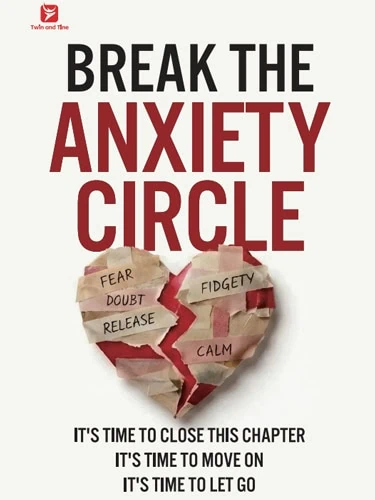
Break the Anxiety Circle focuses on the repetitive mental patterns that make negative self-talk difficult to switch off. The book looks at overthinking, self-doubt, fear of judgment, anxiety loops, and the tendency to keep analyzing a situation after the useful part of the thinking has already finished.
For example, one mistake can quickly become a much larger internal story: “I handled that badly” becomes “I always do this,” which becomes “People probably think I’m incompetent.” The original event may be small, but the mental loop keeps expanding it.
The book is particularly relevant for readers who notice that their inner critic does not simply make one negative comment and stop. It keeps bringing up evidence, revisiting old situations, and looking for certainty. Understanding the pattern can make it easier to interrupt before the self-criticism becomes the main event.

Break the Anxiety Circle
Miles CarterA mental reset for people trapped in the overthinking loop. Understand why your mind won’t stop racing — and how to break free from anxiety, people-pleasing, and emotional exhaustion.
Self-Compassion by Kristin Neff
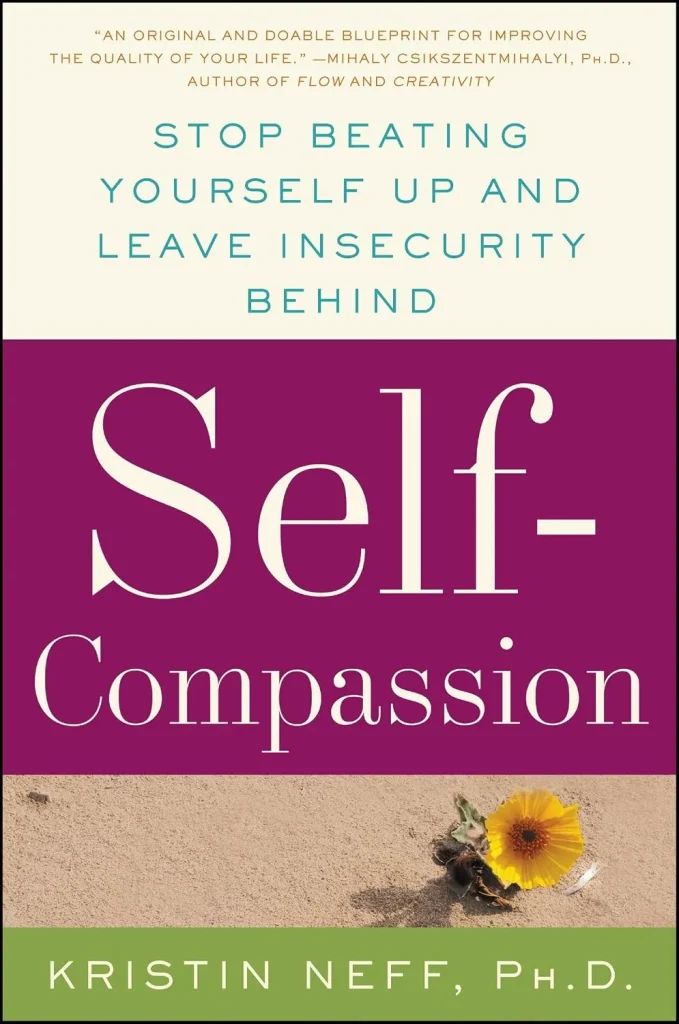
Kristin Neff’s Self-Compassion looks at what happens when people respond to their own difficulties with kindness rather than constant judgment. The book introduces self-compassion as a way of relating to yourself that does not depend on being successful, productive, or free from mistakes.
That is important because some people worry that being less critical will make them less motivated. Neff’s approach challenges that assumption and distinguishes self-compassion from letting yourself off the hook.
For readers whose inner voice becomes especially harsh after failure or embarrassment, the book offers a framework for replacing automatic self-judgment with a more balanced response.
How to Be an Imperfectionist by Stephen Guise
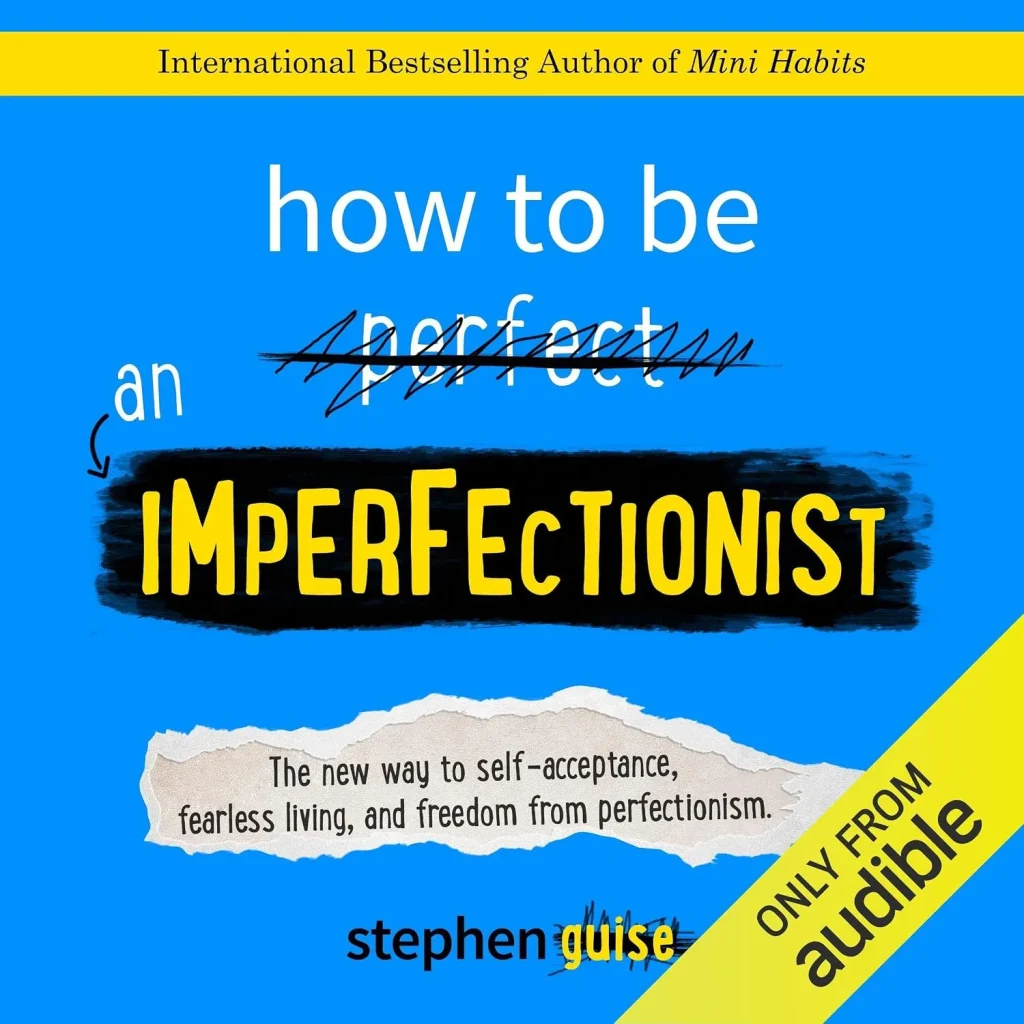
How to Be an Imperfectionist takes a more practical approach to the standards that create self-criticism. Stephen Guise focuses on reducing the pressure to perform perfectly and becoming more comfortable with ordinary mistakes, incomplete work, and imperfect progress.
This can be particularly helpful when negative self-talk is closely tied to procrastination. If every task has to be done exceptionally well, starting becomes difficult, and every small flaw can trigger another round of criticism.
The book encourages readers to make progress more important than perfection. That shift can be useful for people who are tired of trying to motivate themselves by constantly pointing out what they are doing wrong.
Why Negative Self-Talk Feels So Convincing
The inner critic often sounds believable because it uses information you already know. You really did make the mistake. You really did forget something. You really could have handled the conversation better.
What the critic adds is the conclusion.
One mistake becomes evidence that you are careless. One awkward conversation becomes proof that people dislike you. One bad day becomes a prediction about how things will always go.
A useful habit is to separate the event from the judgment attached to it. “I made a mistake” is something you can work with. “I am terrible at everything” is a much larger claim that the original event does not actually prove.
Change the Conversation, Not Just the Words
You do not necessarily need to replace every negative thought with something artificially positive. Telling yourself, “I’m amazing at everything,” may feel just as unrealistic as the criticism.
A more believable response might be: “That did not go well, but I can fix it,” or “I wish I had handled that differently. What can I learn from it?”
The difference is subtle. You are not pretending the mistake was good. You are refusing to use it as evidence against your entire character.
That is the direction shared by many of the books on this list: a healthier inner voice is usually more honest, not simply more flattering.
Which Book Fits Your Kind of Self-Talk?
Your choice may depend on where the criticism comes from. Chatter is a strong option for repetitive inner dialogue, The Gifts of Imperfection for perfectionism and shame, Break the Anxiety Circle for self-criticism tied to anxiety and overthinking, Self-Compassion for harsh self-judgment, and How to Be an Imperfectionist for people whose standards keep turning ordinary mistakes into personal failures.
None of these books asks you to stop caring about improvement. Instead, they offer different ways to make self-reflection more useful and less punishing.
A healthier inner voice can still tell you what needs to change. It just does not have to make you hate yourself in the process.
If you found this helpful, these books go deeper into the same themes.



Break the Anxiety Circle
$19.90

From Debt to Wealth
$19.90

