Relationships can be confusing because people do not always act for the reasons they give. Someone may say they care while repeatedly putting their own needs first. Attraction can develop for reasons we barely understand, and the same conflicts can keep resurfacing even when both people want things to change.
The psychology of relationships goes beyond love and communication. It also involves human motives, emotional needs, desire, and the patterns that shape how people treat one another. These five books offer different perspectives on why people behave the way they do in relationships and what those behaviors can reveal.
1. Why We Love by Helen Fisher
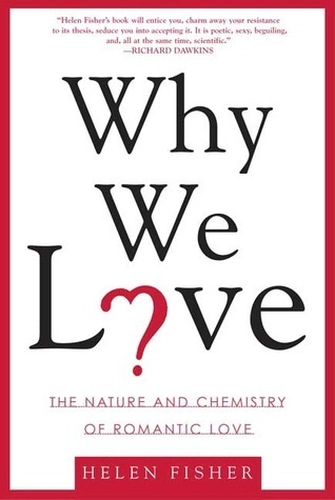
Best for: Understanding the psychology and biology of romantic attraction
Falling in love can change how you think, what you prioritize, and how much attention you give another person. But romantic attraction is more than a matter of personal preference.
In Why We Love, anthropologist Helen Fisher draws on neuroscience and research into romantic love to examine why people fall in love and how this powerful drive affects the brain and behavior. The book explores the biological roots of attraction, the intensity of romantic feelings, and why love can be so difficult to control.
For readers who want to understand why attraction can feel overwhelming and why certain people occupy so much of their thoughts, this book offers a scientific perspective on one of human nature’s most compelling experiences.
2. Awakening to Human Nature by Owen Pierce
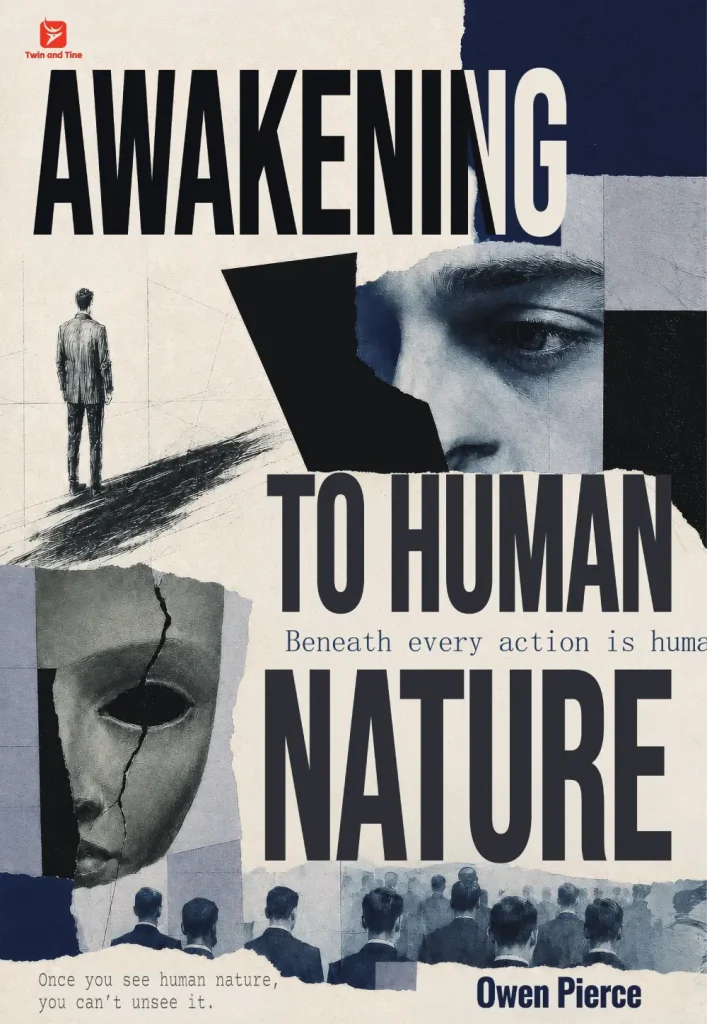
Best for: Recognizing hidden motives and unhealthy relationship dynamics
Sometimes the hardest part of a relationship is figuring out what the other person really wants. Their words may sound sincere, but their actions leave you feeling used, pressured, or uncertain about where you stand.
Awakening to Human Nature examines the psychological forces behind human behavior, including hidden motives, self-deception, emotional pressure, and social power dynamics. It encourages readers to look beyond what people say and pay closer attention to the patterns behind their actions.
This perspective is especially useful when someone repeatedly makes promises without following through, uses guilt to influence your decisions, or seems caring only when they have something to gain. Rather than treating every interaction as proof of someone’s intentions, the book encourages a more careful understanding of behavior and the motives that may drive it.
If you have ever struggled to understand why someone treats you one way in private and another way when their interests change, this book offers a starting point for examining the less obvious side of human relationships.
Awakening to Human Nature
Owen PierceYou saw the signs. You just didn’t know what they meant yet.
Learn how to notice the patterns behind people’s words, choices, loyalty, pressure, and changing behavior.
3. Mating in Captivity by Esther Perel
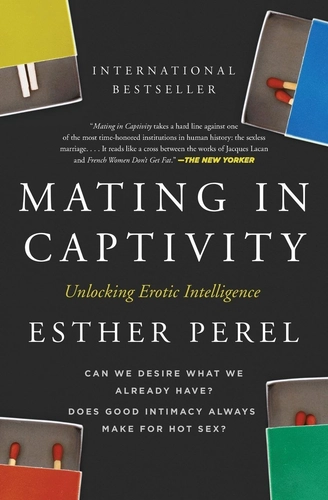
Best for: Understanding desire and attraction in long-term relationships
Why can two people love each other deeply yet struggle to maintain romantic desire? Emotional security can bring partners closer, but familiarity and routine may also change how they experience attraction.
In Mating in Captivity, psychotherapist Esther Perel explores the tension between intimacy and desire in long-term relationships. She examines how familiarity, independence, personal space, and the need for both security and excitement can influence romantic and sexual connection.
The book challenges the assumption that greater closeness automatically creates greater desire. It offers a different way to think about how couples can preserve their individuality while remaining emotionally connected.
For readers interested in why attraction changes over time, this book provides a nuanced look at the psychological tensions that can emerge when love and desire coexist.
4. The State of Affairs by Esther Perel
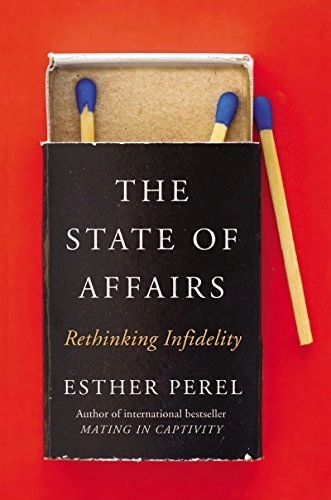
Best for: Understanding infidelity and the motives behind betrayal
Infidelity can shatter trust, but the reasons people cheat are not always as straightforward as they appear. Betrayal can involve desire, dissatisfaction, identity, emotional needs, or conflicts that a couple has never openly addressed.
In The State of Affairs, Esther Perel examines why infidelity happens and how it affects both partners. Drawing on her clinical experience, she explores the meanings people attach to affairs, the expectations surrounding commitment, and the complicated emotions that follow betrayal.
The book does not excuse dishonesty or minimize the harm caused by infidelity. Instead, it examines the psychological factors that can contribute to it and the questions it raises about desire, intimacy, and commitment.
For readers trying to understand the motivations behind betrayal, this book offers a deeper perspective than simply labeling one person right and the other wrong.
5. Atlas of the Heart by Brené Brown
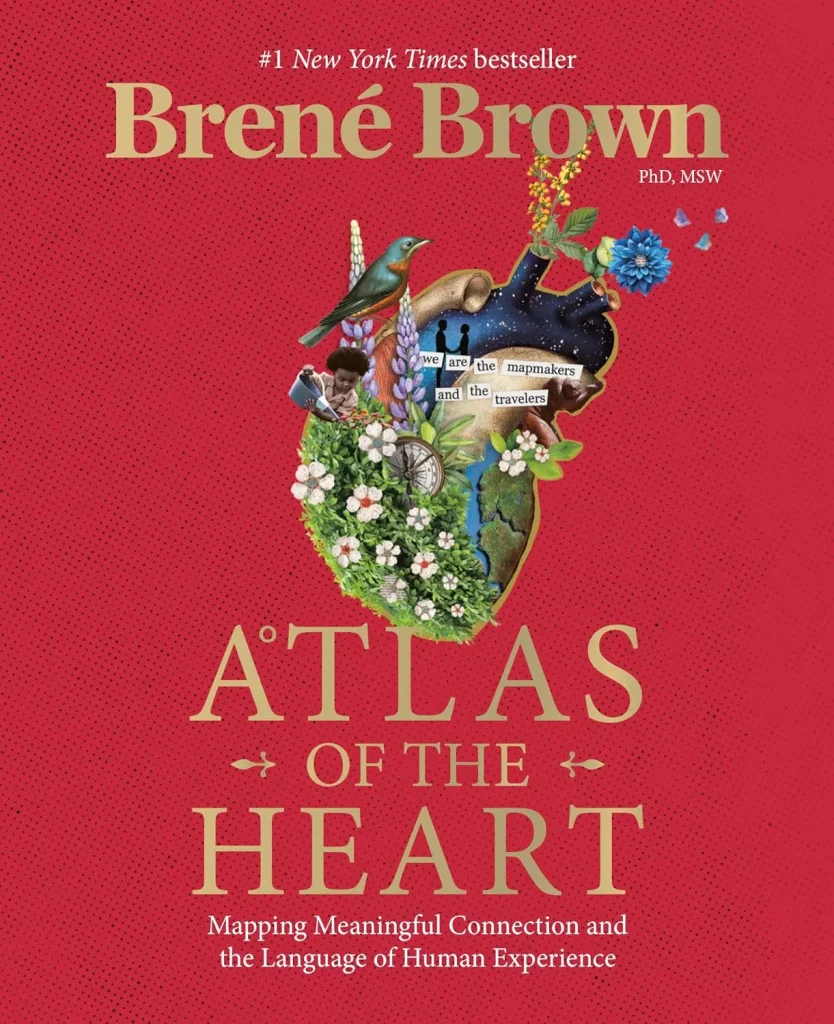
Best for: Understanding the emotions that shape relationships
People often struggle to explain what they feel, especially when several emotions overlap. Hurt can come out as anger, insecurity can look like jealousy, and fear of rejection can lead someone to withdraw or become defensive.
In Atlas of the Heart, Brené Brown examines a wide range of human emotions and experiences, showing how the words we use to describe them can affect our understanding of ourselves and other people.
The book helps readers distinguish between emotional experiences that may seem similar but carry different meanings. This can make it easier to reflect on personal reactions, communicate more precisely, and recognize what may be happening beneath the surface of a difficult interaction.
For anyone who wants to understand the emotional side of human connection, it offers a useful foundation for developing greater self-awareness and empathy.
Which Book Should You Read First
The best choice depends on which part of relationship psychology interests you most.
- Romantic attraction: Why We Love explores the science behind falling in love.
- Hidden motives and manipulation: Awakening to Human Nature examines the less obvious forces that shape human behavior.
- Desire in long-term relationships: Mating in Captivity looks at the tension between intimacy and attraction.
- Infidelity and betrayal: The State of Affairs examines the psychological complexity behind cheating.
- Emotional awareness: Atlas of the Heart helps readers better understand the feelings that influence relationships.
Understand More Than What People Say
Understanding relationships requires more than recognizing emotions or learning how to communicate. It also means paying attention to repeated behavior, the expectations people bring into relationships, and the motives that may influence their choices.
When someone’s actions leave you confused, it is worth looking beyond a single conversation or isolated incident. Patterns can provide important context, although they do not automatically reveal another person’s intentions.
If you want to understand the hidden side of human behavior, Awakening to Human Nature is a useful place to begin. It focuses on the motives, emotional pressures, and social dynamics that can shape how people treat one another, helping you approach complicated interactions with greater awareness.
The more clearly you understand human behavior, the better equipped you are to make thoughtful decisions about trust, closeness, and the relationships you choose to maintain.
If you found this helpful, these books go deeper into the same themes.




Break the Anxiety Circle
$19.90

From Debt to Wealth
$19.90

