You’ve been told your whole life that debt is bad. Avoid it. Pay it off. Get out of it as fast as you can. And if you’re drowning in credit card bills or high-interest loans, that advice is absolutely right.
But here’s what most people miss: not all debt is created equal.
There’s debt that destroys wealth—and debt that builds it. The wealthy don’t avoid debt. They use it as leverage. They borrow money to buy assets that generate income and appreciate in value. The bank pays them for using money that was never theirs to begin with.
This doesn’t mean you should go out and borrow recklessly. It means you need to understand the difference between bad debt and good debt—and how to use the second to create the freedom you’re looking for.
This article explores three books that will help you understand how debt can be used strategically.
Book 1: From Debt to Wealth by Owen Pierce
This book challenges everything you’ve been told about debt.
Most personal finance advice treats debt as a moral failure. Something to be ashamed of. Something to eliminate at all costs. But the wealthy think differently. They understand that debt is a tool—one that can be used to build assets, generate income, and accelerate wealth.
From Debt to Wealth explains the difference between good debt and bad debt. Bad debt buys things that lose value—credit card purchases, cars, luxury goods. Good debt buys things that grow in value—education, real estate, businesses that generate cash flow.
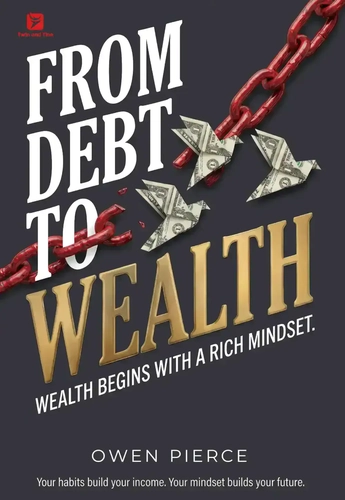
The book also shows you how to use debt to your advantage without falling into the traps that keep people stuck. It teaches you to think like an owner, not a consumer. To use leverage wisely. To understand that avoiding debt entirely is often more expensive than using it strategically.
You’ll learn how to use debt as a bridge between where you are and where you want to go—without putting yourself at risk.
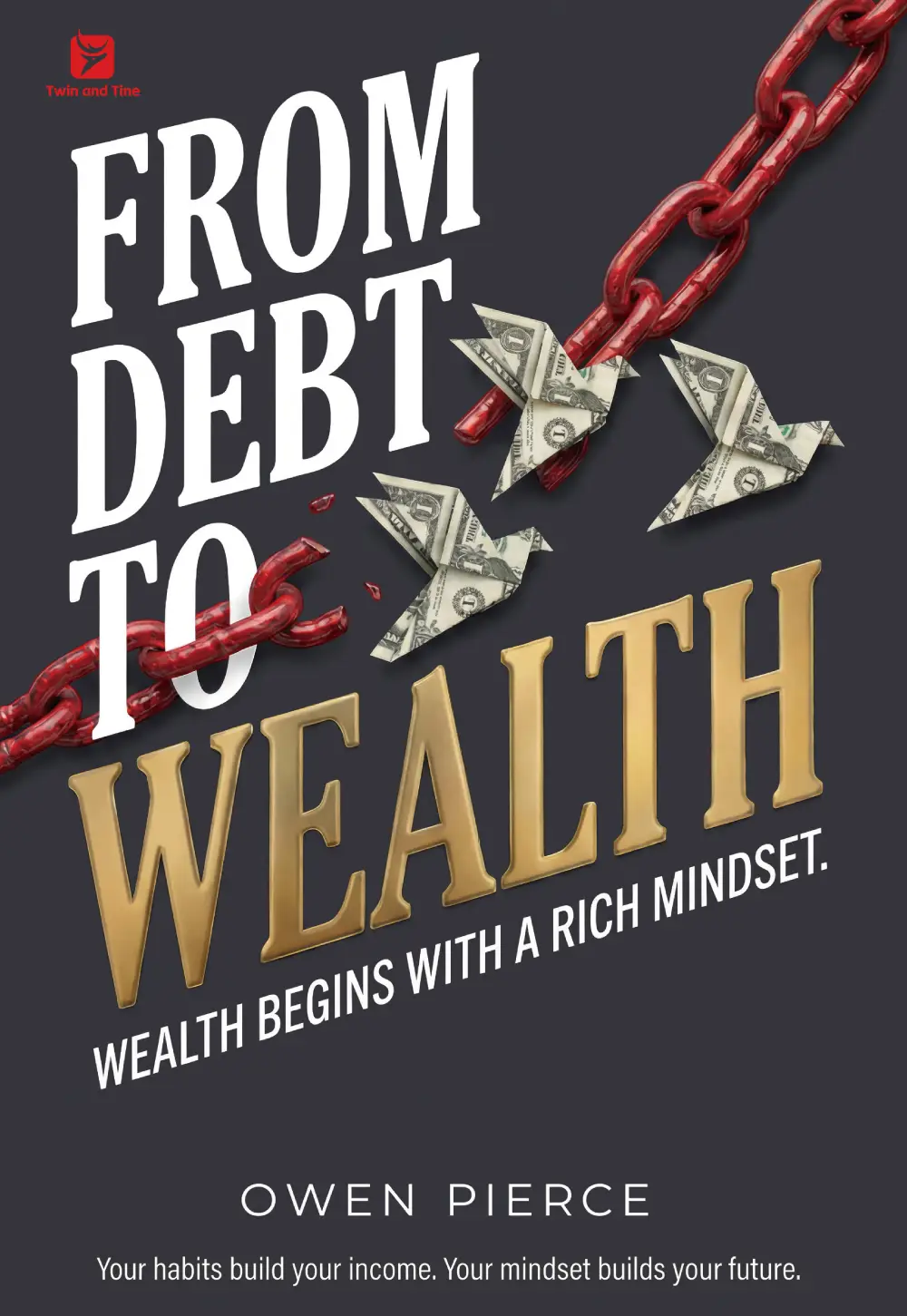
From Debt to Wealth
Owen PierceA money framework for people stuck in the paycheck-to-paycheck cycle. Understand why your income never feels like enough — and how to break out.
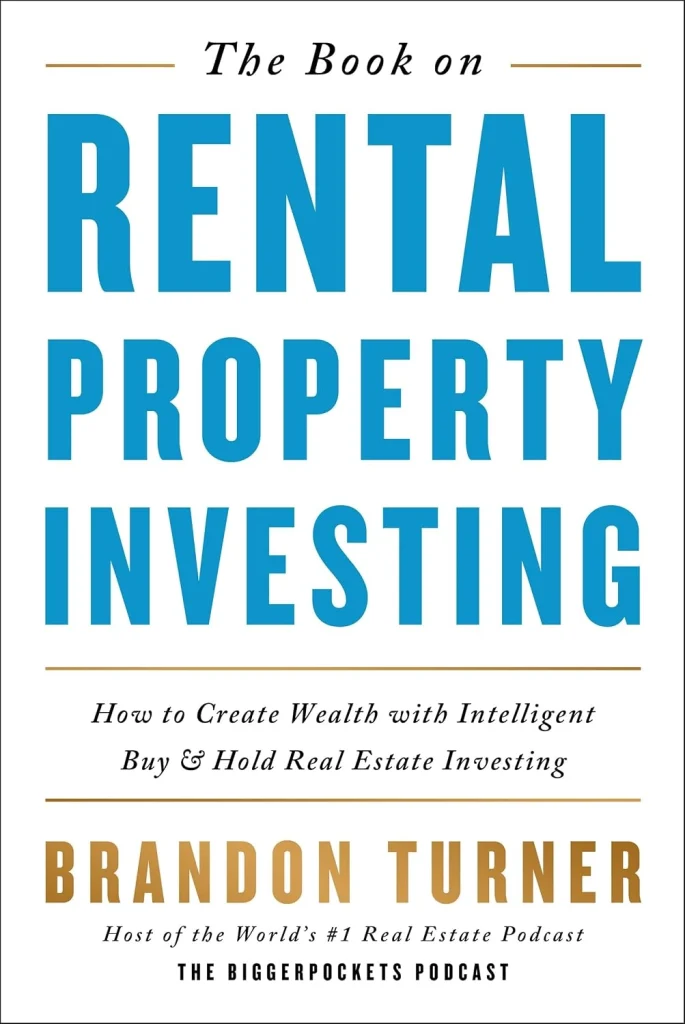
Book 2: The Book on Rental Property Investing by Brandon Turner
Real estate is one of the most common ways the wealthy use debt to build wealth—and this book explains exactly how.
Turner, a real estate investor, walks you through the process of buying rental properties with borrowed money. You learn how to find deals, calculate returns, and manage properties. But the core lesson is leverage: using the bank’s money to buy an asset that generates income and appreciates over time.
The book also teaches you how to minimize risk—how to avoid over-leveraging, how to build reserves, how to protect yourself when things go wrong. It’s practical, detailed, and grounded in real-world experience.
Book 3: Tax-Free Wealth by Tom Wheelwright
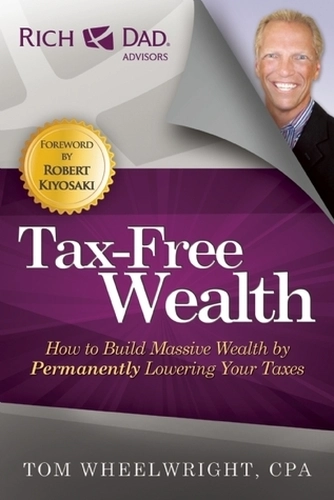
Debt and taxes are connected. This book shows you how to use both to build and protect wealth.
Wheelwright, a CPA, explains how the tax code rewards those who invest in assets and borrow to do so. Interest on investment debt is often deductible. Income from leveraged assets is often taxed at a lower rate. Understanding this changes how you think about borrowing.
What makes this book valuable is its focus on strategy. It’s not just about earning money. It’s about keeping more of what you earn by structuring your finances the right way.
Putting It All Together
The Book on Rental Property Investing shows you how to use debt in real estate. Tax-Free Wealth shows you how to structure it to minimize taxes. But From Debt to Wealth is where it begins—the understanding of why the wealthy see debt differently and how to think about it as a tool rather than something to fear.
If you’ve been avoiding debt entirely, you might be missing one of the most powerful tools for building wealth. The goal isn’t to borrow recklessly. It’s to borrow wisely. And that starts with understanding the difference between debt that destroys and debt that builds.