Understanding the Psychology Behind Persuasion, Emotion, and Connection
Have you ever bought something you did not need because a salesperson made you feel understood? Or agreed to something because you did not want to seem difficult? Or walked away from a conversation feeling like you had been gently steered somewhere you did not plan to go?
It happens to all of us. Influence is not always loud. It is not always manipulative. Most of the time, it is subtle. A tone of voice. A well-timed question. A feeling of being seen.
Here is the truth. Understanding how influence works does not make you cynical. It makes you aware. And awareness gives you a choice.
Quick answer: How do I understand when someone is influencing me?
You notice the emotional pull before you respond, watch for patterns in how people treat you over time, and pay attention to body language and tone, not just words.
Here are three books that explain the psychology behind influence and persuasion from different angles. One teaches you to read body language and hidden intentions in real time. One helps you understand what your emotions are trying to tell you. One gives you a vocabulary for 101 different feelings so you can recognize what is happening inside you and others.
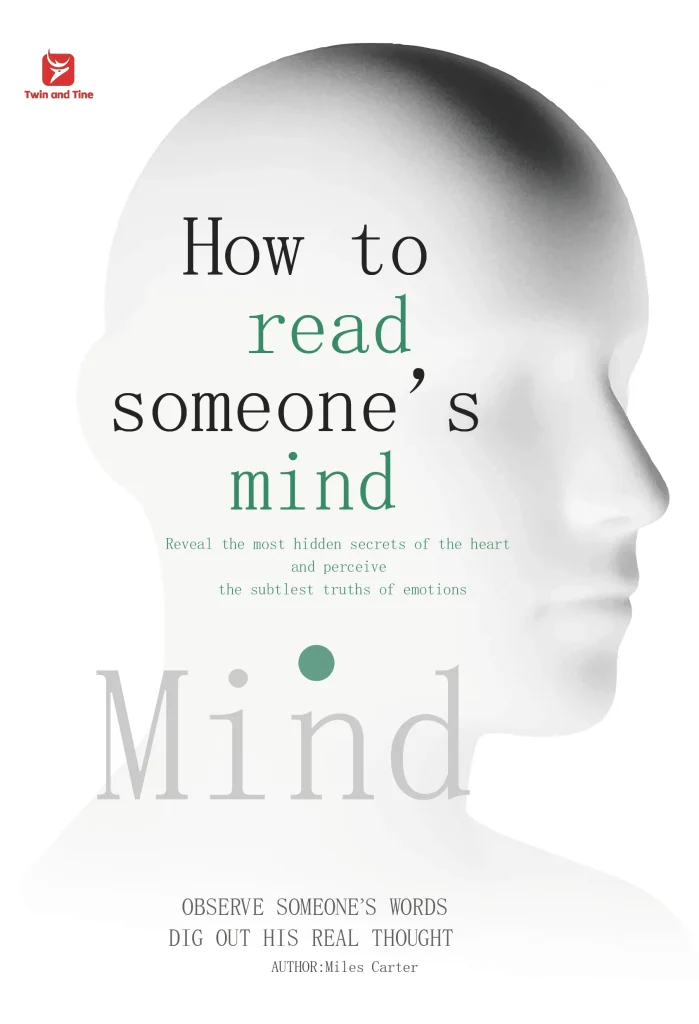
How to Read Someone’s Mind
Why do I always notice the warning signs too late?
This book by Miles Carter is for anyone who has ever thought, “Something felt off. I just wish I had noticed it sooner.”
What makes this book different:
Most books about influence focus on tactics. This one focuses on signals. It teaches you to read what people reveal through their body language, tone, posture, habits, and repeated behavior.
What you get:
| What you learn | Why it matters for influence |
|---|---|
| Reading body language and nonverbal cues | You notice when words and actions do not match |
| Spotting hidden emotions and shifting intentions | You sense when something is off before it is obvious |
| Recognizing recurring behavior and personality patterns | You see people clearly over time, not just in one moment |
| Communicating more effectively | You respond instead of react |
| Making better judgments about trust and boundaries | You avoid people who are not good for you |
One key idea: People reveal themselves through repeated behaviors. How they treat others. How they handle pressure. How they respond to conflict. How they act when they have nothing to gain.
Best for: Anyone who wants to read people more accurately and stop getting blindsided.
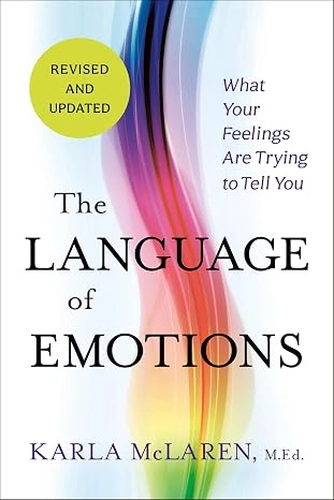
The Language of Emotions
What your feelings are trying to tell you.
Karla McLaren wrote this book to challenge a common belief. Emotions are not problems to be solved. They are messages to be understood.
What makes this book different:
Most of us were taught to either repress our feelings or let them run wild. McLaren teaches a third way. Listen to them. Each emotion carries information. Even the uncomfortable ones. Especially the uncomfortable ones.
What you get:
- How to safely feel and identify emotions, especially the most intense ones
- Practices for working with feelings, including setting boundaries and grounding
- Five key skills for building empathy
- How emotions help resolve trauma
- Insights on anxiety, loneliness, and more
One key idea: Emotions are not weaknesses. They are a source of vitality, personal growth, and healing. When you understand what your emotions are telling you, you become harder to manipulate. Because you know what you are feeling and why.
Best for: Anyone who wants to understand their own emotional landscape, which is the first step to understanding others.
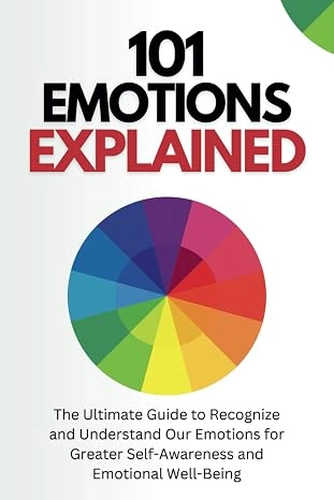
101 Emotions Explained
The ultimate guide to recognize and understand our feelings.
Javier Sanz wrote this book to expand your emotional vocabulary. Because you cannot understand what you cannot name.
What makes this book different:
It is not a textbook. It is a guide for reflection. Emotions are personal. They are shaped by your culture, your environment, and your experiences. This book offers insights, not instructions.
What you get:
- 101 emotions explained clearly
- A space to reflect on how emotions influence your interactions
- A way to expand your emotional vocabulary
- Tools for greater self-awareness and empathy
- Insights that start conversations and inspire self-exploration
One key idea: The more precisely you can name what you are feeling, the better you can understand what others are feeling. Emotional vocabulary is a superpower for connection.
Best for: Anyone who wants to understand themselves and others more deeply through the language of emotion.
Which Book Should You Read First?
If you want to read people more accurately in real time, start with How to Read Someone’s Mind. It gives you concrete signals to watch for.
If you want to understand your own emotions first, pick up The Language of Emotions. It helps you listen to what your feelings are telling you.
If you want to expand your emotional vocabulary, go with 101 Emotions Explained. It gives you words for what you are feeling.
Many people read all three. Each one offers something the others do not.
Final Thought
Influence is not good or bad. It is human. We influence each other all the time. The question is whether you are aware of it.
When you understand body language, you see what people do not say. When you understand emotions, you know what you are feeling and why. When you have the vocabulary, you can name it.
That awareness is your protection. Not against connection. Against manipulation.
Start with one book. Try one technique. See what happens.
Frequently Asked Questions
Is this about manipulation?
No. It is about awareness. When you understand how influence works, you can recognize it. You can choose whether to go along with it or not.
Which book is best for understanding other people?
How to Read Someone’s Mind is the most directly focused on reading others. The Language of Emotions and 101 Emotions Explained help you understand the emotional landscape beneath behavior.
Do I need a psychology background?
No. All three are written for general readers. No jargon. No prerequisites.
Can I really learn to read people?
Yes. It is a skill. It takes practice. But anyone can get better at noticing signals and patterns.

