You have seen it happen.
Someone at work who takes credit for others’ work gets promoted. A leader who manipulates and intimidates keeps rising. A person who lies, cheats, or cuts corners ends up ahead.
You start wondering: if honesty and hard work matter, why does it sometimes look like the opposite is true?
The world does not always reward kindness, honesty, or hard work immediately. Understanding why requires looking at how human behavior actually works—not how we wish it worked.
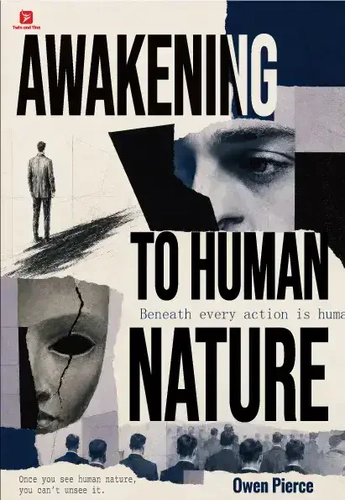
Awakening to Human Nature by Owen Pierce
Understand the hidden forces behind success and behavior
I used to think that people who succeeded were simply more capable. I assumed that if someone was successful, they must be smarter, harder working, or more talented.
Then I started noticing exceptions. People who were manipulative but kept winning. People who took advantage of others but never faced consequences.
Pierce’s book helped me understand why. He explains that many people who succeed in questionable ways are not necessarily smarter or more strategic. Pierce helps explain why certain behaviors can appear successful in the short term. People avoid conflict, want to believe the best in others, and mistake confidence for competence.
A person who takes advantage of others often gets away with it not because they are smarter, but because others do not want to call them out. A person who manipulates gets ahead because people want to believe their promises. A person who seems confident gets opportunities because confidence signals competence—even when it is empty.
This book does not excuse bad behavior. It explains why it persists.
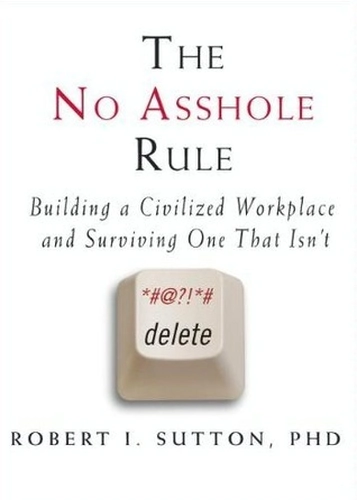
The No Asshole Rule by Robert Sutton
Understand why toxic people survive in organizations
If bad people are so bad, why do they keep winning?
Sutton, a Stanford professor, spent years studying how destructive personalities operate in organizations. He found that toxic people survive not because they are indispensable, but because organizations tolerate them. They get excused for being “high performers.” People are too afraid to confront them. Power protects power.
I remember watching a manager at a previous job who was openly condescending to junior staff. He took credit for their work, dismissed their ideas, and made people feel small. And he kept getting promoted. I assumed someone would eventually step in. Nobody did.
This book helped me understand why. It showed me that toxic behavior persists when organizations reward results above everything else. It also gave me a framework for recognizing when a person’s behavior crosses a line—and when to stop waiting for someone else to fix it.
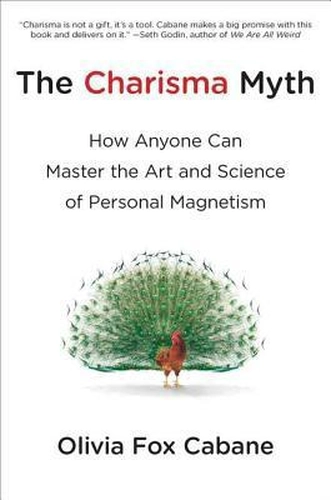
The Charisma Myth by Olivia Fox Cabane
Understand why people believe confident people
This was the most uncomfortable lesson for me.
I had always believed that if you worked hard and did good work, you would eventually be recognized. I assumed competence was the only thing that mattered.
Cabane explains that charisma is not about being charming in a superficial way. It is about presence, warmth, and confidence. People who project these qualities are often trusted more, even when they are not more capable. People who hesitate, second-guess, or admit uncertainty are sometimes seen as less competent—even when they are right.
This does not mean you should fake charisma. It means you should understand why it matters. The person who speaks with authority may not know more than you. They may just be better at appearing certain.
What these books taught me
The first book helped me understand the internal forces that drive questionable behavior: self-interest, status, and the avoidance of discomfort.
The second book helped me understand why organizations tolerate bad behavior: fear, convenience, and misplaced priorities.
The third book helped me understand why confident people often get ahead, even when their competence is questionable. Charisma can create trust, and trust creates opportunity.
Bad people do not always win. But they sometimes do because the world does not automatically punish bad behavior. It rewards perception, confidence, and visibility. And it is easier to take advantage of people who want to believe the best.
Understanding these patterns is not about becoming like these people. It is about becoming harder to manipulate and better at recognizing what actually drives success.
