Most people who do harmful things do not wake up thinking: “I am the bad guy.” They usually have a story that explains why they are right. That is what makes human behavior so difficult to understand.
You have probably had this experience. Someone you trusted did something you never expected. A colleague you respected crossed a line. A friend made a choice that seemed completely out of character. Or maybe you look back at your own behavior and wonder: “Why did I do that?”
Most of us assume that good people do good things and bad people do bad things. This is comforting. It is also wrong.
The reality is more uncomfortable. Ordinary people can do terrible things under the right conditions. The difference between a good person and a harmful person is often not character. It is circumstances, pressure, and the stories people tell themselves to justify their choices.
The three books below explain why this happens. One helps you understand the patterns people reveal without realizing it. One shows how ordinary people become capable of extraordinary cruelty. One explains the psychology behind how people justify harming others.
Quick Comparison
| Book | The Question It Answers |
|---|---|
| How to Read Someone’s Mind | What are people revealing without saying it? |
| Ordinary Men | How can ordinary people become capable of cruelty? |
| Evil | Why do people believe they are justified? |
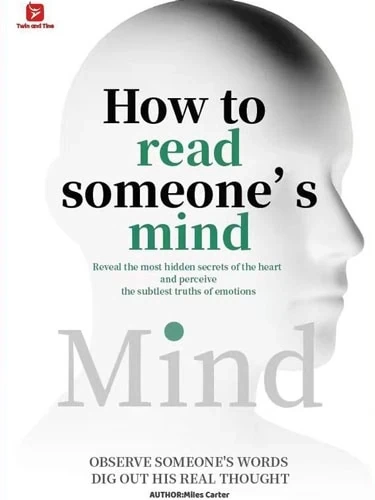
1. How to Read Someone’s Mind by Miles Carter
Most people assume they would notice if someone they knew was heading down a dangerous path. They think the warning signs would be obvious. They are not. The patterns that reveal who someone really is are often subtle.
Carter wrote this book for people who want to understand the small patterns that reveal who people really are. He does not teach you to memorize gestures or decode micro-expressions. He teaches you to notice the shifts that happen when something is off. Changes in how someone communicates. Hesitation before answering. A mismatch between words and actions. These do not mean someone is dangerous. But they are patterns worth noticing.
The goal is not to become suspicious of everyone. The goal is to stop missing what is already there. Before extreme behavior happens, there are almost always small shifts in how a person acts. They are just subtle enough to ignore.
This is the book for you if: you want to understand the everyday patterns that reveal who people really are.
2. Ordinary Men by Christopher Browning
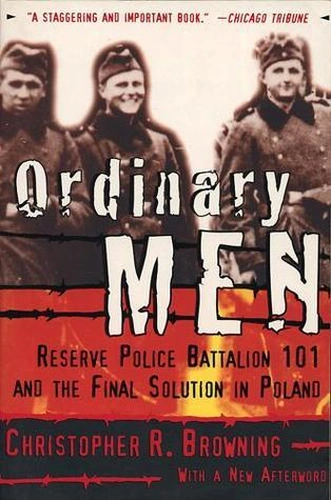
If you have ever wondered how ordinary people become capable of doing terrible things, this book answers that question.
Browning tells the story of Reserve Police Battalion 101, a group of German men who were not ideologically committed Nazis. They were ordinary people: factory workers, teachers, shopkeepers, fathers. Many had no strong political beliefs. Yet over the course of a few years, they participated in the mass murder of thousands of Jewish men, women, and children.
Browning does not try to explain this away. He shows how it happened, step by step. It was not one moment of evil. It was a series of small choices made over time, each one easier than the last. The men were influenced by authority, group pressure, and a system that gradually normalized violence.
The book does not let you off the hook. It forces you to ask: what would I have done? The honest answer is often uncomfortable. But it is also important. Because until you understand how ordinary people become capable of doing harmful things, you cannot recognize the pattern when it is happening around you.
This is the book for you if: you want to understand how otherwise normal people can participate in harmful behavior.
3. Evil: Inside Human Violence and Cruelty by Roy Baumeister
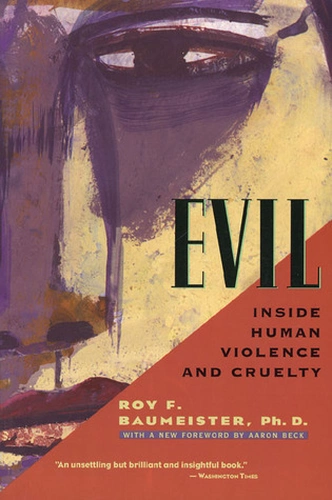
The most dangerous thing about harmful behavior is that the people who do it rarely see themselves as villains.
Baumeister is a psychologist who spent decades studying why people hurt others. His conclusion is unsettling: most people who cause harm do not think of themselves as bad people. They rationalize their behavior. They see themselves as victims or as people doing what they had to do.
The book explores the psychology behind cruelty: why people justify hurting others, why they blame the victim, and why they believe they are the ones who are right. Baumeister argues that understanding this is not about excusing harmful behavior. It is about recognizing the patterns of thought that enable it.
If you have ever wondered why some people do not seem to feel guilty, or why people who do terrible things often seem to believe they are doing the right thing, this book explains why.
This is the book for you if: you want to understand the psychology behind how people justify causing harm.
Understanding human nature is uncomfortable because it removes the easy answer. People are not simply divided into good and bad. Behavior is shaped by patterns, pressure, beliefs, and circumstances.
These three books answer three different questions. Carter helps you see the small patterns people reveal. Browning shows how environment can change ordinary people. Baumeister explains how people justify harmful behavior.
If you want to understand what people are revealing without saying it, start with Carter.
If you want to understand how ordinary people become capable of cruelty, read Browning.
If you want to understand why people believe they are justified, pick up Baumeister.
These books will not teach you to judge people faster. They will teach you to understand people more clearly.
