You have probably encountered this. A friend who never apologizes. A manager who shifts blame when things go wrong. A partner who refuses to accept their part in a conflict. You present clear evidence, and they still will not admit it.
The harder you push, the more they resist.
It is easy to assume they are simply stubborn or proud. But the real reason runs deeper. For many people, admitting they are wrong feels like a threat to who they are. It is not about the issue anymore. It is about identity.
These books explain why people protect their self-image at the cost of the truth.
Awakening to Human Nature by Owen Pierce

Why being wrong feels like a threat to identity
Most people assume that when someone refuses to admit they are wrong, they are being dishonest or defensive. Pierce argues that the real driver is more basic. Admitting fault means acknowledging that they had a choice and made a mistake. That admission threatens their self-image. It challenges their sense of competence. It disrupts their belief that they are a good person.
A person who cannot apologize is not necessarily proud. They may be unable to face what the apology would say about them. A person who shifts blame is not always dishonest. They may be protecting themselves from shame. A person who doubles down on a bad decision is not always irrational. They may be trying to preserve their sense of being right.
Pierce helps you see the hidden logic behind the refusal. You stop asking “why won’t they just admit it?” and start seeing what is at stake for them.
What you will learn:
- How self-image makes admitting fault feel threatening
- Why people rewrite their own memory to avoid blame
- How shame and identity keep people stuck in defensiveness
- How to see the protection behind the refusal
Who should read this: Anyone who has ever been frustrated by someone who could not admit they were wrong.
Being Wrong by Kathryn Schulz
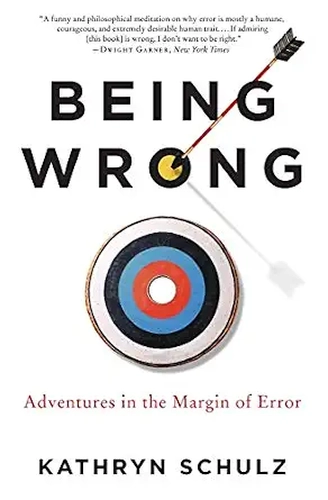
Why being wrong feels so uncomfortable
Schulz spent years exploring one of the most uncomfortable human experiences: the moment you realize you were wrong. She argues that the discomfort is not just about the mistake itself. It is about what the mistake reveals about your own certainty.
Most people go through life assuming that their beliefs are accurate. When that assumption is challenged, it feels disorienting. But the reality is that human certainty is often an illusion. People can feel completely sure about something that is false.
Schulz explains why people cling to their mistakes even when evidence piles up against them, why the feeling of being right is so compelling, and how to live with the discomfort of being wrong.
What you will learn:
- Why certainty and truth are not the same thing
- How people rationalize their own errors
- Why the fear of being wrong is often stronger than the desire to be right
- How to become more comfortable with being wrong
Who should read this: Anyone who has ever wondered why they feel so uncomfortable when they make a mistake.
Maybe You Should Talk to Someone by Lori Gottlieb
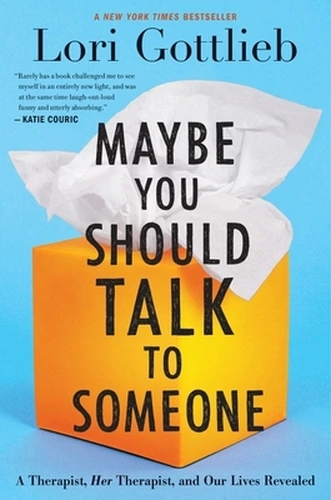
Why admitting the truth is harder than it looks
Some people cannot admit they are wrong not because they do not see the evidence, but because the truth is too painful to face.
Gottlieb, a therapist, writes about the stories people tell themselves to avoid uncomfortable truths. Her patients struggle with patterns that they cannot see. One cannot admit she is unhappy in her marriage. Another cannot face his role in his own failures. Gottlieb herself discovers that she has been telling herself a story about her own life that is not quite true.
In each case, admitting the truth would mean losing something: a sense of self, a belief about the world, or a story that has held them together. The refusal to admit being wrong is rarely about the facts. It is about what the facts would require them to confront.
This book helps you see why people cling to their version of events even when evidence suggests otherwise.
What you will learn:
- Why people avoid uncomfortable truths
- How personal narratives shape what people are willing to see
- Why admitting fault can feel like losing something essential
- How to recognize the stories you tell yourself
Who should read this: Anyone who has ever wondered why the truth sometimes feels impossible to accept.
Why this pattern matters
One of the most frustrating patterns in relationships is watching someone refuse to see what is obvious to everyone else. What you see as dishonesty or pride is often fear. The person you are frustrated with is not trying to hurt you. They are protecting themselves from something they cannot face.
Understanding the pattern does not excuse it. But it changes what you do next. You stop taking it personally. You stop trying to win the argument. You start seeing what is actually happening beneath the surface.
These books help you see that pattern clearly.
FAQ
Why do some people absolutely refuse to admit they are wrong?
Admitting fault means acknowledging a failure in judgment, character, or competence. For many people, that feels like a threat to their identity. The refusal is not about the issue. It is about self-protection.
Is refusing to admit you are wrong a sign of narcissism?
Not always. It can also be driven by shame, fear, or a deeply ingrained pattern of self-protection. However, a consistent refusal to acknowledge fault across all situations may point to deeper issues.
How do you get someone to admit they are wrong?
You cannot force someone to admit they are wrong if they are not ready. The most effective approach is to focus on shared goals rather than blame. But even then, change requires willingness on their part.
Can someone change if they never admit they are wrong?
Change requires awareness. If someone cannot see their own patterns, they are unlikely to change. However, some people eventually reach a point where the cost of denial becomes too high. That is when change becomes possible.
