You tell yourself you should not care what people think. But one negative comment stays in your mind all day. You replay a conversation. You wonder if you sounded stupid. You change what you say because you are worried how it will be received.
Why does someone else’s opinion have so much power over you?
The answer is not simply insecurity. Caring about how others see us is deeply connected to human nature, identity, and belonging.
Awakening to Human Nature by Owen Pierce
Why other people’s opinions affect us
Think about a time you disagreed with a group but stayed quiet. Or shared an opinion and immediately regretted it. Or held back from saying something because you feared how it would land.
Pierce explains that people are not only trying to achieve goals. They are also trying to protect the way they see themselves. A criticism does not only feel like information. It can feel like a threat to your identity.
“Maybe I am not good enough.” “Maybe people do not respect me.” “Maybe I am failing.”
This is why a small comment can stay in your mind for days. The comment is not the real weight. The threat to self-image is the weight.

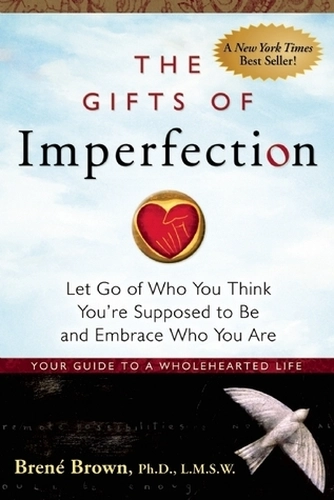
The Gifts of Imperfection by Brené Brown
Why judgment feels so painful
Brown explains why other people’s opinions can hit so hard. Many people are not afraid of criticism itself. They are afraid of what criticism seems to prove. A mistake becomes “I failed.” A rejection becomes “I am not wanted.” A disagreement becomes “Something is wrong with me.”
The fear is not about the critic. The fear is that their judgment confirms a deeper fear: that we are not enough. This is why people spend so much energy managing how others see them. It is not vanity. It is an attempt to prevent the shame of being found lacking.
Brown’s research shows that people who are less shaken by judgment are not the ones who never get criticized. They are the ones who stop using criticism as proof of their value.
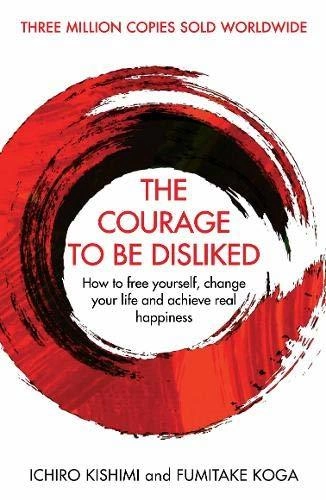
The Courage to Be Disliked by Ichiro Kishimi and Fumitake Koga
How to stop letting opinions control you
You cannot control other people’s opinions. You can only control whether you organize your life around them.
This book challenges the idea that your life should be built around earning approval. The authors argue that many people are not suffering because others judge them. They are suffering because they have made those judgments the center of their decisions.
The goal is not to stop caring about people. The goal is to stop letting their approval decide your worth.
What you will learn
From Awakening to Human Nature:
- Why self-image makes people vulnerable to judgment
- How threats to identity feel bigger than they are
- Why the fear of disapproval is not a character flaw
From The Gifts of Imperfection:
- How shame shapes the fear of being judged
- Why people avoid vulnerability to protect their image
- How to stop using others’ opinions as proof
From The Courage to Be Disliked:
- Why approval seeking is a choice, not a requirement
- How to separate what others think from what you value
- What changes when you stop making approval the goal
Why these books together
The first book explains why humans are wired to care about judgment. It is not a weakness. It is how identity works.
The second book explains why judgment hurts. It touches shame and the fear of not being enough.
The third book offers a different path. Not isolation. Not rebellion. A way to separate people’s opinions from your own worth.
FAQ
Why do I care so much about what others think?
Because humans are social beings. Acceptance, rejection, and reputation have always affected our sense of safety and belonging. Caring about what others think is not a flaw. It is how social life works.
Is caring what others think a bad thing?
No. Social awareness helps people build relationships. The problem begins when other people’s opinions become more important than your own values. The shift is not from caring to not caring. It is from caring too much to caring appropriately.
How do I stop worrying about people’s opinions?
Start by understanding why approval feels necessary. When you understand the fear behind it, you can make choices based on your values instead of avoiding judgment. It is not about ignoring people. It is about not letting them define you.
