Someone says “I’m fine,” but everything about the way they say it tells you otherwise. A colleague agrees to something, but their tone and reaction suggest something different. A partner withdraws, and you have no idea why.
You can feel that something is being hidden. You just cannot tell what it is.
The truth is that people hide feelings for many reasons. Sometimes they are protecting themselves. Sometimes they are protecting others. Sometimes they simply do not have the words for what they feel.
The three books below reveal three different layers of hidden emotion. One helps you notice the signals people reveal without realizing it. One helps you understand the emotions behind those signals. One helps you understand why some emotions become hidden patterns.
Quick Comparison
| Book | The Question It Answers |
|---|---|
| How to Read Someone’s Mind | “What is this person showing without saying it?” |
| Emotional Intelligence | “What emotion is underneath this behavior?” |
| The Body Keeps the Score | “Why does this emotional pattern exist?” |
Layer 1: What People Reveal
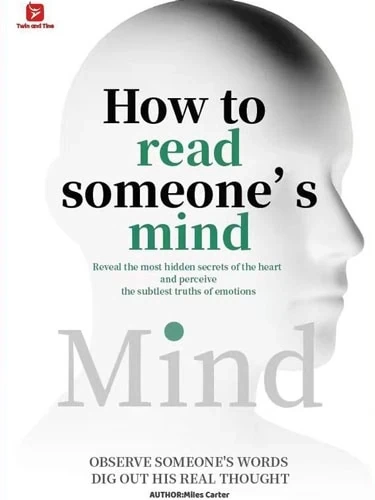
How to Read Someone’s Mind by Miles Carter
You have probably had this experience. Someone says all the right things, but something underneath feels wrong. You cannot explain why. You just know.
That is not your imagination. That is your brain picking up signals you were never taught to name.
Pierce wrote this book for people who are tired of missing what is right in front of them. He does not teach you to memorize gestures or decode micro-expressions. He teaches you to notice the patterns people show without realizing it. Changes in tone. Hesitation before answering. A mismatch between words and actions.
People often reveal emotions they are trying to hide, not through obvious signs, but through small changes in their normal patterns. Most people have consistent patterns. When those patterns break, something has shifted underneath.
This is the book for you if: you want to stop missing what people are already showing you.
Layer 2: What People Cannot Express
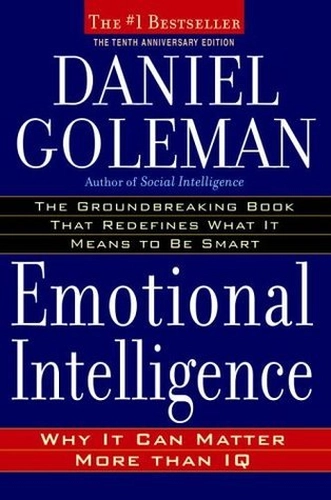
Emotional Intelligence by Daniel Goleman
Sometimes people hide their feelings because they do not know how to express them. Sometimes they hide them because they do not even recognize them.
Goleman’s book is about the ability to recognize, understand, and manage emotions—in yourself and in others. He argues that emotional intelligence plays a major role in how people understand themselves, manage emotions, and build relationships.
The book breaks down the components of emotional intelligence: self-awareness, self-regulation, motivation, empathy, and social skills. It explains why some people struggle to name what they feel. Why others are overwhelmed by emotions they cannot control. Why some people seem unable to read the room.
Understanding this changes how you see people. You stop assuming others are being dishonest when they cannot express what they feel. You start recognizing that many people simply lack the emotional vocabulary to tell you what is really going on.
This is the book for you if: you want to understand the emotions behind people’s behavior—including the ones they cannot name.
Layer 3: Why Some Feelings Become Hidden Patterns
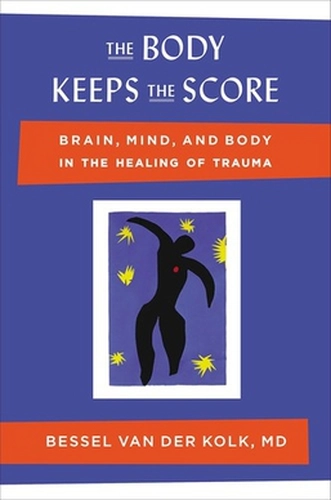
The Body Keeps the Score by Bessel van der Kolk
Some emotional patterns cannot be explained by the present moment. They come from somewhere earlier.
Van der Kolk is a psychiatrist who spent decades studying how trauma affects the body and brain. His book explains why some people struggle to trust, avoid intimacy, or remain constantly on guard. Not because they are difficult. Because they learned to protect themselves.
The book explores how past experiences shape emotional responses. Why some people cannot express vulnerability. Why others shut down in conflict. Why some people seem incapable of letting others in.
Not every hidden emotion comes from trauma, but past experiences can influence the way people protect themselves emotionally. Understanding this changes how you see people. You stop asking “why are they like this?” and start asking “what might have shaped them to become this way?” Not to excuse harmful behavior, but to understand the invisible forces that drive it.
This is the book for you if: you want to understand why some emotional patterns run so deep that they become invisible.
Understanding why people hide their true feelings is not about becoming better at guessing. It is about seeing the layers beneath behavior.
Pierce helps you notice what people reveal without realizing it. Goleman helps you understand the emotions behind those signals. Van der Kolk helps you understand the experiences that shape emotional patterns.
If you are confused by someone’s behavior, start with Pierce.
If you understand the behavior but want to understand the emotion behind it, read Goleman.
If you want to understand why certain emotional patterns repeat for years, choose Van der Kolk.
