You have probably done this. Someone makes a mistake. A colleague misses a deadline. A friend cancels plans last minute. And before you know it, you have already formed an opinion about who they are.
They are unreliable. They are careless. They do not care about other people’s time.
Then later, you find out they were dealing with something you did not know about. A family emergency. A health issue. A situation that had nothing to do with their character.
But by then, the judgment has already been made. And it rarely gets reversed, even with new information.
And you have probably experienced the other side too. Being judged by someone who only saw one moment of your life. Someone who decided who you are based on a single interaction, without knowing anything else about you.
Why do we do this? Why do we judge others so quickly, so confidently, and so often incorrectly?
Awakening to Human Nature by Owen Pierce
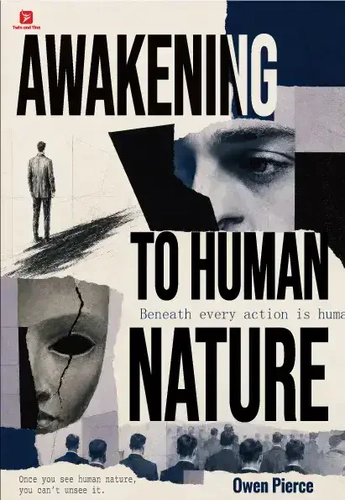
Understand why humans judge others
Pierce explains that judgment is rarely about the person being judged. It is about the person doing the judging.
People judge others to make sense of the world, to compare themselves to others, and to protect their own self-image. When you label someone “lazy” or “incompetent” or “difficult,” you are doing more than just describing them. You are positioning yourself in relation to them. You are creating a story that makes you feel more secure, more competent, or more right.
This is why people cling to their first judgments even when evidence contradicts them. Changing a judgment means admitting you were wrong. And for many people, admitting that feels worse than being unfair to someone else.
The book helps you see the hidden mechanisms behind judgment and why it is often more about the judge than the judged.
What you will learn:
- Why people judge others quickly and confidently
- How judgment protects self-image
- The hidden reasons behind snap opinions
- Why people resist changing their minds about others
Who should read this:
Anyone who has ever formed a strong opinion about someone based on limited information.
The Person and the Situation by Lee Ross and Richard Nisbett
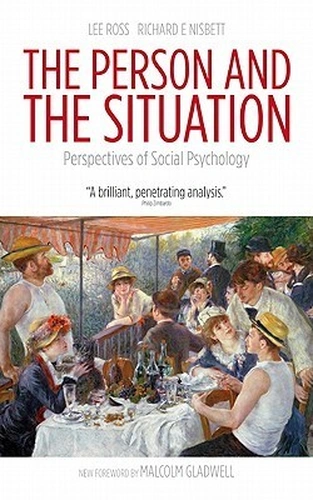
Why our judgments are often wrong
Ross and Nisbett explain one of the most common errors people make: we explain other people’s behavior by their personality while ignoring their situation.
A colleague arrives late to a meeting. First reaction: “They are irresponsible.” But what if their train was canceled? What if their child was sick? What if they had an emergency?
The book shows that people often overestimate personality and underestimate circumstances. This is called the Fundamental Attribution Error. It is why we assume a stranger who cuts us off in traffic is a bad driver, but when we do it ourselves, we have a good reason.
Understanding this error changes how you see people. You stop turning single moments into life sentences. You start asking, “What might be going on for this person that I cannot see?”
What you will learn:
- Why situations shape behavior more than people realize
- The fundamental attribution error and how it distorts judgment
- Why personality is not as stable as it seems
- How to stop blaming people for things beyond their control
Who should read this:
Anyone who has ever judged someone harshly and later found out they were wrong.
The Status Game by Will Storr
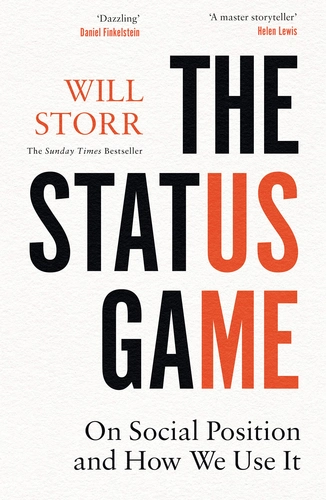
Why judgment is connected to comparison and status
Storr explains that humans are constantly navigating status. We pay attention to who is respected, who is admired, and who is considered valuable.
Many judgments are not neutral observations. They are social comparisons. When someone looks down on another person, they are often reinforcing their own place in the social hierarchy. Criticizing someone else’s choices can be a way of saying “I would never make that mistake.” Dismissing someone else’s success can be a way of saying “I am still ahead.”
This is why people often judge others most harshly in areas where they feel insecure about themselves. The judgment is not about the other person. It is about the judge trying to feel more secure in their own position.
The book helps you see the comparison and status dynamics behind everyday judgments. It changes how you interpret criticism from others and how you catch yourself doing the same.
What you will learn:
- Why status and comparison drive everyday judgment
- How criticism is often about the critic, not the criticized
- Why people judge harshly in areas where they feel insecure
- How to recognize social comparison disguised as objective opinion
Who should read this:
Anyone who has ever wondered why people seem to need to judge others.
What these books teach you together
The first book explains why humans judge others at all. It is about identity, comparison, and self-protection.
The second book shows why those judgments are often wrong. It is about the hidden power of situations and how people underestimate circumstances.
The third book reveals what drives judgment beneath the surface. It is about status, competition, and the need to feel secure in the social hierarchy.
Together, they help you become better at separating what you know from what you assume.
