You have probably met someone like this.
They make a joke at your expense. They minimize your achievements. They point out your flaws while ignoring their own.
The confusing part is not that they criticize you. It is that they often seem to need to do it. They appear to feel better after making someone else feel smaller.
Why?
Awakening to Human Nature by Owen Pierce
Understand why people put others down to protect themselves
Pierce explains that people often criticize others when something about that person threatens their own sense of identity, status, or competence.
A colleague downplays your success because your achievement reminds them of their own stagnation. A friend mocks your choices because your change forces them to confront their own lack of growth. A partner constantly points out your flaws because acknowledging your value would threaten their fragile self-image.
The criticism is rarely about you. It is about the person delivering it. They are not trying to hurt you. They are trying to protect themselves. Putting someone else down temporarily restores their sense of superiority and control.
Once you see this, you stop absorbing their words as truth. You recognize the behavior for what it is: a signal of their insecurity, not your worth.

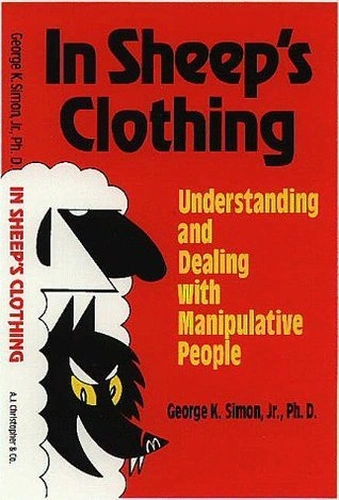
In Sheep’s Clothing by George K. Simon
Understand manipulative people who hide behind criticism
Some people do not criticize directly. They use covert aggression. A backhanded compliment. A “joke” that is not really a joke. A comment that makes you question your own perception.
Simon explains that manipulative people often use criticism as a tool of control. They blame shift. They gaslight. They make you feel like you are the problem.
“I was just being honest.” “You’re too sensitive.” “I’m only trying to help.”
These phrases are not about truth or kindness. They are about control. They are designed to make you doubt yourself while the other person maintains the upper hand.
This book helps you recognize covert criticism for what it is. It gives you a framework for seeing manipulation that hides behind “just being honest.”
The Velvet Rage by Alan Downs
Understand how shame and insecurity turn into criticism
Downs writes about how shame shapes behavior—particularly when people have learned to hide parts of who they are. He explores how deep feelings of “not being enough” can surface as criticism toward others.
When someone is carrying internal shame, they often cope by projecting it outward. They mock someone else’s effort because trying feels vulnerable. They belittle someone else’s appearance because it distracts from their own self-criticism. They dismiss someone else’s choices because it protects them from examining their own.
The goal is not to hurt. It is to escape the discomfort of their own shame. Criticizing others is a way to feel superior without confronting the feelings they would rather avoid.
This book helps you recognize when criticism is a projection of shame rather than a genuine evaluation. It also offers a perspective on how to respond without internalizing the attack.

Where this leaves you
The first book helps you see that most criticism is not about you. It is about the other person’s insecurity, status, or self-image.
The second book helps you recognize when criticism is being used as a tool of control. You learn to see manipulation hiding behind “honesty.”
The third book helps you understand how shame can drive people to put others down. You see the inner discomfort behind the outer judgment.
Together, they help you stop absorbing criticism as truth. You start seeing the person behind the words—and you stop letting their need to feel superior determine how you feel about yourself.
