You make a decision, and someone immediately tells you why it is wrong.
You choose a career, and they explain why you should choose something else.
You set a boundary, and somehow you end up feeling guilty.
At first, it might look like concern. They are just looking out for you. They want what is best. They have more experience.
But over time, a pattern emerges. Your choices are never quite right. Your preferences are never quite acceptable. Your boundaries are never quite reasonable. And you start to wonder: why do they need to control everything?
The answer is not simple cruelty. Most controlling behavior comes from something deeper: fear, insecurity, the need to reduce uncertainty, or the need to protect a fragile self-image.
The books below help you understand why some people try to control others, how these dynamics develop, and how to recognize them.
How to Read Someone’s Mind by Miles Carter
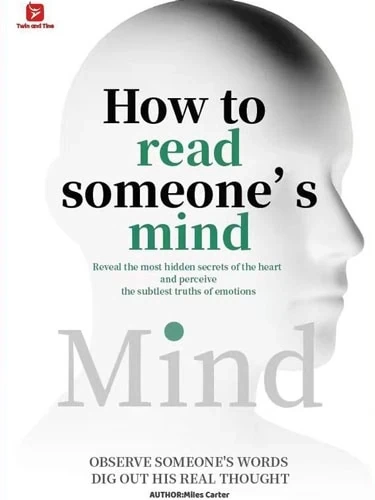
Recognize the patterns behind controlling behavior
Controlling people rarely announce themselves as controllers. They often appear helpful, caring, or experienced. The pattern reveals itself over time.
Carter teaches you to recognize the signals that someone is trying to control you before you are fully caught in the dynamic. He shows how to track consistency between what someone says and what they repeatedly do. A person who claims they want the best for you but punishes your independence is showing you something important. A person who frames their control as protection is giving you information about their intentions.
This book helps you stop second-guessing yourself. You learn to trust what you are noticing. You stop explaining away behavior that should not be explained away.
What you will learn:
- How to recognize when someone’s “help” is actually control
- Why patterns matter more than isolated incidents
- How to trust your own observations of someone’s behavior
- When to stop giving someone the benefit of the doubt
Who should read this:
Anyone who has ever felt like they were being controlled but could not explain why.
The Verbally Abusive Relationship by Patricia Evans
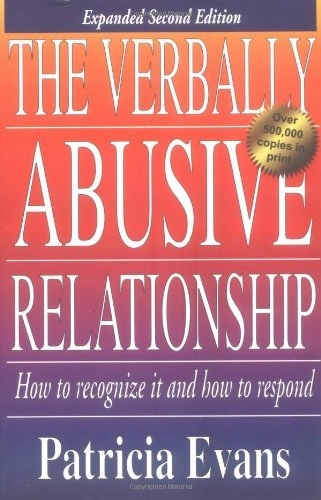
Recognize control in everyday interactions
Some control is obvious. Yelling. Threats. Overt demands. But much of it is subtle. It hides behind words that sound reasonable but are actually designed to undermine, dismiss, or confuse.
A partner says, “I’m just trying to help you make the right decision.” A friend says, “You’re too sensitive.” A colleague says, “You’re overthinking this.” At first, they sound supportive. But the underlying message is always the same: your judgment is unreliable. You need them to decide for you.
Evans explains how controlling people use language to maintain power without seeming controlling. She shows how to recognize these patterns and how to respond without getting drawn into the dynamic.
What you will learn:
- How controlling language hides behind helpful-sounding words
- Why some people use words to undermine your confidence
- How to respond to subtle control without escalating
- The difference between advice and control
Who should read this:
Anyone who has ever been told they are “too sensitive” when they knew something was wrong.
Stop Walking on Eggshells by Paul T. Mason and Randi Kreger
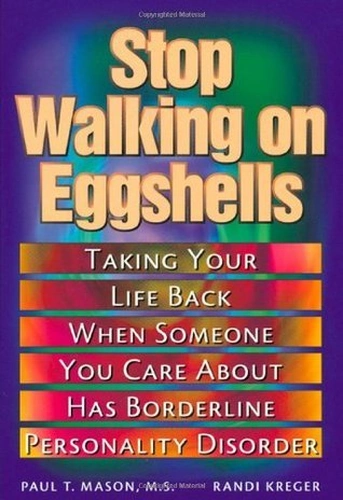
Understand how controlling behavior affects relationships
When you live or work with a controlling person, you may notice a shift in yourself. You become more careful. You watch what you say. You try to anticipate their reactions before they happen.
That is the effect of living in a relationship where control is the norm. Mason and Kreger explain the patterns that make people feel like they have to walk on eggshells: unpredictable reactions, blame-shifting, emotional volatility, and the sense that anything could trigger an outburst.
This book helps you understand the dynamic rather than labeling the person. It does not assume every controlling person has a personality disorder. It helps you recognize the impact of the behavior on your own well-being and gives you tools for protecting yourself.
What you will learn:
- Why living with a controlling person is emotionally exhausting
- How to recognize patterns of blame, deflection, and emotional volatility
- The difference between occasional difficult behavior and a controlling pattern
- Practical ways to protect your own well-being
Who should read this:
Anyone who has ever felt like they were walking on eggshells around someone else.
What these books teach you together
These three books move from recognizing the early signals of controlling behavior, to understanding how control hides in everyday language, to seeing the emotional toll of living under it.
The first book helps you see the patterns before you become attached. You stop explaining away behavior that is actually a warning.
The second book helps you recognize the subtle ways control hides in words. You stop being confused by language that sounds reasonable but feels wrong.
The third book helps you understand the emotional impact of control and protect your own sense of self.
Together, they help you stop absorbing controlling behavior as your fault. You start seeing it for what it is.
FAQ
Why do controlling people need control?
Control is often a way to manage internal anxiety. Controlling the outside world feels safer than facing the uncertainty inside.
Are controlling people insecure?
Not always, but often. Insecurity, fear of losing control, and a fragile self-image are common drivers of controlling behavior.
How do you know if someone is controlling?
Look for patterns. Do they regularly dismiss your choices? Do they make you feel guilty for setting boundaries? Do they need to have the final say? A single incident is not a pattern. Repeated behavior is information.
Can controlling behavior change?
Yes, but it requires awareness and willingness. People who never see their behavior as a problem are unlikely to change. People who recognize the pattern and want to change can, with time and effort.
