You have probably met someone who cannot simply be good at something. They need to be the best. They need recognition. They need everyone to know they are different.
It is not enough for them to succeed. They need to be seen succeeding. It is not enough to be liked. They need to be admired. The ordinary feels like failure. Being one of many feels like being invisible.
The confusing part is not that they want attention. Everyone wants some attention. It is that they seem to need it in a way that shapes almost everything they do.
Why?
The answer is not simple vanity. It is about something deeper: the human need for significance, uniqueness, and recognition. Most people want to feel that they matter. For some, that need becomes the central force in their lives.
Awakening to Human Nature by Owen Pierce
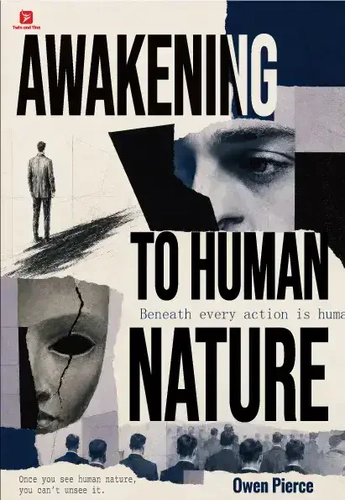
Understand why humans need to feel significant
Pierce explains that people are not only motivated by external rewards like money or success. They are also driven by the need to see themselves as valuable, capable, and different.
Many behaviors that look like confidence are actually attempts to protect self-image. A person who constantly talks about their achievements may not be secure. They may be trying to convince themselves of their worth. Someone who refuses to admit failure may not be stubborn. They may be terrified of what failure says about them.
People want to feel that they are not just another face in the crowd. They want to feel that their existence matters. This is not always about vanity. Often, it comes from a deeper need to feel valuable, recognized, and secure. Understanding this changes how you see people who seem obsessed with being special.
What You Will Learn:
- Why people protect their self-image even when it means distorting reality
- How identity and ego shape everyday decisions
- The difference between healthy self-esteem and the desperate need to be exceptional
The Status Game by Will Storr
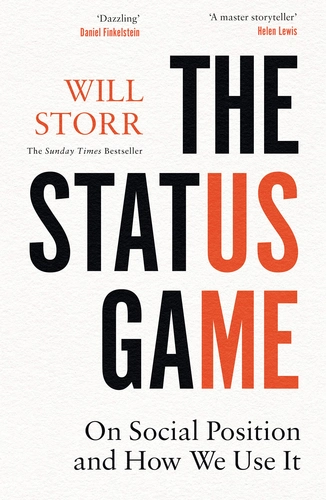
Understand why people chase recognition and status
Storr argues that humans are wired to seek status. Status is not just about wealth or power. It is about respect, recognition, and the feeling of being valued by others.
A person who constantly compares themselves to others is not just insecure. They are responding to a deep instinct that has shaped human behavior for thousands of years. Throughout history, status affected who people listened to, trusted, and followed.
This is why people care about prestige. Why they post carefully curated versions of their lives. Why they chase promotions, titles, and validation. It is not superficial. It is a fundamental part of how humans navigate social life.
The book helps you understand the status dynamics behind behavior that seems competitive or attention-seeking. It reframes the need to feel special as something deeply human rather than simply egotistical.
What You Will Learn:
- Why humans are wired to care about status and recognition
- How comparison drives behavior more than most people realize
- How to recognize status-seeking in yourself and others
The Narcissism Epidemic by Jean Twenge and W. Keith Campbell
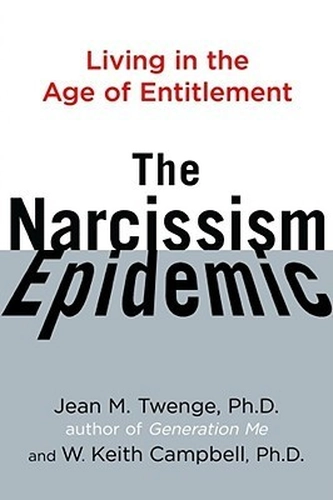
Understand when the need to feel special becomes unhealthy
Not everyone who wants to feel special is a narcissist. Healthy self-esteem is about knowing your worth. Unhealthy narcissism is about needing constant admiration and feeling superior to others.
Twenge and Campbell explore the cultural shift toward increasing narcissism. They show how social media, parenting, and cultural messages have amplified the need to feel unique and exceptional. When the need for specialness becomes the primary driver of behavior, it can damage relationships, create entitlement, and make genuine connection difficult.
Narcissism is not just about loving yourself too much. It is about needing constant admiration and losing the ability to see others clearly. This book helps you recognize when the need to feel special has become unhealthy and how to respond to it.
What You Will Learn:
- The difference between healthy self-esteem and narcissistic entitlement
- How culture and technology amplify the need for recognition
- How to recognize and respond to narcissistic behavior
How these books work together
These three books move from understanding the normal human need for significance, to seeing how that need plays out in status-seeking behavior, to recognizing when the need becomes extreme.
Pierce shows why people want to feel special in the first place. Storr explains the social and evolutionary drivers behind status and recognition. Twenge and Campbell show where that drive can go when it becomes unbalanced.
Together, they help you understand the difference between healthy self-esteem and the desperate need to be exceptional.
