You open your banking app and feel a familiar knot in your stomach. You are not sure how it happened again. Nothing major. Just small purchases. Amazon orders you forgot about. DoorDash after a long day. A few “small treats” that felt deserved at the time.
You know you should save more. You know you should spend less. But knowing does not change the behavior.
The problem is rarely about math. Most people who struggle with emotional spending know how to budget. They are not bad at numbers. They are stuck in patterns driven by something deeper: beliefs about money, emotional triggers, and habits that formed long before they noticed them.
These books do not just teach you how to spend less. They help you understand why spending feels so difficult to control in the first place.
From Debt to Wealth by Owen Pierce
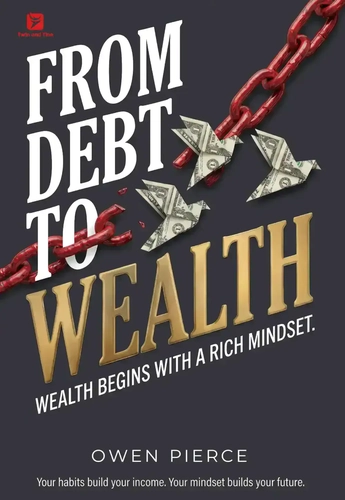
Understand the beliefs behind your spending habits
Many people assume they spend too much because they lack a budget or self-control. Pierce argues that the issue is deeper.
Spending habits are often driven by money beliefs that operate below awareness. The belief that spending proves success. The belief that a higher income will solve everything. The belief that keeping up with others is necessary. The belief that lifestyle is the same as wealth.
Sometimes a purchase is not really about the product. It is about the feeling attached to it. A person who buys luxury goods may be seeking status or validation. Someone who upgrades their lifestyle after a raise may be trying to avoid the fear of falling behind.
This book helps you see the beliefs behind your spending. It does not tell you to stop buying things. It helps you understand what you are really trying to buy.
What you will learn:
- Why earning more does not always fix spending habits
- How beliefs about success drive consumption
- The difference between lifestyle and wealth
- How to change the thinking that leads to spending
Who should read this:
Anyone who has ever made a purchase and later wondered why they bought it.
The Art of Money by Bari Tessler
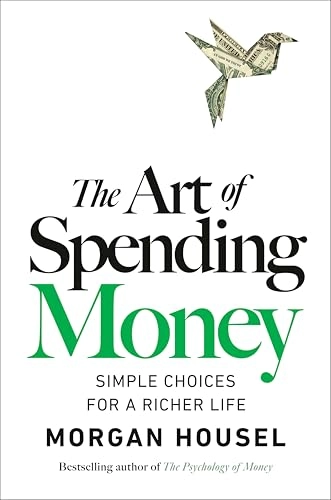
Understand the emotions attached to money
Many people have an uncomfortable relationship with money. They avoid looking at their accounts. They feel guilty after spending. They feel anxious when they think about the future. They use shopping to manage stress.
Tessler, a financial therapist, focuses on the emotional side of money. She helps readers develop a healthier relationship with their finances—not through shame or restriction, but through awareness. Her approach encourages people to understand their money patterns, identify emotional triggers, and create space between the feeling and the purchase.
This book does not give you a rigid budget. It helps you understand why money triggers certain emotions, and how to respond to those feelings differently.
What you will learn:
- Why money triggers shame, anxiety, and guilt
- How to build a healthier emotional relationship with money
- How to stop avoiding your finances
- How to separate financial decisions from emotional impulses
Who should read this:
Anyone who has ever felt anxious or guilty about money.
Spent by Sally Palaian
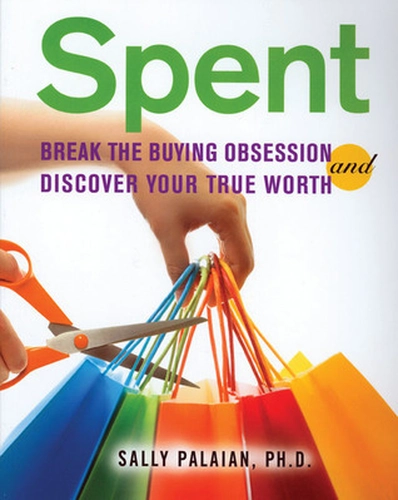
Understand the psychology behind compulsive spending
People do not buy things only because they need them. They buy things because they are stressed, lonely, bored, or overwhelmed.
Palaian, a psychologist who specializes in compulsive spending, wrote this book for people who have tried every budgeting system and failed. Her approach is different. She does not start with money. She starts with emotions.
She explains that spending is often a coping mechanism. It helps people manage stress, avoid uncomfortable feelings, or feel a sense of control when everything else feels chaotic. The problem is not the spending itself—it is what the spending is trying to fix.
This book helps you understand what you are really trying to buy. Is it relief from anxiety? A feeling of worth? A temporary escape? Once you see the underlying need, you can start addressing it directly instead of through your credit card.
What you will learn:
- How to identify emotional triggers for spending
- Why shopping is often about changing your mood
- How to pause between the urge and the purchase
- Practical strategies for breaking the cycle
Who should read this:
Anyone who has ever bought something to feel better, and later regretted it.
How these books work together
These three books approach emotional spending from different angles.
The first book helps you understand the money beliefs that drive your spending habits. You see why you spend the way you do.
The second book helps you understand the emotions attached to money. You see how shame, anxiety, and avoidance shape your financial decisions.
The third book helps you recognize the psychological patterns behind compulsive spending. You learn to pause before you buy.
Together, they help you stop asking “why do I keep spending?” and start understanding what is really driving the behavior.
FAQ
What is emotional spending?
Emotional spending is using shopping to regulate your mood. You buy something not because you need it, but because you are stressed, anxious, bored, or seeking relief.
Why do I spend money when I feel stressed?
Spending can provide a temporary sense of relief or control. The problem is that the relief is brief and often followed by guilt or anxiety.
How do I stop emotional spending?
Start by understanding what triggers the urge to spend. Then create a pause between the impulse and the purchase. Books like these help you see the pattern before you act on it.
Can someone with a good income still struggle with emotional spending?
Yes. Emotional spending is not about income level. It is about patterns, beliefs, and how you respond to emotions.
