I used to think debt was just a money problem.
If I earned more, I would finally catch up. If I made a better budget, I would stop struggling. If I just tried harder, my finances would fix themselves.
But debt is rarely just about numbers. It is about habits, beliefs, and systems.
These books helped me understand why I got stuck, how to get out, and what to do after becoming debt-free.
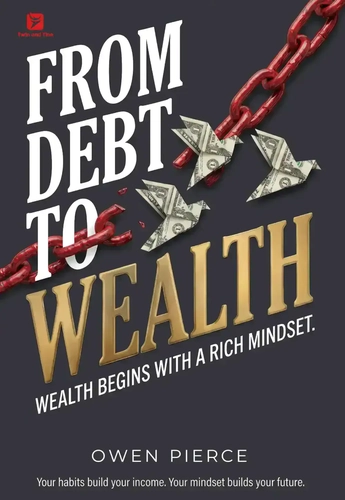
From Debt to Wealth by Owen Pierce
Change how you think about money
Before I could pay off debt, I had to understand why I kept making the same financial decisions.
Pierce explains that most people are not bad with money. They are running on beliefs about money they never examined. The belief that a higher paycheck will fix everything. The belief that spending equals success. The belief that financial security is something that just happens later.
He challenges the assumption that earning more is the answer, showing why raises often disappear into lifestyle inflation. The problem is not your income. It is the system you are running.
This book helped me see that debt was not my real problem. It was a symptom of how I thought about money.
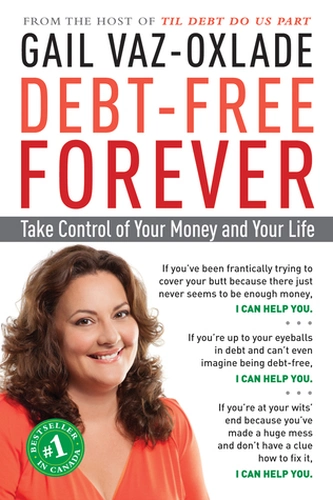
Debt Free Forever by Gail Vaz-Oxlade
Create a realistic plan to eliminate debt
Many people in debt have the same problem: they are overwhelmed. They owe money to different places, they are not sure which to pay first, and they do not have a plan.
Vaz-Oxlade specializes in helping people face their numbers without shame or judgment. Her approach is straightforward: know what you owe, make a plan, and stick to it. She breaks down the steps without making you feel like a failure for being in debt.
This book does not offer quick fixes. It offers a structure. And for anyone drowning in payments and minimum balances, structure is the first thing you need.
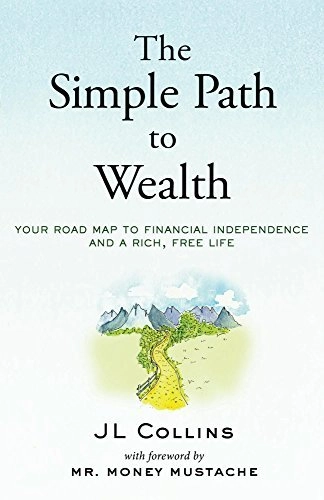
The Simple Path to Wealth by JL Collins
From debt to wealth
Getting out of debt is only the first step. The next challenge is learning what to do with money once you finally have control of it.
Collins wrote this book for his daughter, but it became something much larger. He explains investing and wealth building in a way that is clear, direct, and without financial jargon. The core principle is simple: spend less than you earn, invest the difference, and let time do the work.
For anyone who has just climbed out of debt, this book shows you what comes next. It helps you stop thinking about money as something you owe and start thinking about it as something you build.
What these books taught me
The first book helped me understand why I was stuck. I realized I had been trying to solve a mindset problem with a money solution.
The second book gave me a system. Once I understood the habits behind my debt, I had a way to actually fix it.
The third book showed me what to do after. I stopped thinking about debt as my default state and started thinking about wealth as something I could create.
Debt is not a life sentence. It is a pattern. And patterns can be changed.
FAQ
What is the first step to getting out of debt?
Stop avoiding your numbers. Write down what you owe, to whom, and at what interest rate. You cannot fix what you are afraid to look at.
Should I save money while paying off debt?
Yes, but prioritize high-interest debt first. Build a small emergency fund, then focus on eliminating the most expensive debt.
Is it possible to get out of debt without increasing income?
Yes. Many people escape debt by changing their spending habits and creating a structured repayment plan. It is possible, though a higher income can speed up the process.
What is the most common mistake people make when trying to get out of debt?
Trying to do it without a system. Motivation fades. Without a clear plan and structure, most people fall back into old habits.
