A friend gets the promotion you wanted. A colleague announces a book deal. Someone from college posts another vacation photo. And something twists in your chest. Not hatred. Not exactly. Something closer to grief. The quiet thought: why them and not me?
Envy is one of the most universal emotions and one of the least discussed. People feel ashamed of it. They hide it, deny it, or let it curdle into resentment. And the advice they get, “just focus on yourself,” never addresses the part that actually hurts.
The five books below approach peer envy from different angles. One explains where it comes from. The others show you what to do with it.
Book 1: David and Goliath by Malcolm Gladwell
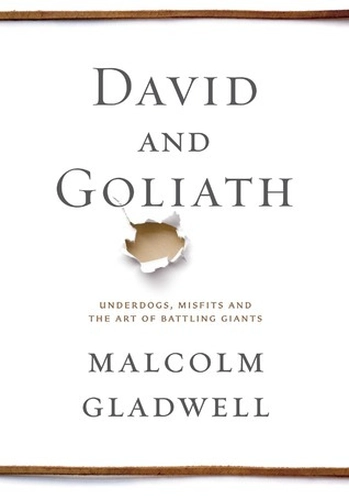
The people you envy are often playing a game you don’t want to win.
Gladwell, a bestselling author, explores what happens when the strong appear weak and the weak appear strong. He argues that advantages can become disadvantages, and disadvantages can become advantages. The person who seems ahead may be trapped in a game that looks appealing from the outside and feels miserable from the inside.
You’ll learn why smaller classes don’t produce better outcomes. Why attending an elite school can hurt some students. Why the qualities that look like success from a distance often come with costs no one talks about. The book reframes what you’re actually envying. Once you see the full picture, the comparison loses some of its sting.
Book 2: Awakening to Human Nature by Owen Pierce
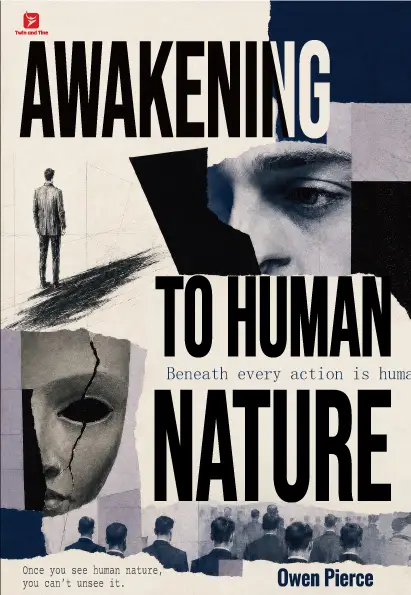
Envy isn’t about wanting what someone has. It’s about fearing what their success says about you.
This book explains why comparison feels so personal. Why someone else’s promotion can feel like your failure. Why a friend’s happiness can trigger something dark and unexpected. The answer is self-image. Their success threatens the story you tell yourself about your own worth.
You’ll learn why a beggar never envies a millionaire, only a richer beggar. Why people compare themselves upward instead of downward. Why the closer someone is to you, the sharper the envy becomes. These aren’t character flaws. They’re patterns wired into human nature.
The book also turns the lens inward. The people you’ve quietly resented. The successes you’ve minimized to protect your own ego. The comparisons you make without noticing you’re making them. Once you see the pattern, envy loses some of its grip. It becomes something you observe rather than something that controls you.
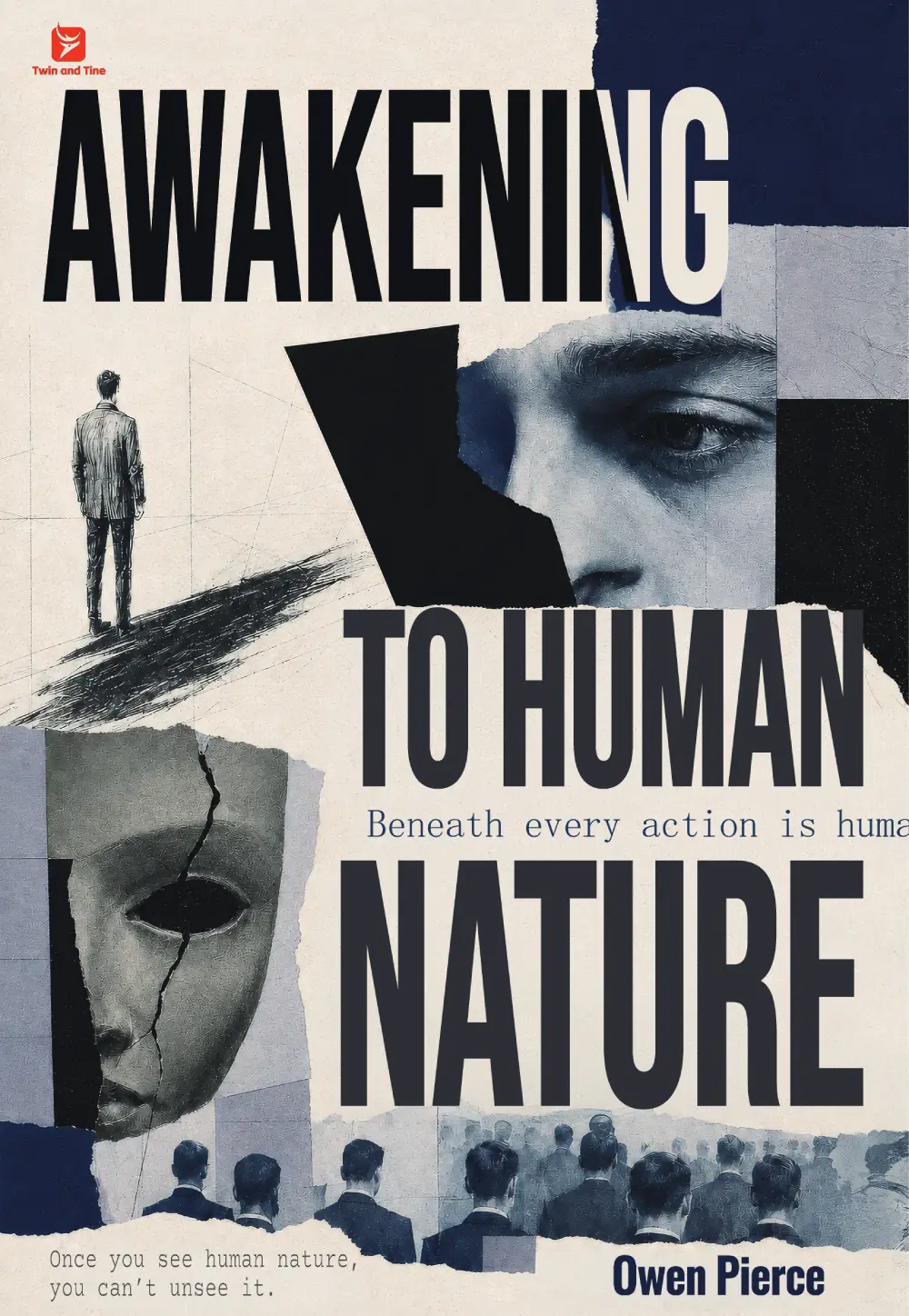
Awakening to Human Nature
Owen PierceYou saw the signs. You just didn’t know what they meant yet.
Learn how to notice the patterns behind people’s words, choices, loyalty, pressure, and changing behavior.
Book 3: Ego Is the Enemy by Ryan Holiday
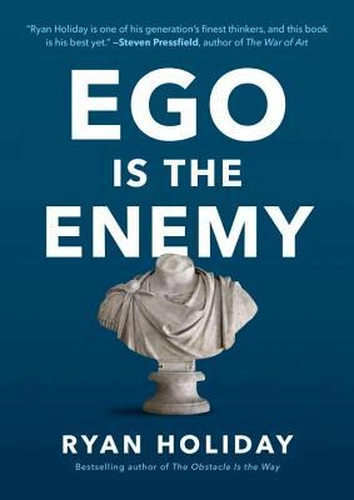
The need to be seen as successful often prevents actual success.
Holiday, a bestselling author, argues that ego is the enemy of achievement. The constant need for recognition, for status, for being ahead of everyone else, gets in the way of doing the work that matters. The people who seem to race ahead often crash later. The ones who move quietly and consistently end up further than anyone expected.
You’ll learn why comparison is a distraction from your own path. Why the pursuit of external validation leaves you empty. Why the most accomplished people often talk the least about their accomplishments. The book is full of historical examples that make the pattern impossible to forget.
Book 4: The Mountain Is You by Brianna Wiest
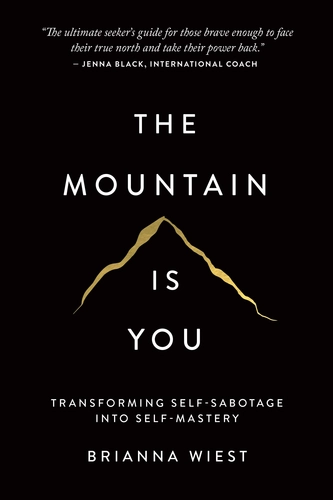
Envy is often a signal. It tells you what you actually want.
Wiest, a bestselling author, argues that self-sabotage and comparison are often messages from the parts of yourself you’ve been ignoring. When you envy someone, it’s not because you hate them. It’s because they have something you want and haven’t admitted to yourself.
You’ll learn how to decode what your envy is telling you. How to stop judging yourself for feeling it. How to turn it from a source of pain into a source of direction. The book is practical and compassionate, and it helps you see comparison as information rather than a verdict.
Book 5: Four Thousand Weeks by Oliver Burkeman
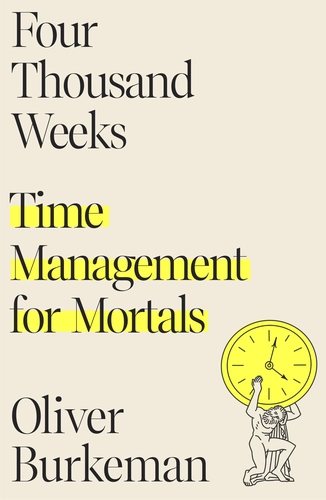
The average human life is roughly four thousand weeks. You don’t have time to waste it on someone else’s scoreboard.
Burkeman, a bestselling author, takes a different angle. He argues that the problem isn’t that you’re behind. The problem is that you believe there’s a finish line. There isn’t. There’s only time, and how you choose to spend it.
You’ll learn why productivity advice often makes things worse. Why the pressure to optimize every hour is a trap. Why accepting your limits is the only way to live a meaningful life. The book is philosophical but grounded, and it offers a kind of freedom that status chasing never delivers.
That twist in your chest when someone else succeeds. It’s not going away because you feel guilty about it. It’s not going away because you tell yourself to be happy for them. It’s going away when you understand what it’s actually about.
The other books help you reframe the comparison, quiet the ego, or decode the signal. Awakening to Human Nature does something different. It shows you the machinery underneath the feeling, the self-image you’re protecting, and the worth you’ve been measuring against someone else’s ruler. Once you see that, envy stops being a verdict and starts being a clue.
The feeling will visit again. But it doesn’t have to stay.
If you found this helpful, these books go deeper into the same themes.




Break the Anxiety Circle
$19.90

From Debt to Wealth
$19.90

