You talk to people every day. But how much are you actually noticing?
Someone says they are fine, but their jaw is tight. A coworker agrees with you in the meeting, but their arms are crossed. A friend smiles, but the smile does not reach their eyes. You sense something is off. You just cannot explain why.
Most of us miss these signals. We focus on words. We take people at face value. Then we get surprised when someone shows their true colors. We wonder how we did not see it coming.
The truth is, people tell us who they are all the time. Not in words. In tone. In posture. In the small things they do when they think no one is watching.
Quick answer: How do I understand what people are really thinking and feeling?
Stop only listening to words, start watching body language and tone, look for patterns over time, and trust your gut when something feels off.
Here are three books about understanding people. One teaches you to read body language and hidden intentions in real time. One shows you what actually makes relationships thrive based on the longest study of happiness ever done. One explores why people believe what they believe.
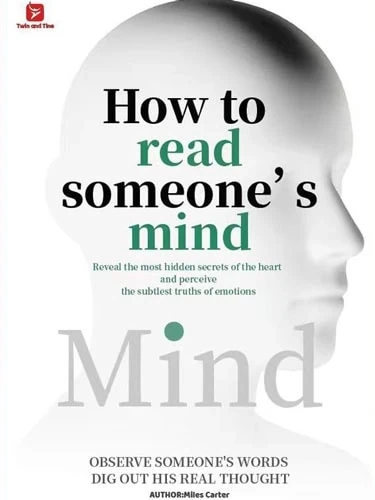
How to Read Someone’s Mind
Practical tools for reading body language, tone, and hidden intentions in real time.
This book by Miles Carter is a practical guide to reading people. Not in a mystical way. In a real way. Through nonverbal cues you can actually see.
What you will learn:
- How to read facial expressions, eye contact, gestures, and posture
- The psychological codes behind small details like eyebrows, sitting posture, and hand gestures
- How to recognize physical reactions to anger, jealousy, and anxiety
- Behavioral patterns of different personality types, from gossipers to dominant personalities
- How to identify hidden intentions and character traits in daily interactions
What makes this book useful is the concrete examples. Carter does not just tell you that crossed arms mean defensiveness. He shows you how to read the whole picture. Context matters. Patterns matter. One signal alone means nothing.
Whether you are in a daily conversation, a workplace meeting, or a romantic relationship, this book gives you tools to sharpen your people-reading skills and build stronger connections.
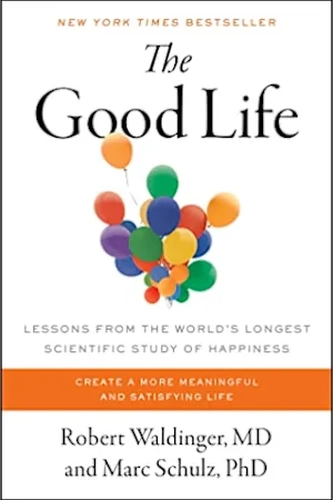
The Good Life
What the longest study of happiness reveals about relationships.
Robert Waldinger and Marc Schulz wrote this book based on the Harvard Study of Adult Development. It is the longest study of happiness ever undertaken. The results are clear. Social connections are what make people happy and healthy, above all other factors.
What you will learn:
- Why relationships matter more than money, fame, or success
- How to build stronger bonds with family, friends, and casual acquaintances
- What the data says about loneliness and health
- How small interactions can have a big impact on your well-being
- Practical ways to foster social connections in your own life
The book combines hard data with real stories. It shows you how relationships shape every part of your life. Not just your mood. Your health. Your longevity. Your overall happiness.
For anyone who wants to understand why people need people.
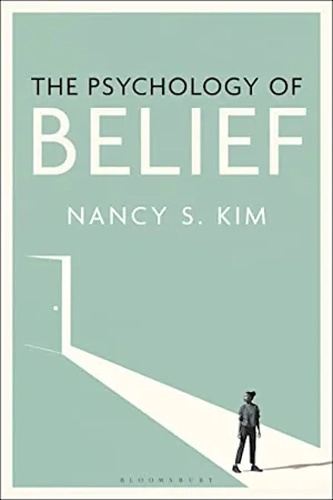
The Psychology of Belief
Why we believe what we believe.
Nancy S. Kim wrote this book to explore a question that divides families, friendships, and entire nations. Why do people believe what they believe?
What you will learn:
- How beliefs are formed through cognitive, emotional, and social factors
- Why people cling to beliefs even when faced with contradicting evidence
- The role of identity in shaping what we accept as true
- How group dynamics influence individual beliefs
- Why understanding belief formation helps you understand people better
In a world where people are often polarized, this book offers something rare. Not judgment. Explanation. It shows you that belief is not a simple process. It comes from a complex mix of influences. After reading it, you may even question the roots of your own beliefs.
For anyone who wants to understand why people think the way they do.
Which Book Should You Read First?
If you want to read body language and nonverbal cues, start with How to Read Someone’s Mind. It gives you the most direct tools for real-time observation.
If you want to understand what makes relationships thrive, pick up The Good Life. It shows you why connection matters more than anything else.
If you want to understand why people believe what they believe, go with The Psychology of Belief. It explains the roots of human conviction.
Many people read all three. Each one offers something the others do not.
Final Thought
Understanding people is not about becoming a mind reader. It is about paying attention. To what people say. To what they do not say. To the small signals they send without realizing it.
You will still get surprised sometimes. People are complicated. But you will be surprised less often. And when you do get surprised, you will understand why.
Start with one book. Try one technique. See what happens.
Frequently Asked Questions
Can you really learn to read people?
Yes. It is a skill, not a talent. With practice, anyone can get better at noticing nonverbal cues and behavioral patterns.
Is this about manipulation?
No. It is about understanding. When you understand what people are really feeling and thinking, you can respond better. You can build stronger connections. You can avoid people who are not good for you.
Which book is best for workplace situations?
How to Read Someone’s Mind has specific sections on workplace interactions. The Good Life helps you understand the value of work relationships.
How long does it take to get better at this?
Some people notice a difference after one chapter. Others take weeks of practice. The key is to pay attention and use what you learn.

